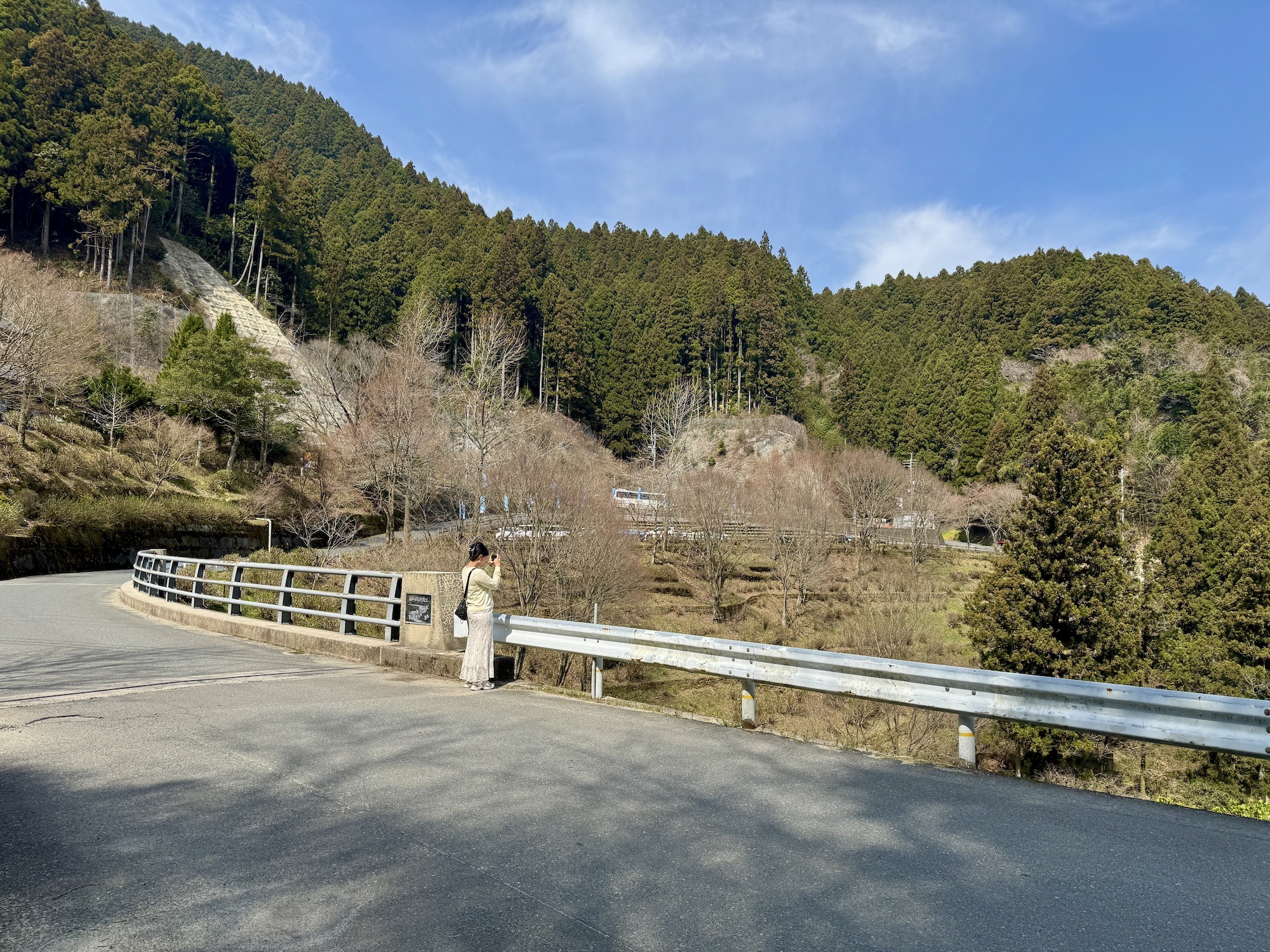

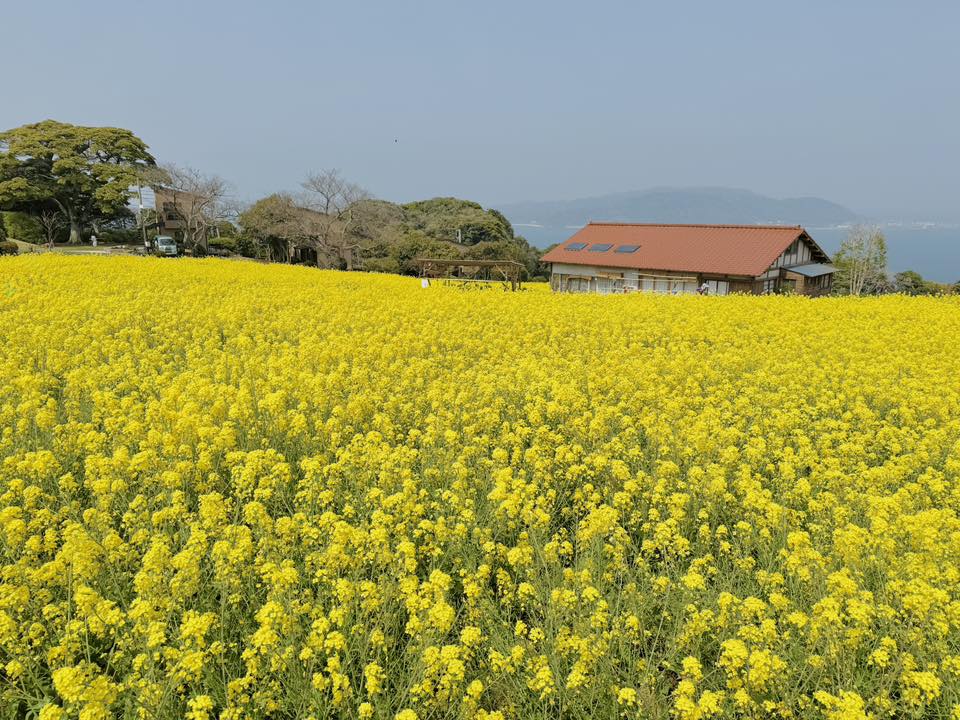
Good thing there’s a direct flight from Manila to this beautiful and unassuming destination in the Kyushu region that feels incredibly underrated. While Fukuoka may not have landmarks like the Shibuya Scramble, which I personally don’t mind missing, and it doesn’t boast large theme parks, what it does offer is something I value more: easy access to nature. Parks, flower fields, and scenic waterfronts are all just minutes away, giving the city a quiet charm that’s hard to resist.
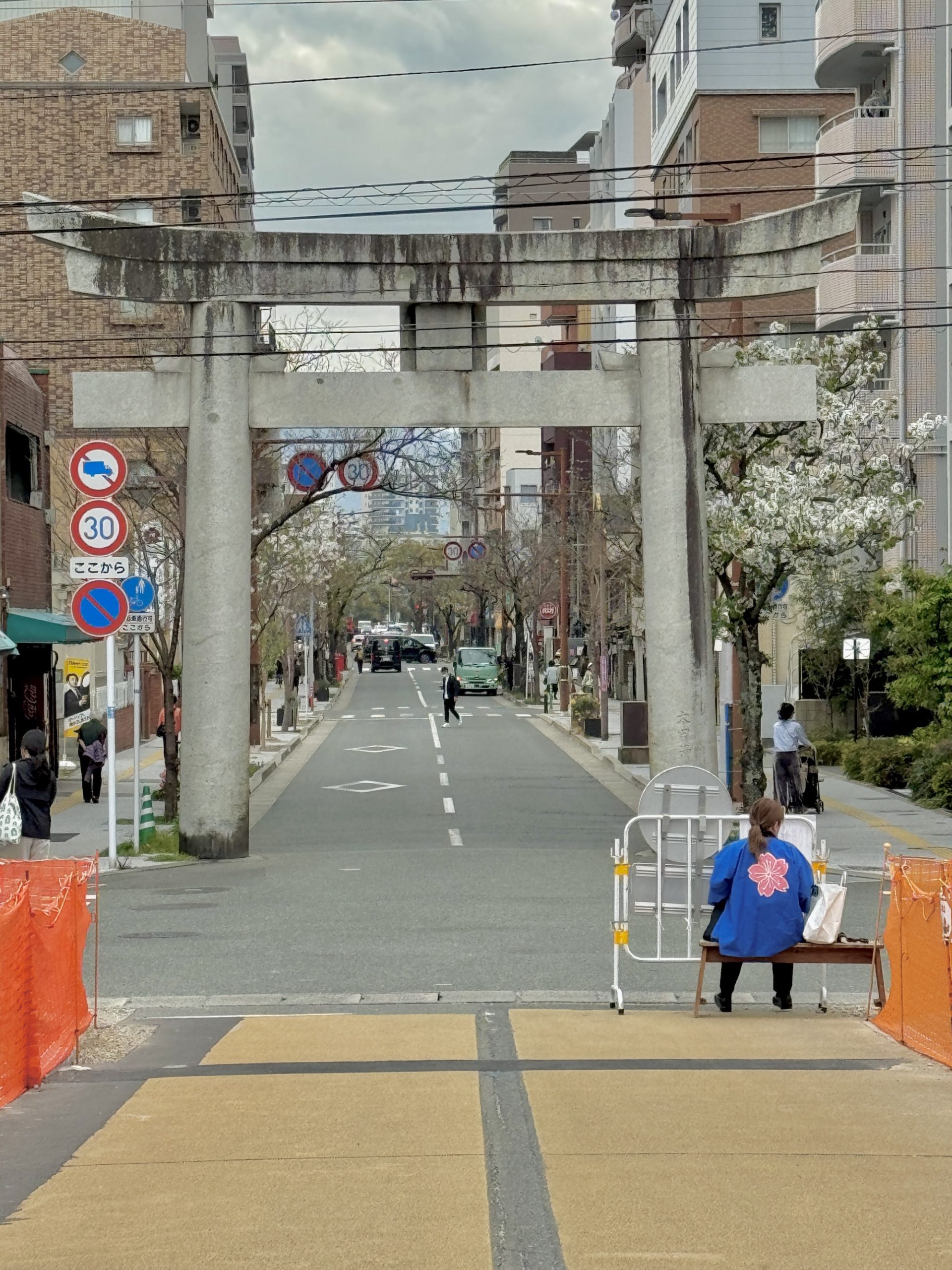
In fact, it’s so charming that I almost want to gatekeep it. But at the same time, it’s worth encouraging travelers to explore beyond the usual “Big Three” or the so-called Golden Route (Tokyo, Osaka, and Kyoto). Let those places breathe for a bit and give other destinations a chance. There is so much beauty in the less touristy spots and the countryside that deserves to be discovered.
If you’re craving Japan, especially during the flower season, but want to avoid busy train stations and crowded streets, charming Fukuoka might just be for you. I would personally vouch for it.
This itinerary is based on our own relaxed and chill trip, so feel free to adjust it depending on your travel style, pace, and interests.
Ready to discover what Fukuoka has to offer, especially during the spring? READ ON!
***
Planning a trip to other parts of Japan as well? Be sure to check out my Tokyo , Osaka, Kyoto, and Nikko Travel Guides.
P.S. You may also want to READ A Step by Step Guide in Applying for a Japan Tourist Visa for Filipinos.
GETTING TO FUKUOKA, JAPAN
THINGS YOU NEED TO KNOW
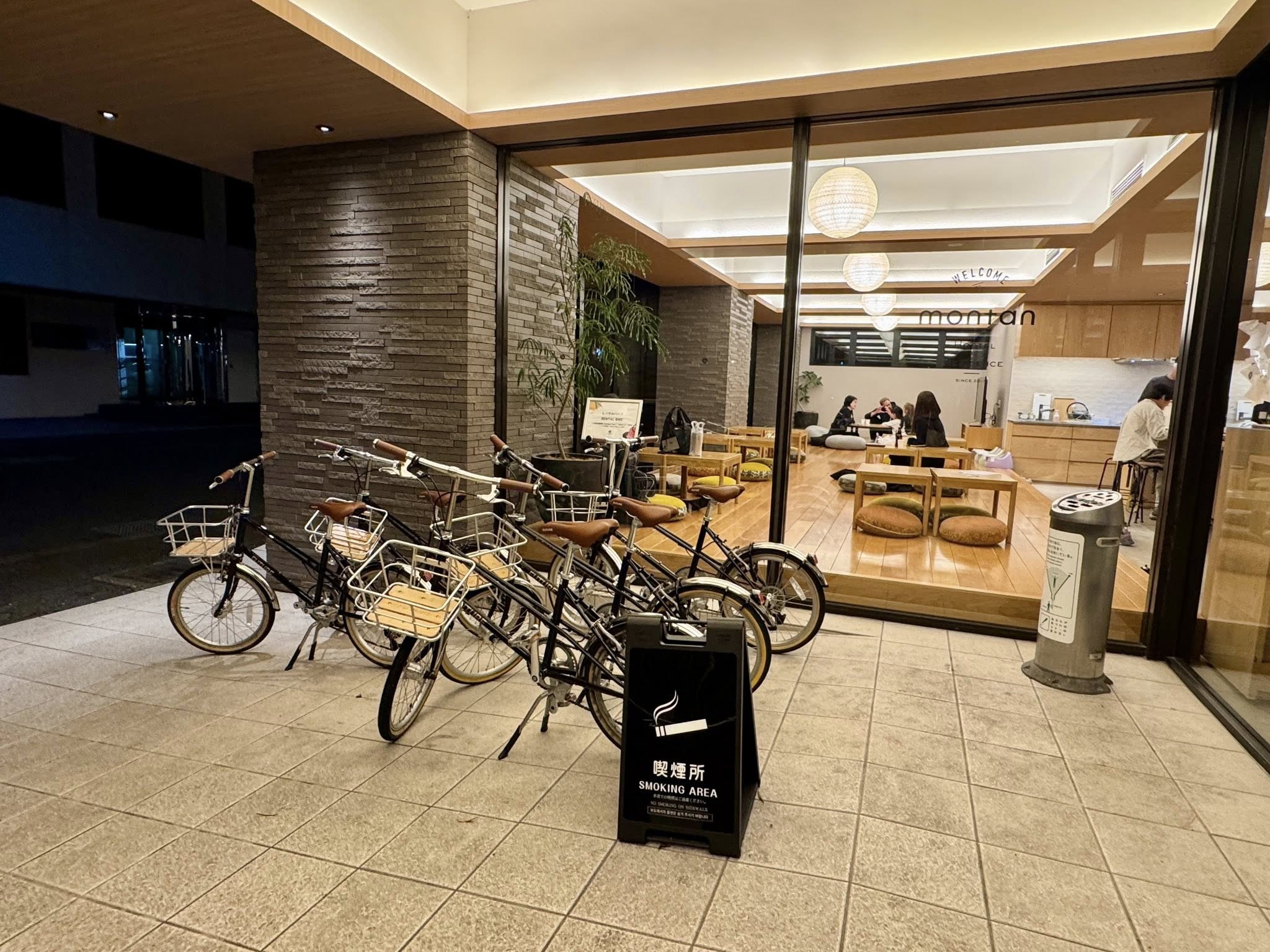
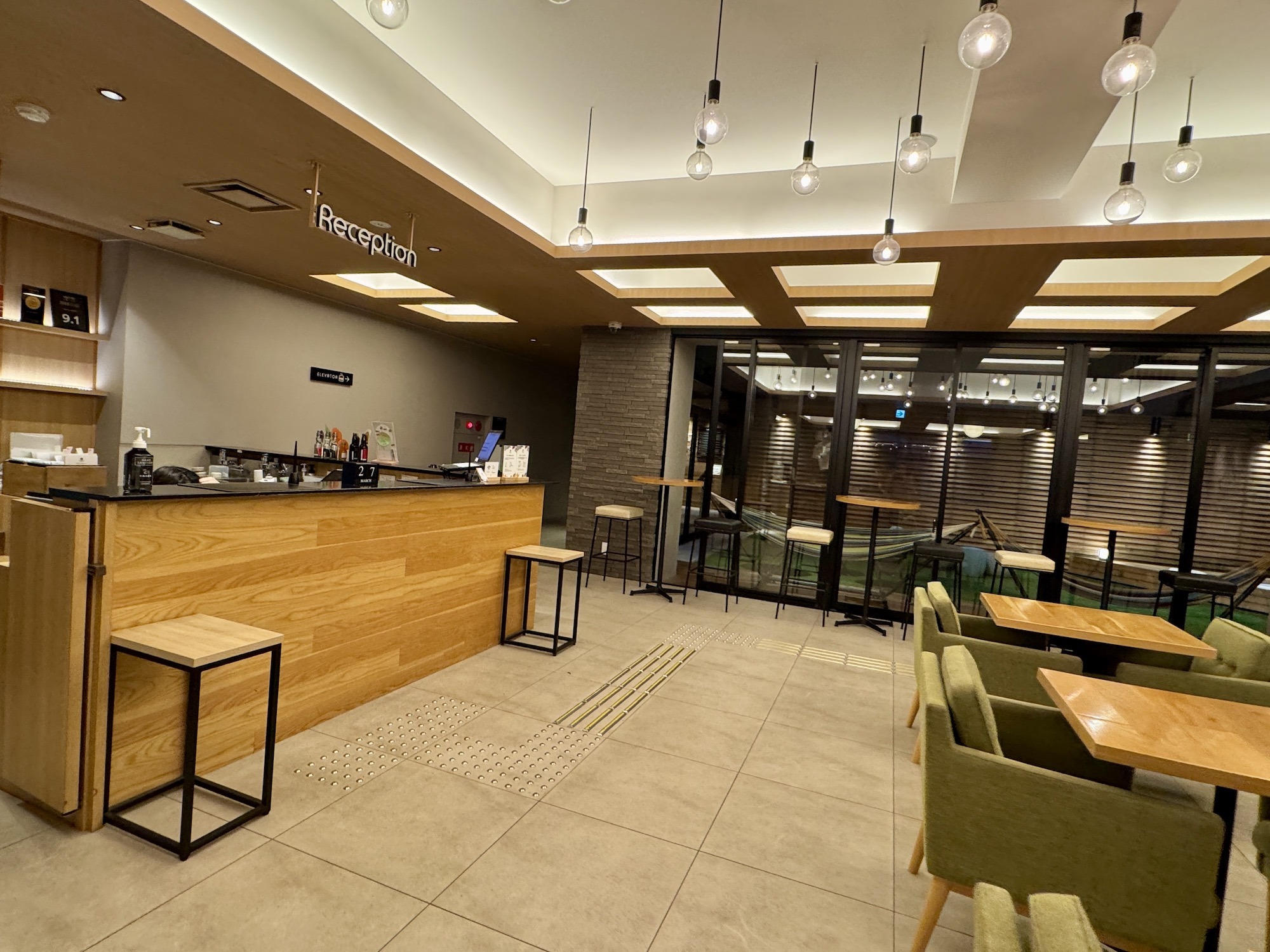
Accommodation: There are two popular areas where travelers or tourists usually stay when in Fukuoka. Stay in Hakata if you want to be near Hakata Station and the airport. Stay in Tenjin area if you love to go shopping. Either way, they are just 3 train stations away.
I personally prefer to stay in Hakata so we can just take an Uber Taxi to and fro the airport. It costs less than Y1,500 only so it’s already practical if you are carrying lots of bags.
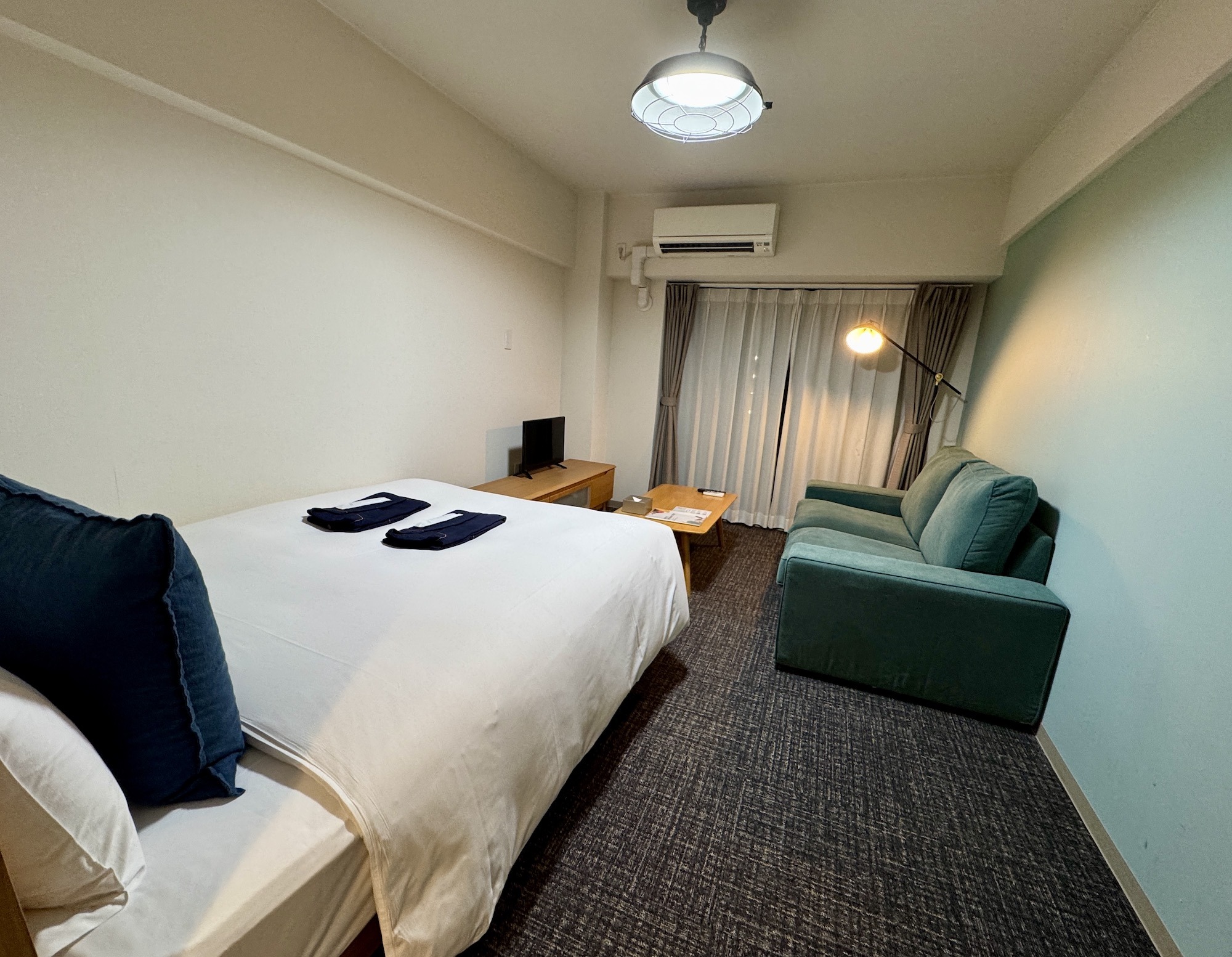
SUGGESTED ACCOMMODATIONS:
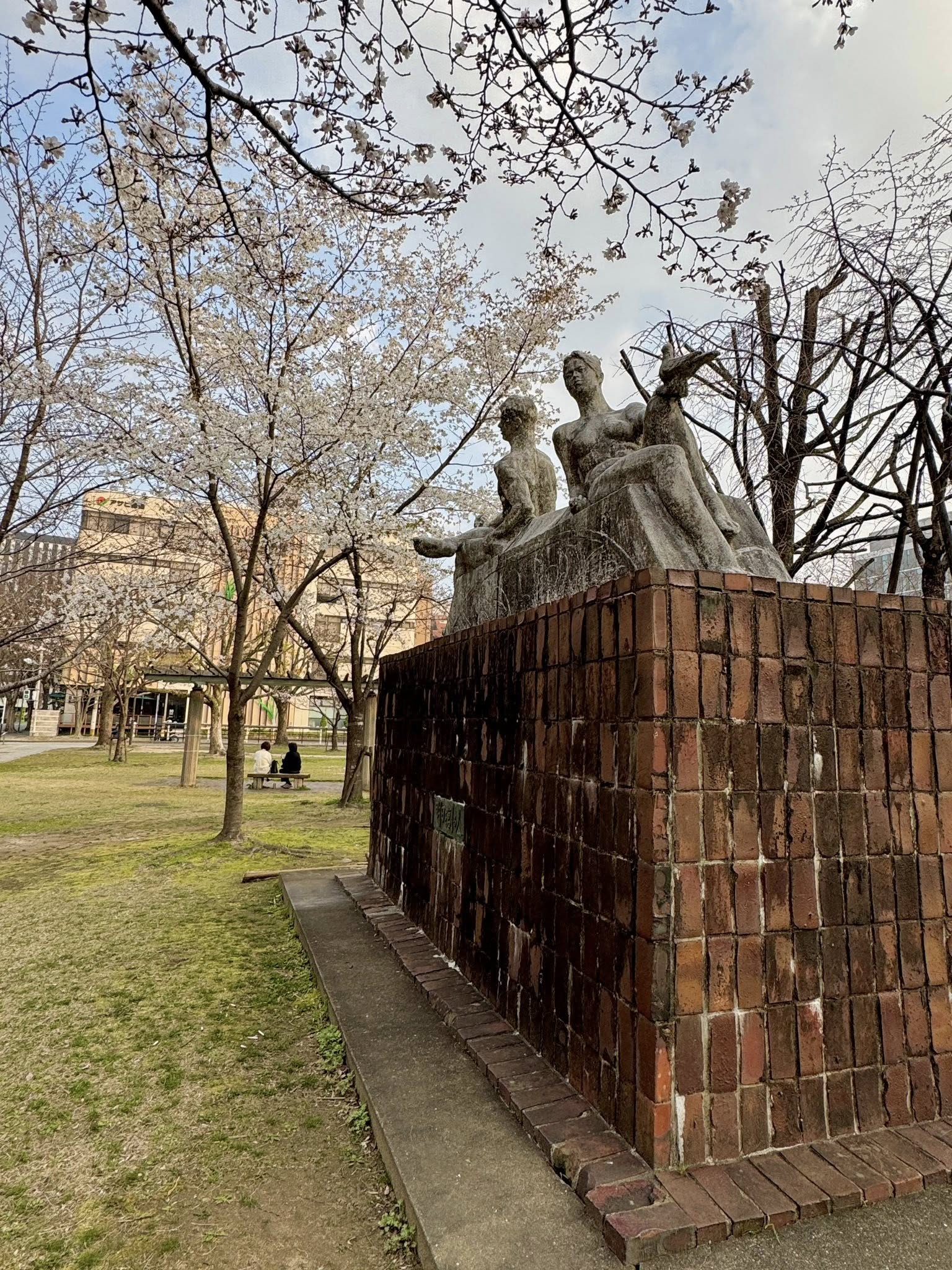
Food. What’s the first thing that comes to mind when you think of Japan? Ramen—and Fukuoka happens to be the birthplace of tonkotsu ramen, a style known for its rich and flavorful pork-bone broth.
Fukuoka is also where the famous Ichiran ramen originated, making it a must-visit for ramen lovers. Although when you do some research some of the most popular ramen places in Fukuoka is not really Ichiran but Shinshin Ramen and Hakata Issou. Both have great reviews but we personally went with the latter as it’s just a 5 minute walk from our hostel. Aside from tonkotsu, the city is known for mentaiko, or spicy marinated cod roe. We personally skipped it since it’s not really our thing, but it’s definitely something worth trying if you’re curious.
If you want to explore more local flavors, make sure to visit the yatai stalls in the evening near the Naka River. It’s one of the best ways to experience Fukuoka’s food scene in a casual and authentic setting.
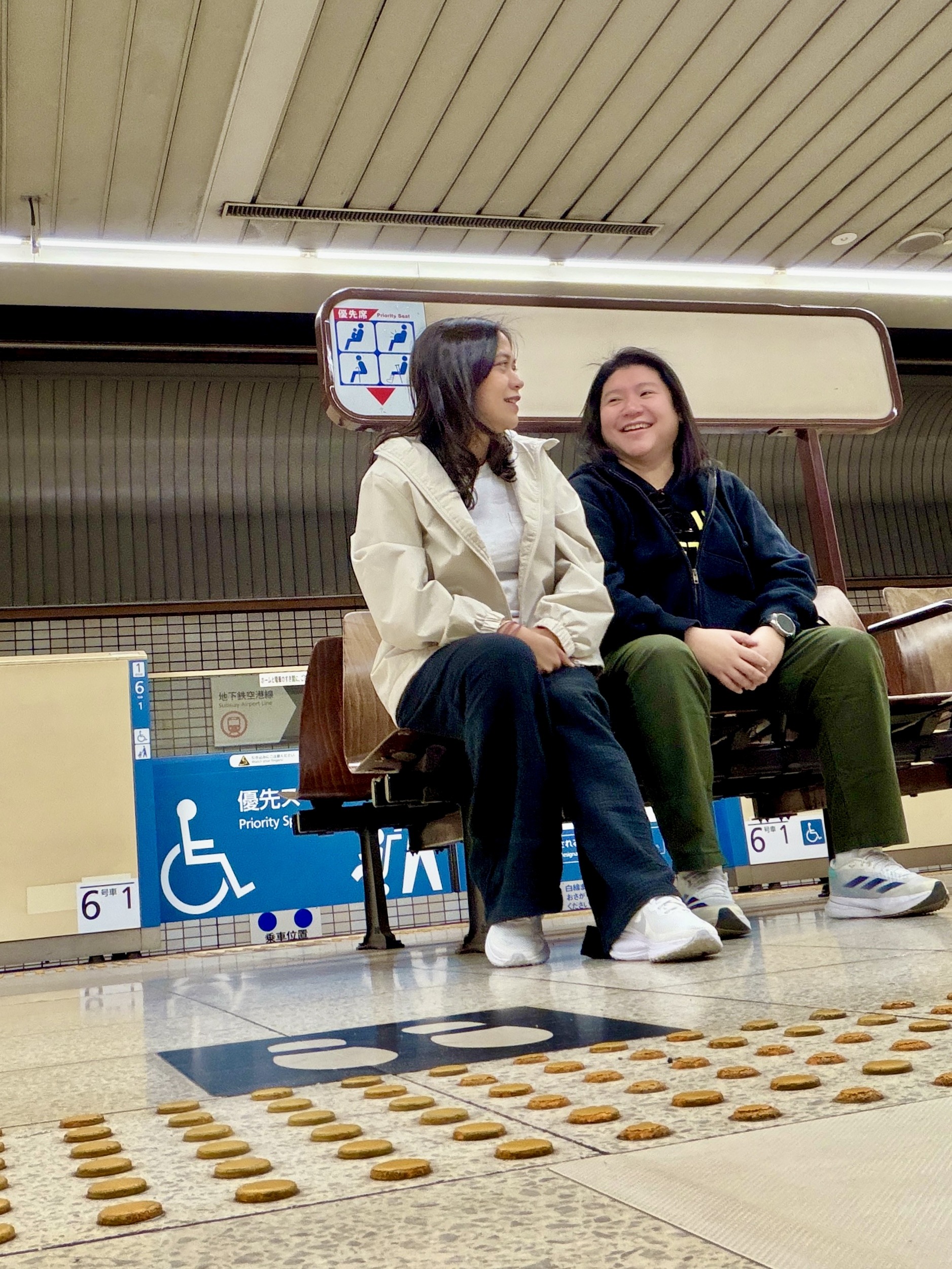
Transportation: Compared to Tokyo and Osaka, Fukuoka has fewer train lines and is much easier to get around. In fact, if the weather is pleasant, the city is very bike-friendly. During our stay, we mostly relied on just one train line, the Fukuoka Subway Airport Line (orange).
Another thing I love about Fukuoka is how close Fukuoka Airport is to the city center. It’s less than 2 km away, so taking an Uber or taxi usually costs under ¥1,500 each way.
Aside from trains and buses, ferries are also an option if you want to explore nearby islands. You can even travel internationally from Hakata Port to Busan in South Korea.
Tour: I’m not really a fan of tours since I prefer exploring new places DIY. However, since it was spring break and a weekend, we expected bigger crowds, and Forest Cafe Midori No Oto isn’t very accessible by public transportation, with a lot of walking and limited bus options. That said, we decided to book a Klook tour instead.
It actually worked out well because the tour also included Sakurai Futamigaura, which was already on my list of places to visit in Itoshima, Fukuoka.
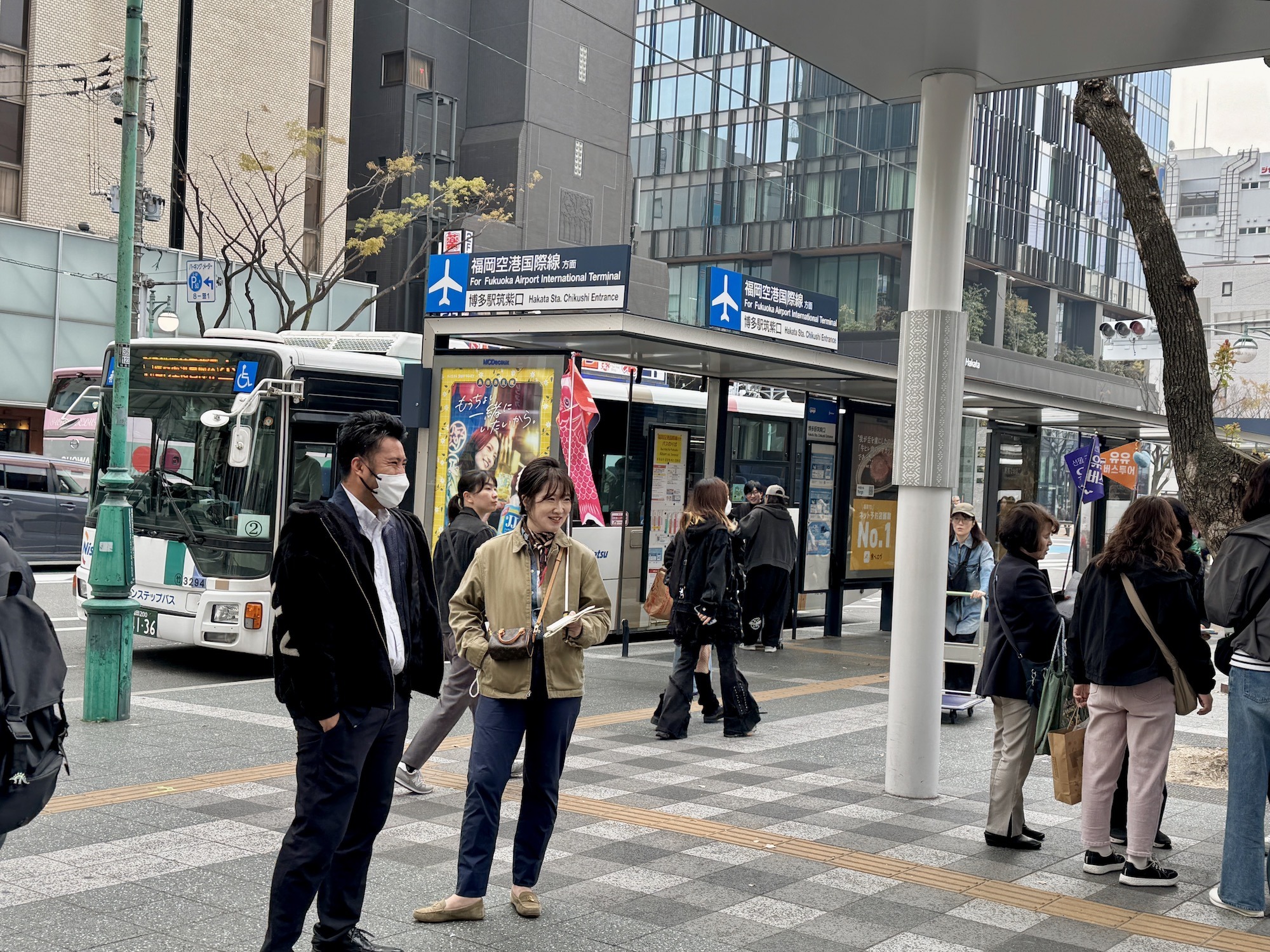
THINGS YOU NEED TO HAVE
Comfy footwear.
You’ll be doing a lot of walking and standing, so make sure your shoes can last from morning until evening. Whenever I’m in Japan, my average step count ranges from 8,000 to 20,000 steps a day.
Cash.
Bring enough cash with you, as some establishments still don’t accept credit cards. We usually withdraw from Seven Bank ATMs, often at the airport, for convenience.
Medicine.
While there are plenty of pharmacies in Japan, it’s still best to bring your own medications, especially if you’re traveling during winter or spring. Better to be safe than sorry, particularly if you have allergies to certain medicines.
WiFi or eSIM.
You can book one in advance through Klook or rent a pocket WiFi upon arrival at Hakata Airport.
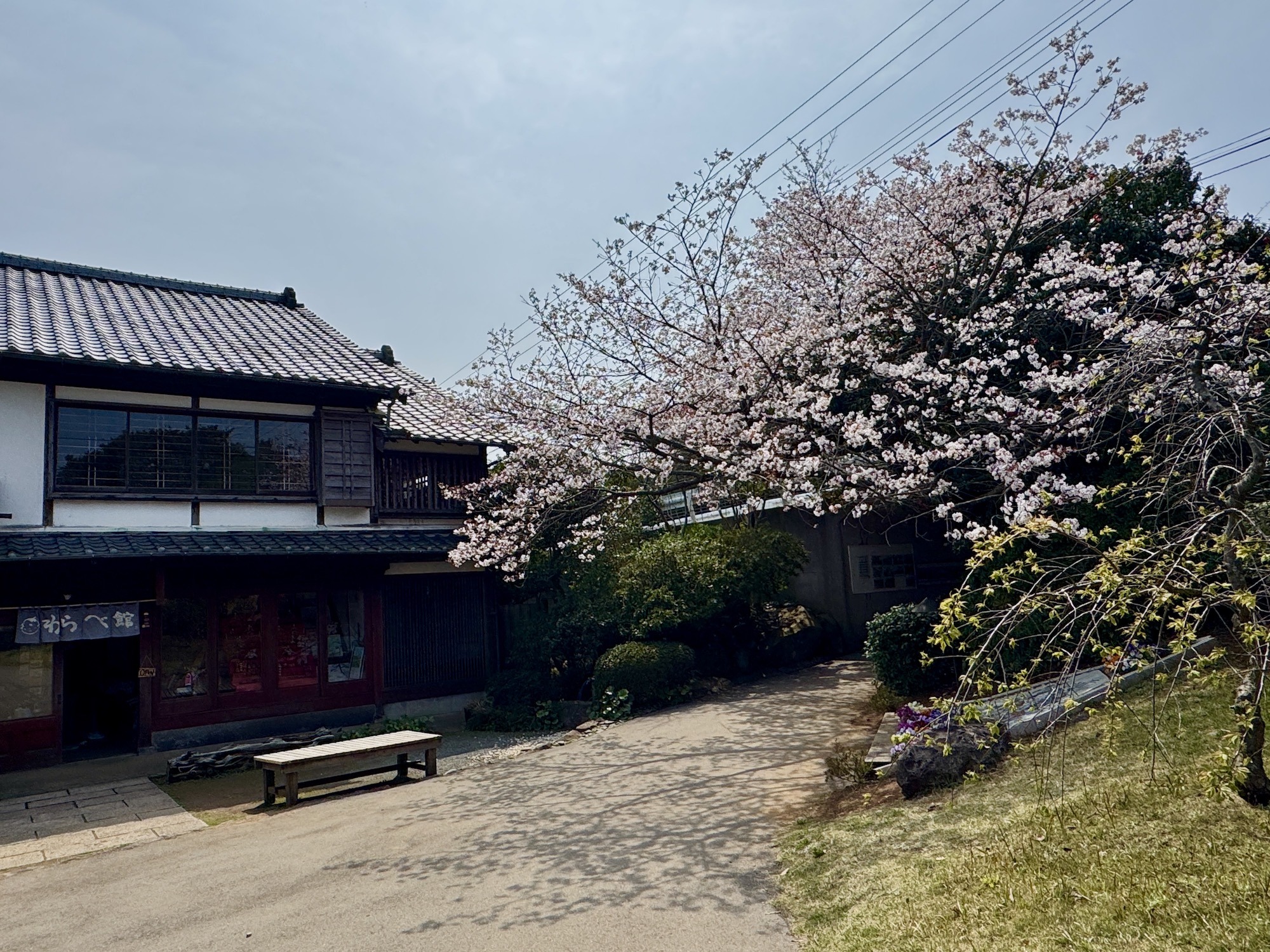
Budget
Your budget will depend on the length of your stay, accommodation, food choices, and how much shopping you plan to do.
Personally, I find that a budget of Php 40,000–50,000 per person is more than enough for a 4–5 day trip to Fukuoka. This already covers most expenses, including shopping, except for airfare.
FUKUOKA, JAPAN DAILY ITINERARY
Travel Pace Note: This itinerary is intentionally relaxed. We didn’t try to squeeze in too many places in one day and focused more on enjoying each stop at our own pace. If you’re the type who prefers slow mornings, café breaks, and not rushing from one attraction to another, this kind of itinerary might work well for you. Of course, you can always add more stops if you want a more packed schedule.
DAY 0
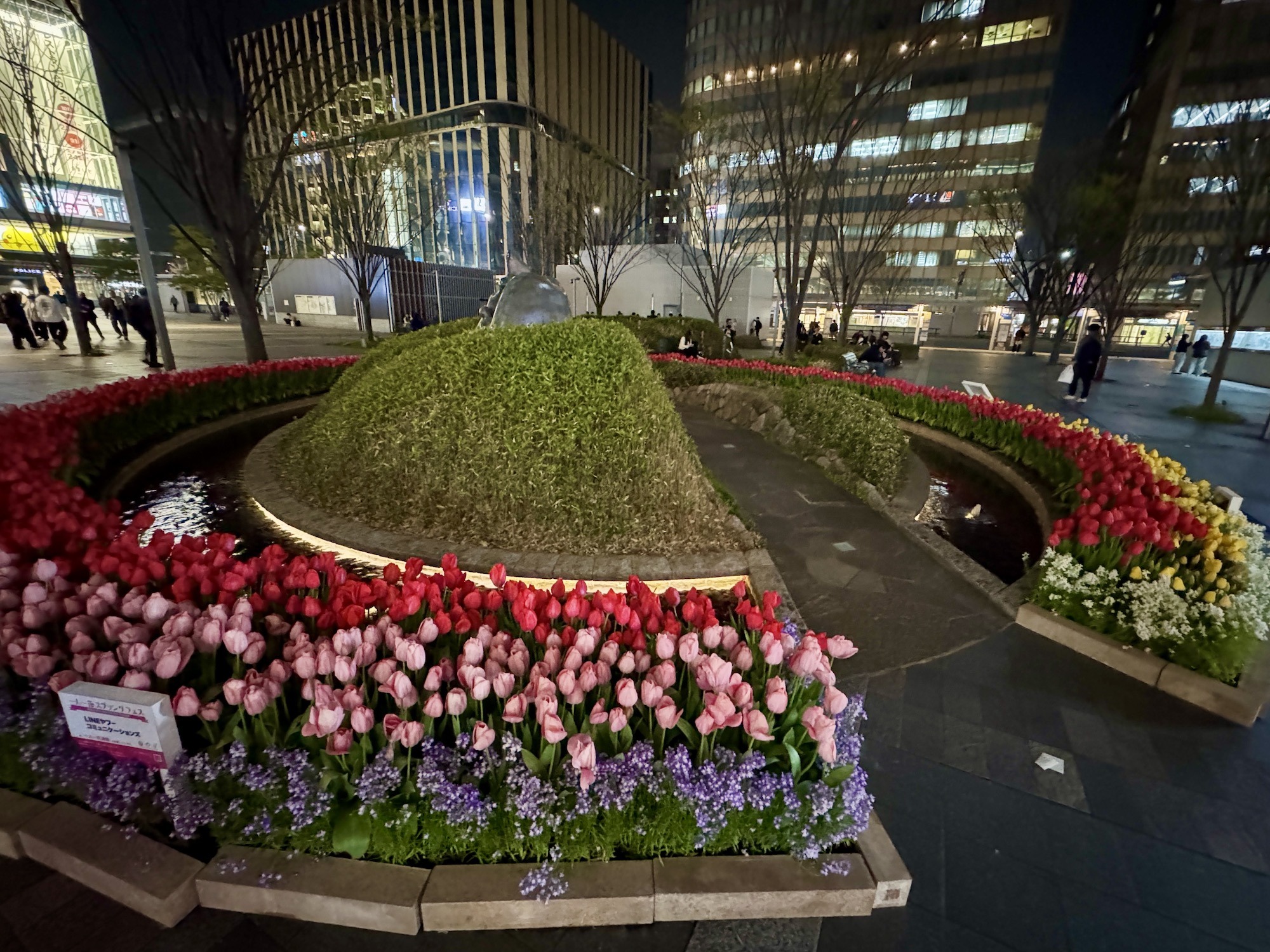
Since we arrived in Fukuoka at around 7:00 PM, and thankfully our Cebu Pacific flight was on time, we were able to rent a pocket WiFi at the airport, withdrew some cash, and booked an Uber taxi straight to our hotel, Montan Hakata. Most WiFi rental counters at the airport close around 9:00 to 9:30 PM, so arriving earlier gave us enough time to arrange everything without rushing.
Another option, which is actually cheaper, is to take the free shuttle bus to the domestic terminal, then make your way to Hakata Station and ride a train to your hotel. We just chose to take a taxi since it’s not every day we get to do that in Japan, knowing how expensive it can be. It was also already late, and we wanted to rest and save our energy for the following days.
After checking in, we headed out to a nearby Family Mart to grab dinner, then just lounged at Montan Hakata’s common area for a relaxed first night.
DAY 1
1st stop: Breakfast at & Locals Ohori Park
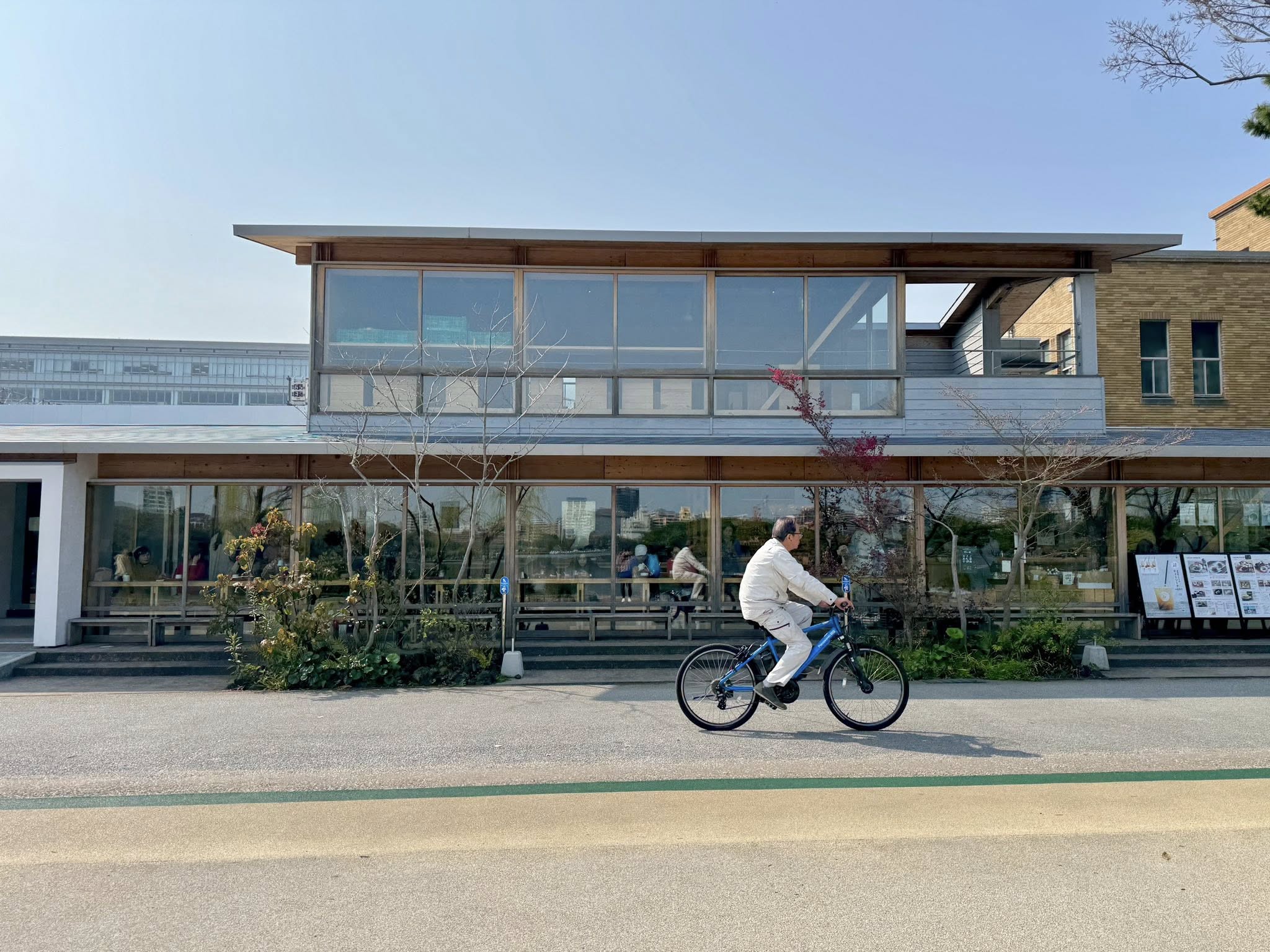
We woke up early and left Montan Hakata at around 8:00 AM to grab coffee and breakfast at & Locals Ohori Park inside Ohori Park. It’s a pretty, minimalist café with a beautiful and relaxing view of the pond.
However, I was a bit disappointed that they don’t really serve coffee. No latte, no americano, or anything similar. Maybe I just overlooked that when I was checking their Instagram. They do have matcha latte though, which I ordered, along with some good snacks.
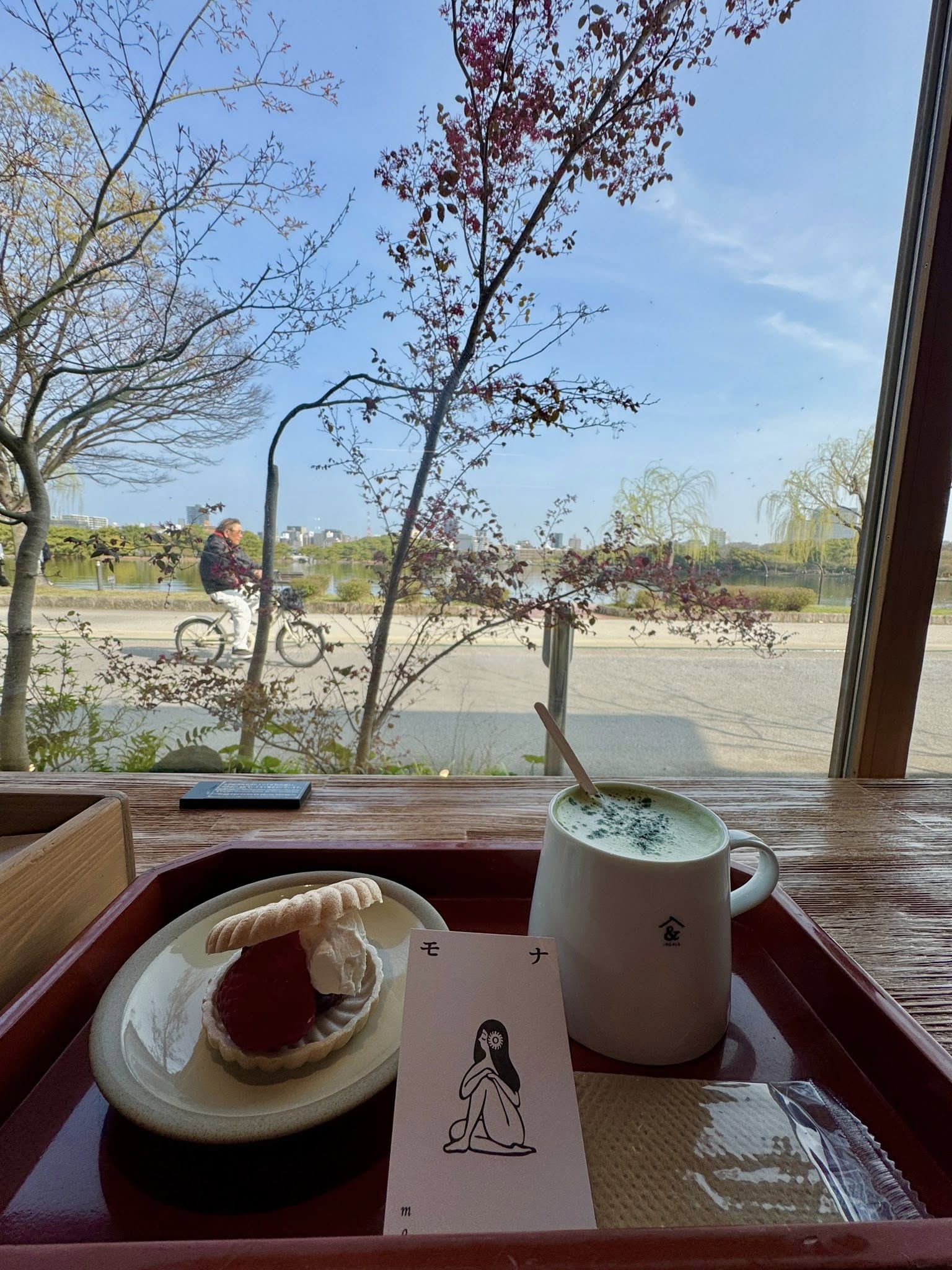
It’s actually a really nice spot for slow mornings and people watching, especially with joggers and locals passing by. That said, it tends to get busy as the morning progresses. We arrived early, which was good, but I still felt a bit shy staying too long knowing that other people were already waiting for seats.
How to get there: From Montan Hakata, we walked for about 3 minutes to Higashi-Hie Station, then took the Subway Airport Line (Orange Line) and got off at Ohori Park Station. From there, we exited at Exit 5.
I’m not exactly sure which entrance is considered the main one going into Ohori Park, but we ended up entering through a small path and just followed Google Maps toward the café. The weather was pleasant, and since it was still early, the walk felt really nice with joggers and bikers around.
2nd stop: Maizuru Park
After a quick and light breakfast at & Locals Ohori Park, we walked to Maizuru Park. If I remember correctly, it’s about a 10-minute walk, but I tend to get distracted by everything along the way, so we made a few pit stops.
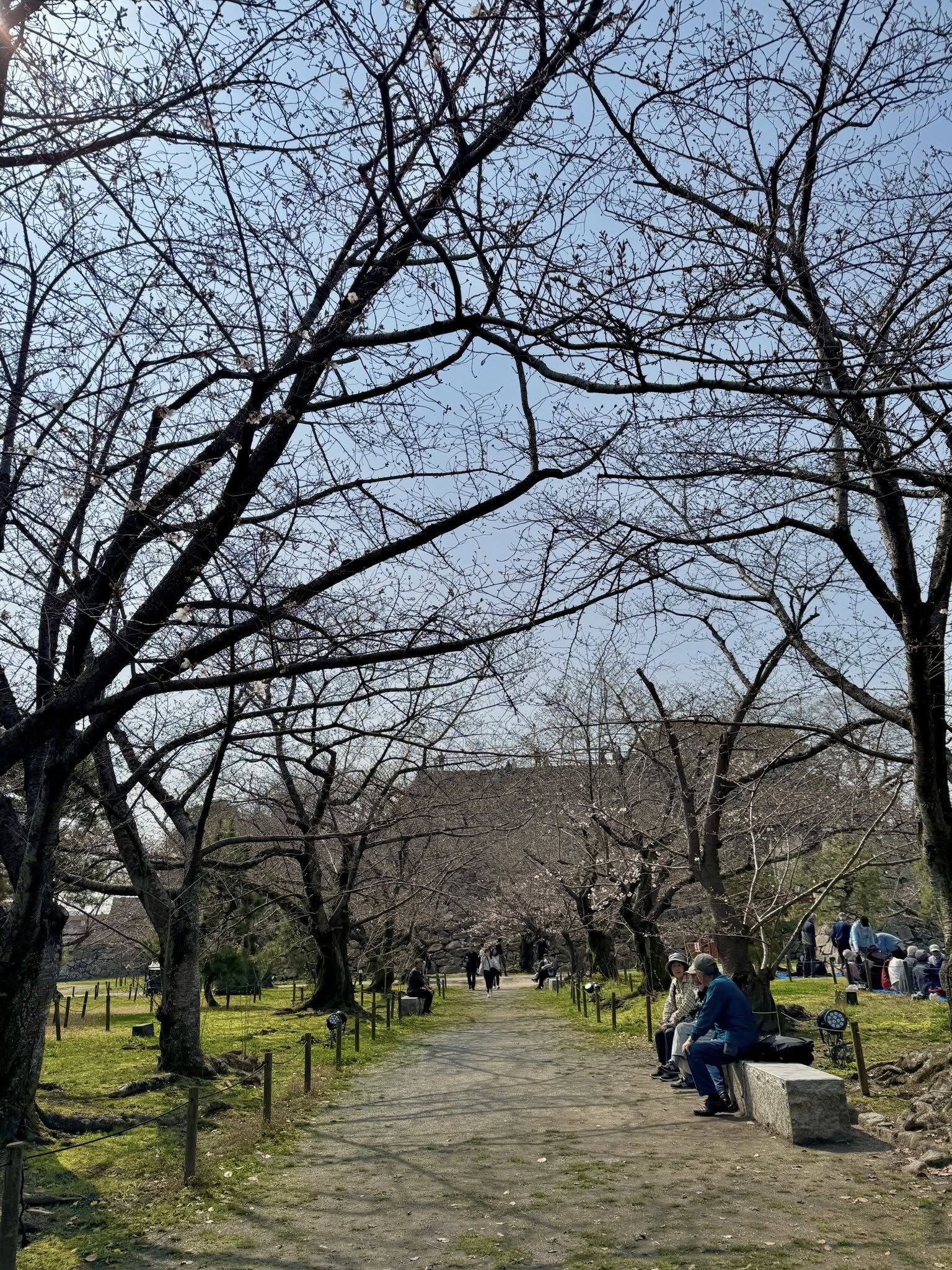
We originally planned to visit Maizuru Park in the evening for the sakura illumination. However, contrary to the initial cherry blossom forecast, the blooms were only around 40–50% when we arrived. Some say the rainy days before our trip delayed the blooming. I still wanted to check the area just in case there were more flowers in bloom, but unfortunately, my hunch was right, they weren’t in full bloom yet.
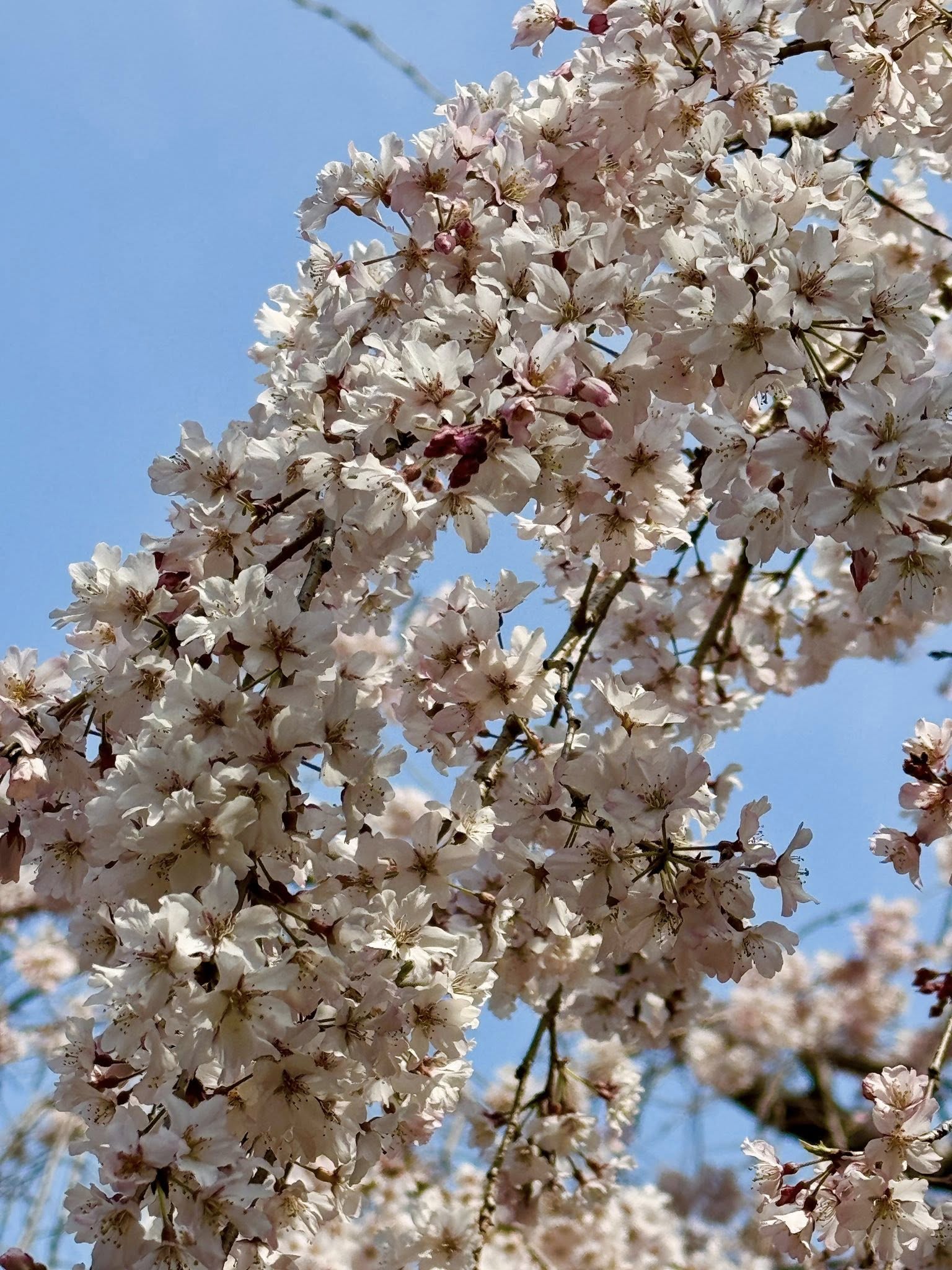
Some varieties were already blooming though. The weeping cherry trees were quite full, but the Somei Yoshino, the pale pink to almost white variety and my personal favorite, were still far from peak. I saw a few buds and some early blooms, but not quite what I expected. Still, it’s okay. It just gives me more reason to experience spring in Japan again, maybe in other prefectures next time.
3rd Stop: Lunch at Tempura Hirao at Tenjin ACROS Fukuoka
This popular tempura specialty restaurant in Fukuoka serves your order piece by piece right in front of you, so you’re guaranteed everything is freshly fried. They have several branches around Fukuoka Prefecture, but we chose the Tenjin branch inside the ACROS Fukuoka building since we planned to explore the nearby malls afterward.
Tempura Hirao opens at 11:00 AM, which is typical for many restaurants in Japan. We arrived a bit past 11:00 AM and there was already a long queue, so we ended up waiting for almost an hour to get seated. One tip: if you can’t come early, don’t come too hungry.
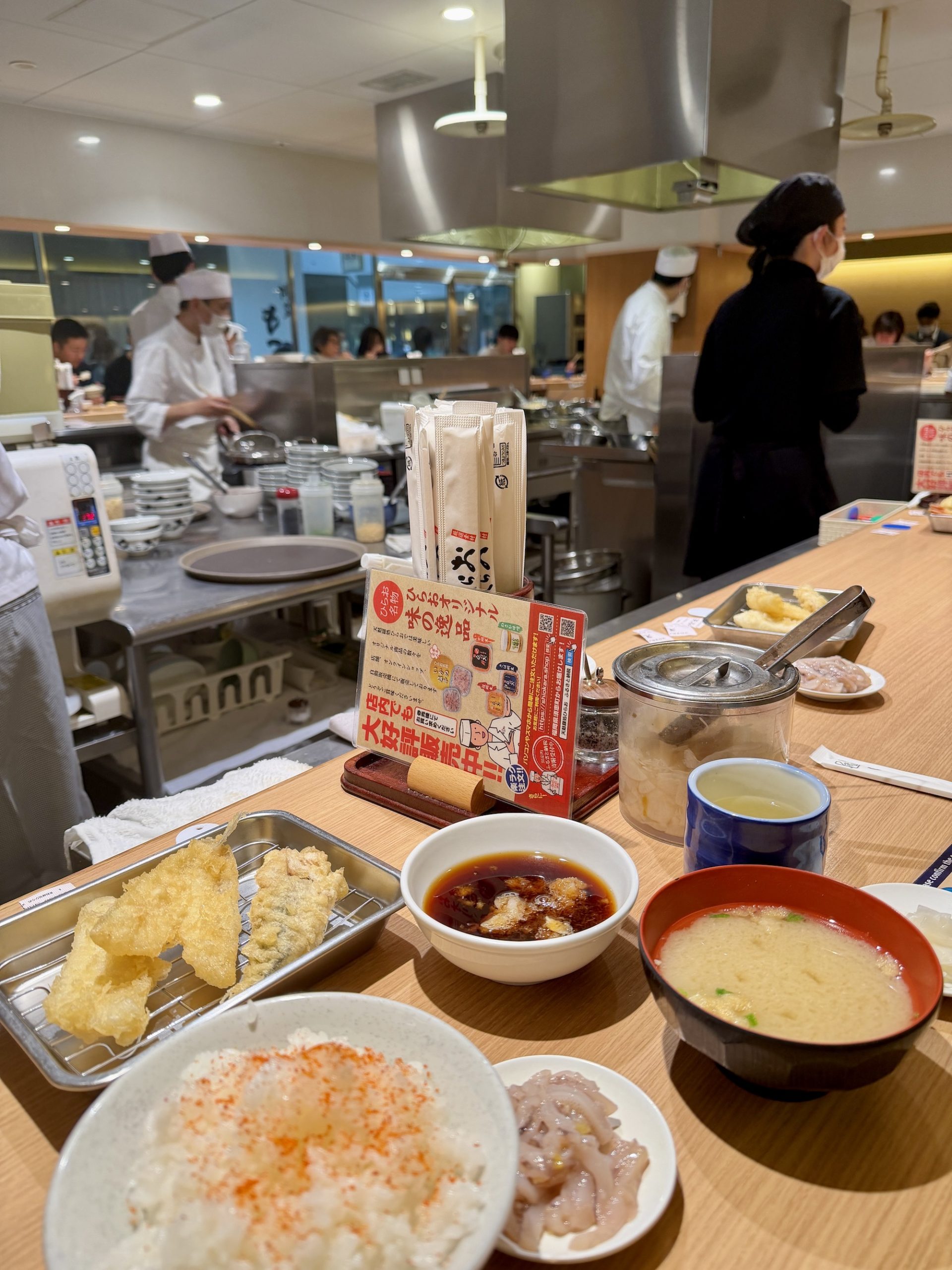
As for the food, they offer complimentary unlimited yuzu-flavored salted squid, which a lot of people seem to enjoy. If you know me, I don’t eat raw food, so I can’t really comment on that. The shrimp and fish tempura were good and definitely worth trying, but not something I’d personally crave.
They don’t accept cards, by the way, so make sure you have enough cash for the vending machine.
How to get there: From Maizuru Park, head back to Ohori Park Station, then take the subway to Tenjin Station. Exit at Exit 16 and walk about 3 minutes to ACROS Fukuoka. The restaurant is located on the basement level (B2F).
Verdict: Worth trying at least once for the experience and freshly fried tempura, but personally, I wouldn’t line up again for an hour unless you go early or the queue is shorter. That said, if you love tempura, this place lives up to the hype.
4th stop: Shopping around Tenjin
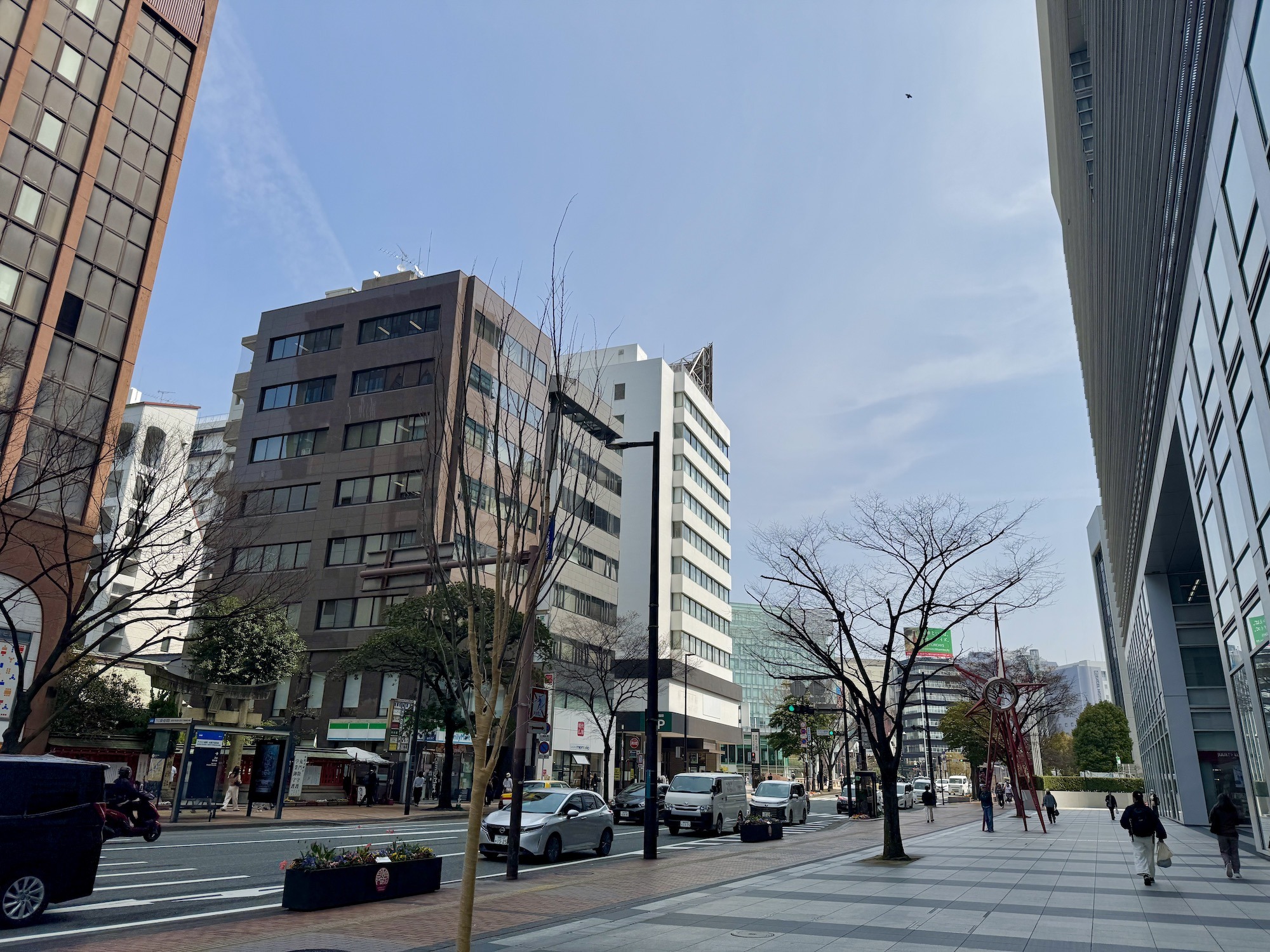
We’re not really into shopping, so visiting the malls around Tenjin was very intentional. We picked up the items we needed, checked them off our list, and headed back to the hotel. We stopped by Uniqlo, GU, Muji, 3COINS, and Loft, then had coffee to rest our feet.
We didn’t feel the need to push ourselves or stay out late just to make the most of the day, and that’s one of the reasons I really enjoyed this Fukuoka trip. We even skipped Canal City Hakata, one of the most popular malls in the city, simply because shopping wasn’t a priority for us.
5th Stop: Hakata Station + Dinner at Hakata Torikawa
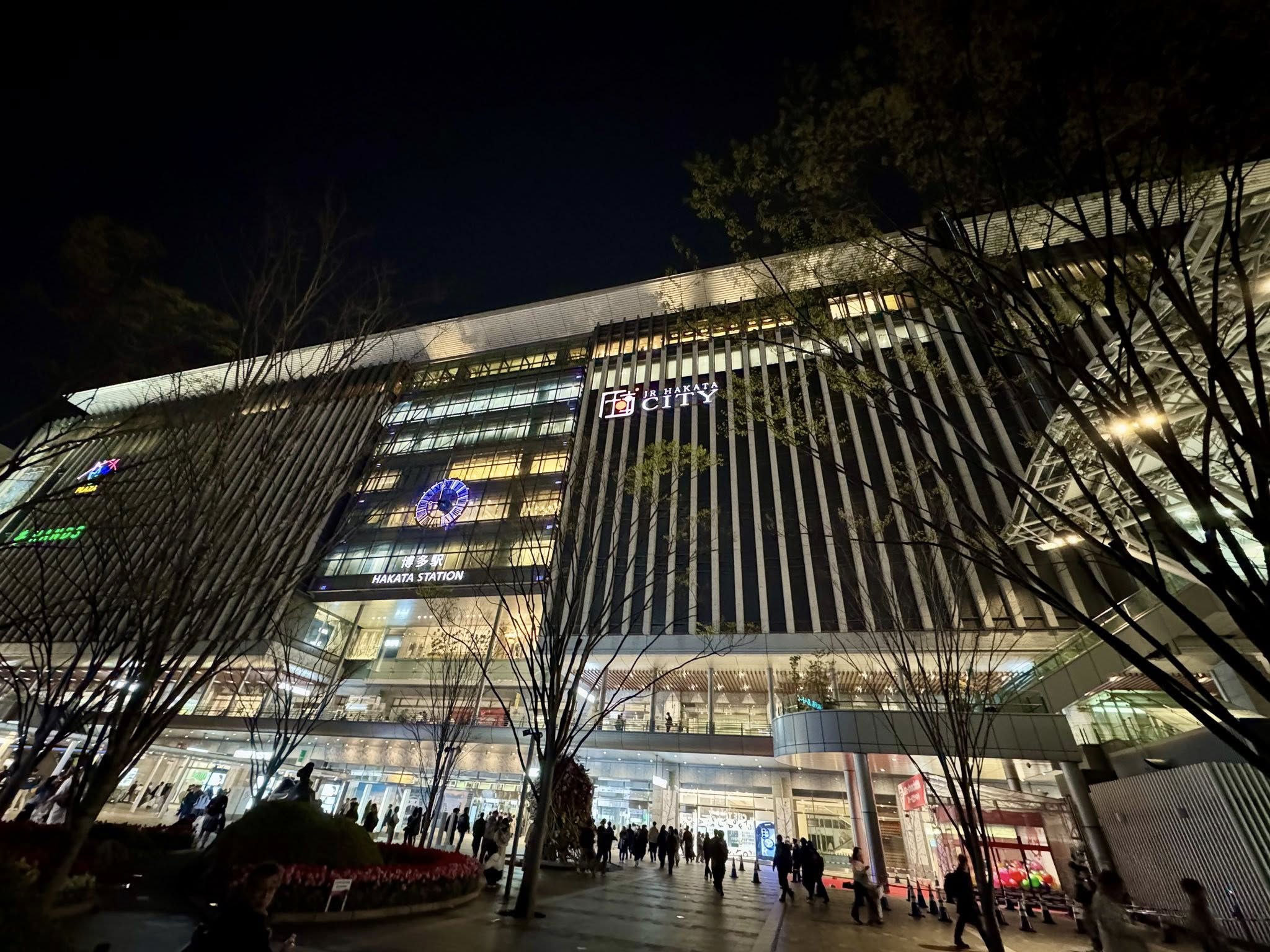
After getting some rest, we walked to Hakata Station to see what was around and find dinner. As expected, there were a lot of people, but it didn’t feel as overwhelming as the usual Tokyo Station vibe.
When we started running out of energy from walking and looking for a place to eat, we decided to settle into a small yakitori spot that ended up becoming one of our favorite restaurants in Japan, Hakata Torikawa. It’s a small place located in front of Uniqlo inside the station.
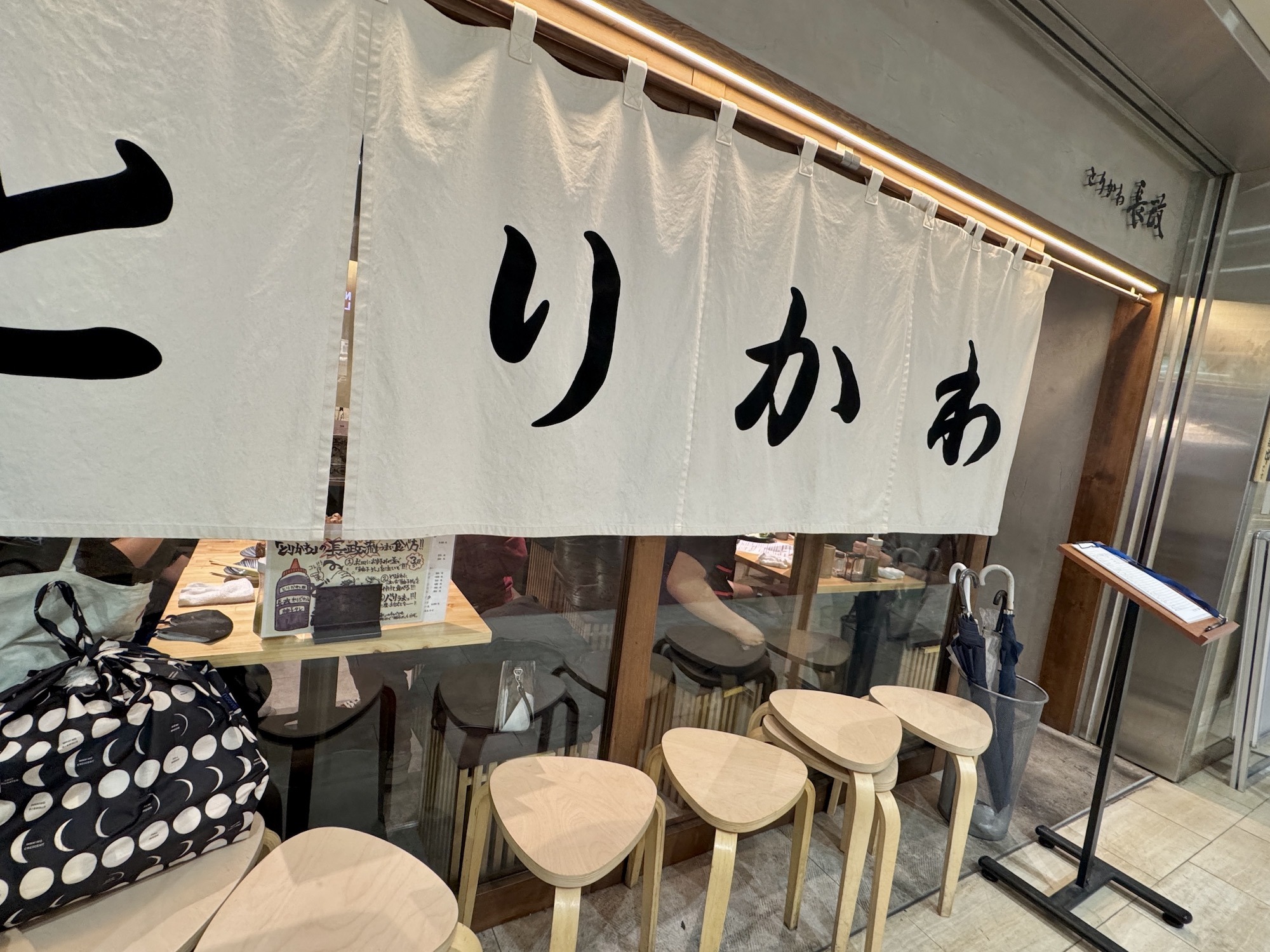
It’s not too pricey, and their skewers were really good. Definitely a great find after a long day. Spoiler alert, we ended up eating here twice.
DAY 2
1st Stop: Nokonoshima Island Park
We woke up early and prepared for a day trip to an island in Fukuoka. The theme of this trip was slow travel and spring, so what better way to experience it than visiting an island full of flowers. I’ve always loved flowers of all kinds, and seeing endless blooms in different varieties really excites me.
If you’re someone who doesn’t want to ride a ferry to another island but still wants to see flower fields, Uminonakamichi Seaside Park is a good alternative. It can also be accessed by ferry, but most visitors usually take the train instead. So you basically have two options to enjoy similar flower scenery.
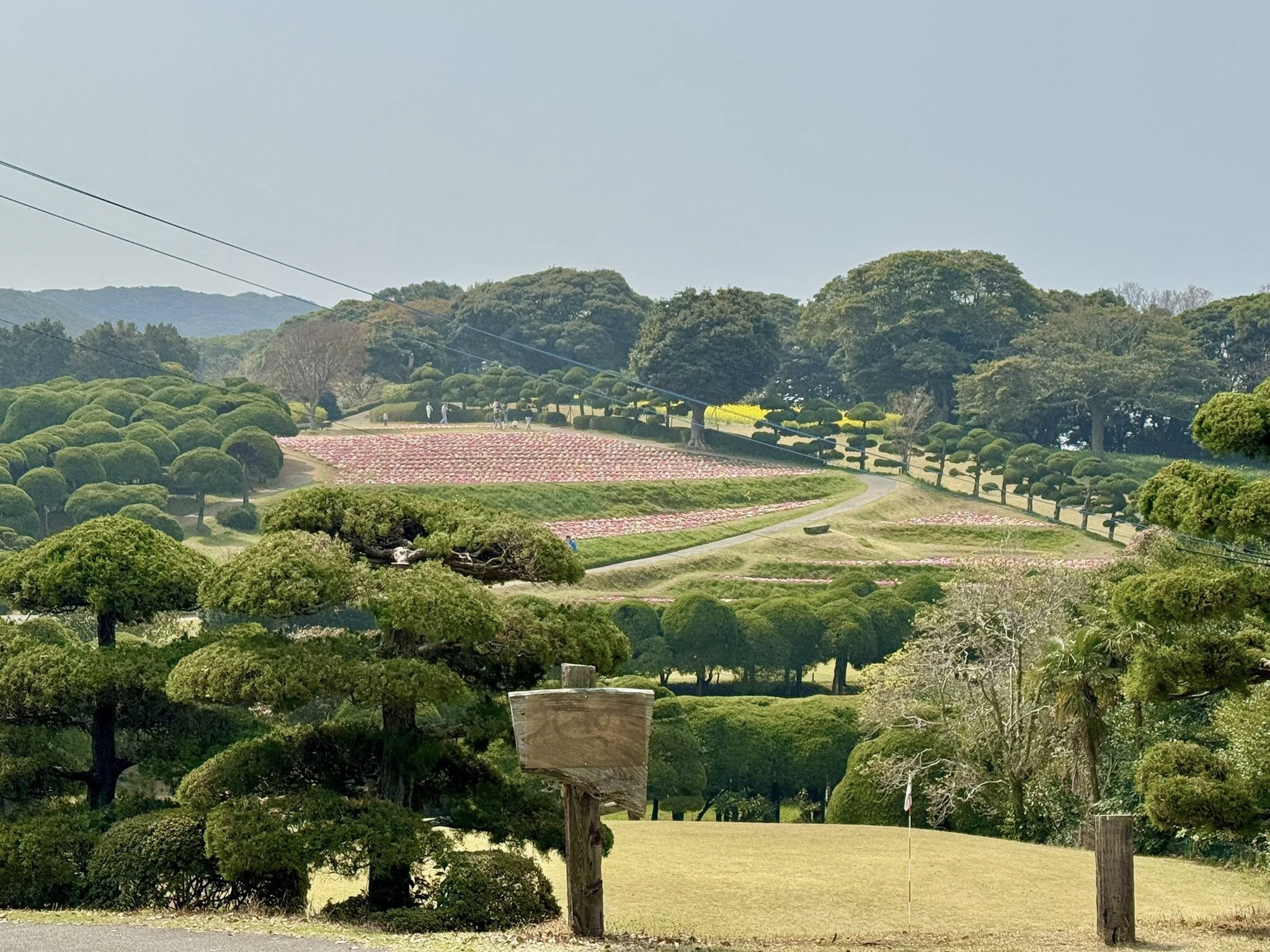
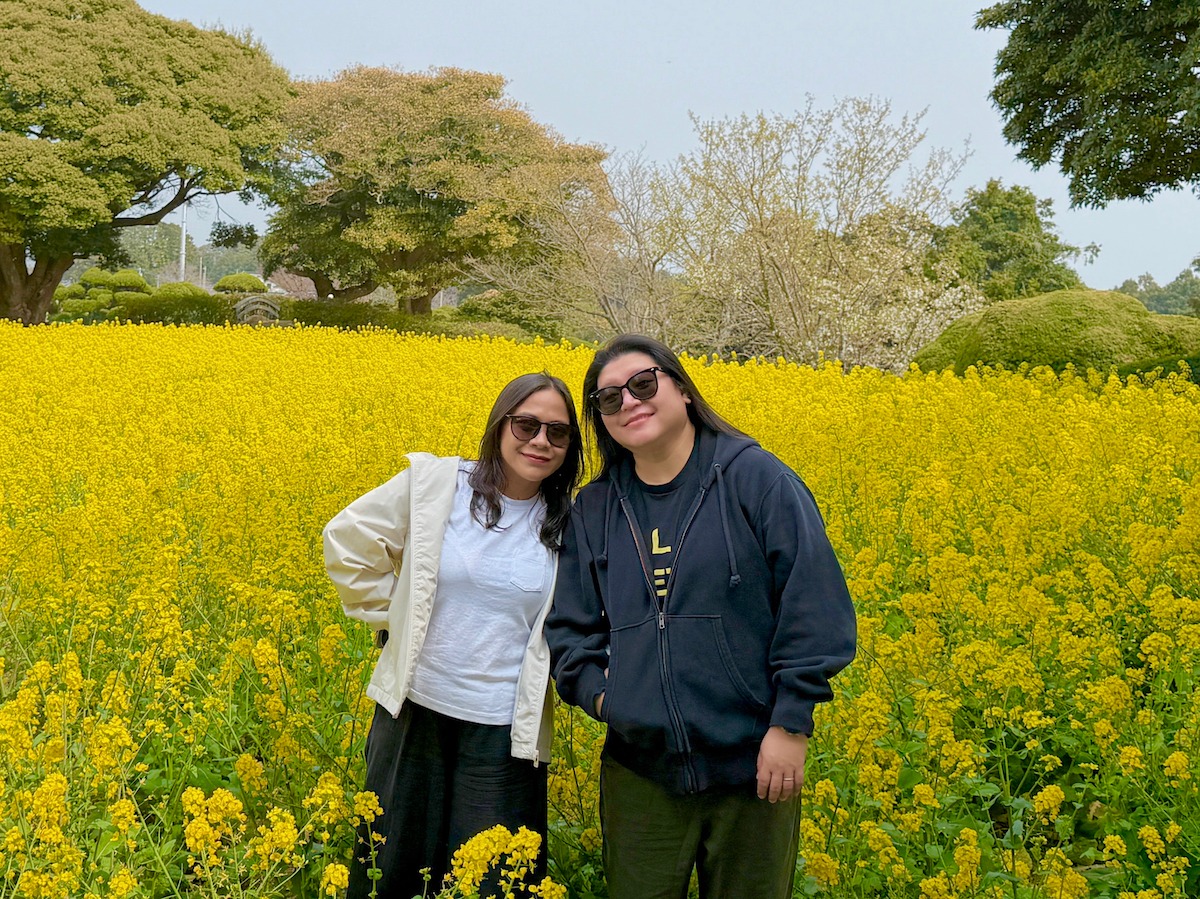
I personally chose Nokonoshima Island Park because of its sea of yellow canola or rapeseed blooms. I actually wanted to take a photo in the middle of the flower field, like Park Bo Gum and IU’s scene in When Life Gives You Tangerines, but I didn’t want to step on any plants just for the shot. In the end, we were still able to take a photo, not perfect I must say, but almost there.
The uphill and downhill walk around the park can be quite tiring, especially under the sun. The weather that time was pleasant, but you can definitely get a tan if you’re not wearing sunscreen. After taking plenty of photos, we had lunch at Sakimori Restaurant, which has a breathtaking view of the canola fields and Shika Island in the distance. The main flower field often seen online is actually the larger and more popular one located in front of the restaurant. The first area we visited, where we took most of our photos, was a smaller field but much less crowded, which worked better for us. If you also feel like staying overnight, there is also a Sakimori Villa right beside the flower fields.
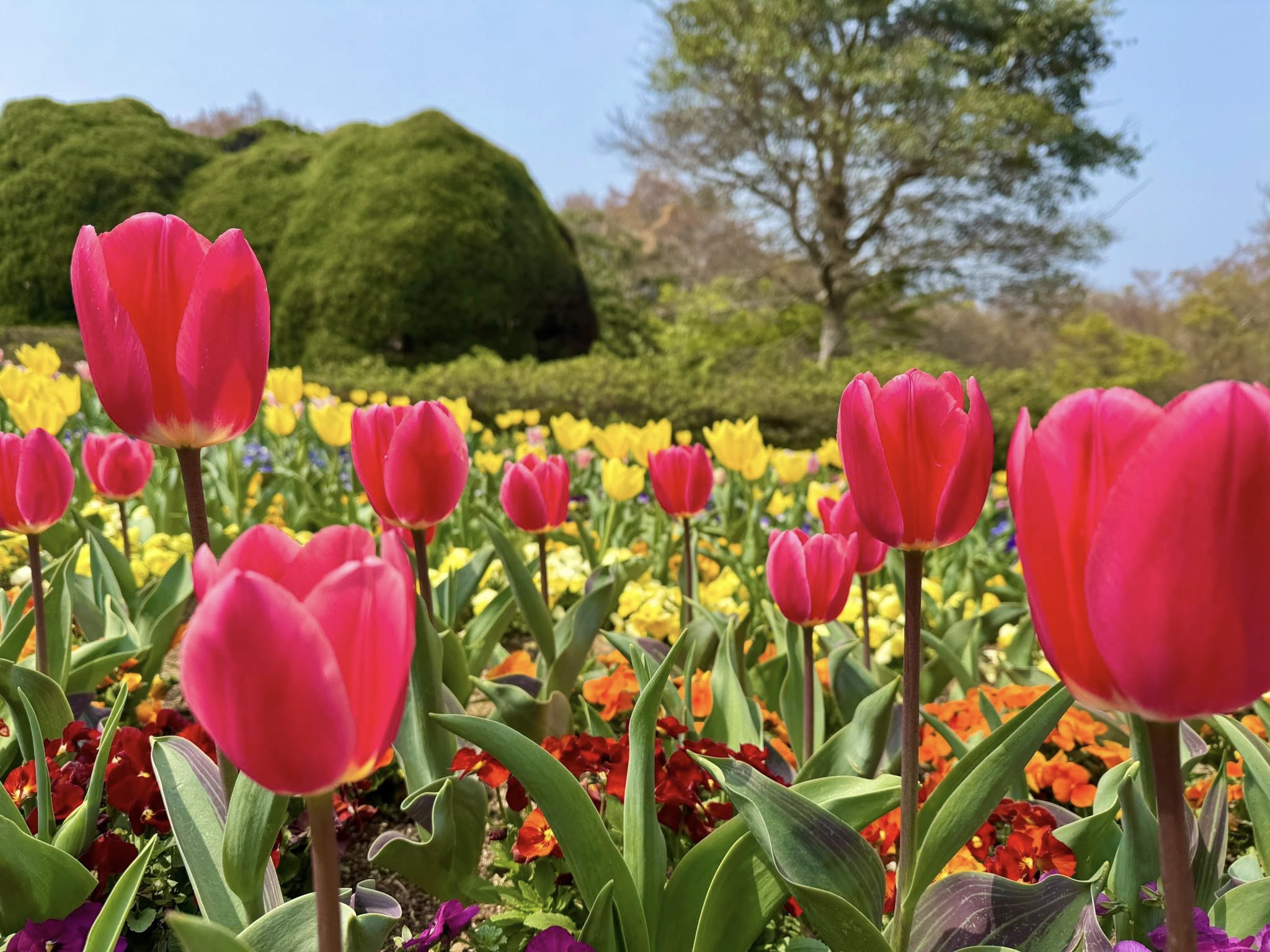
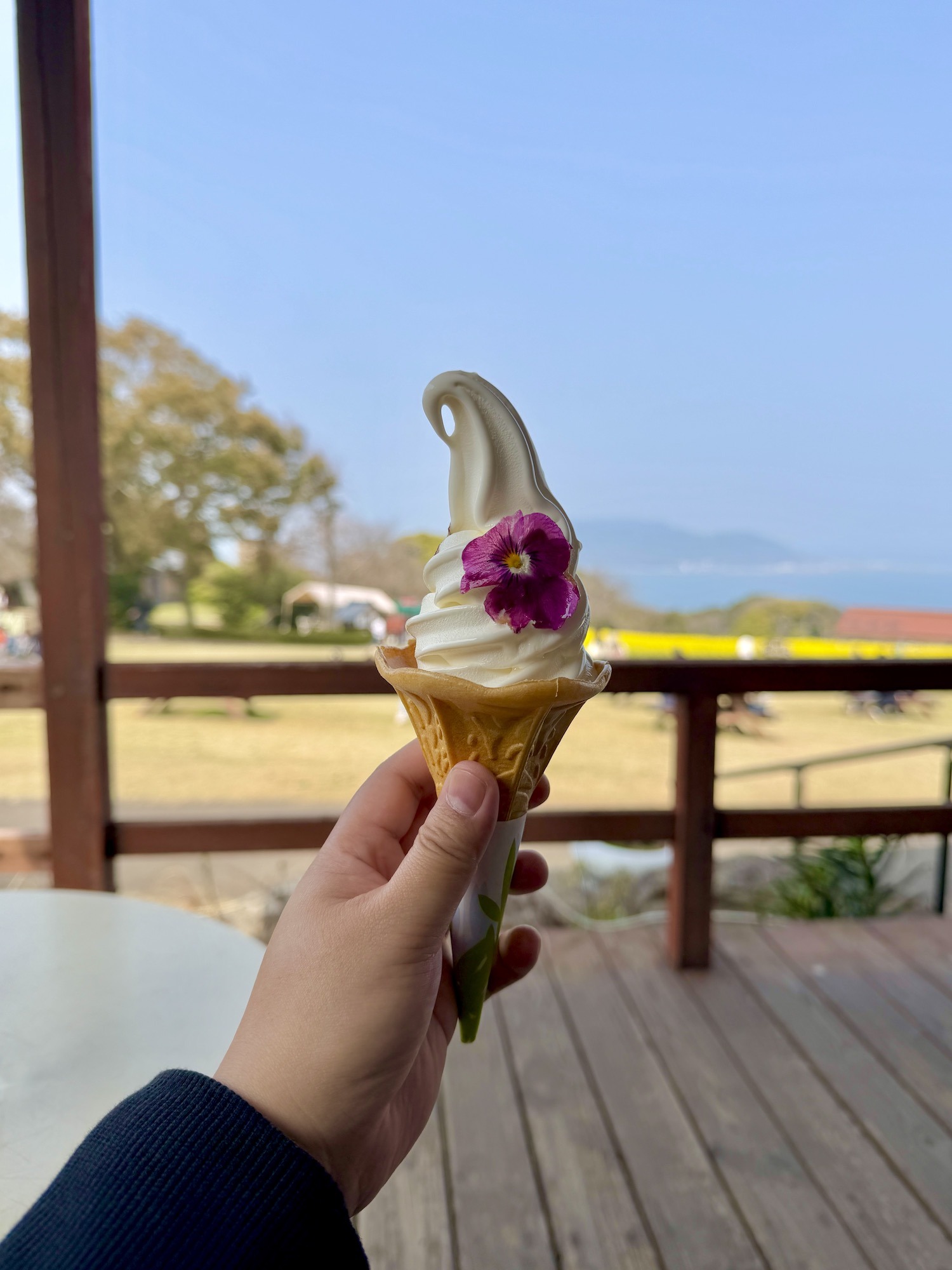
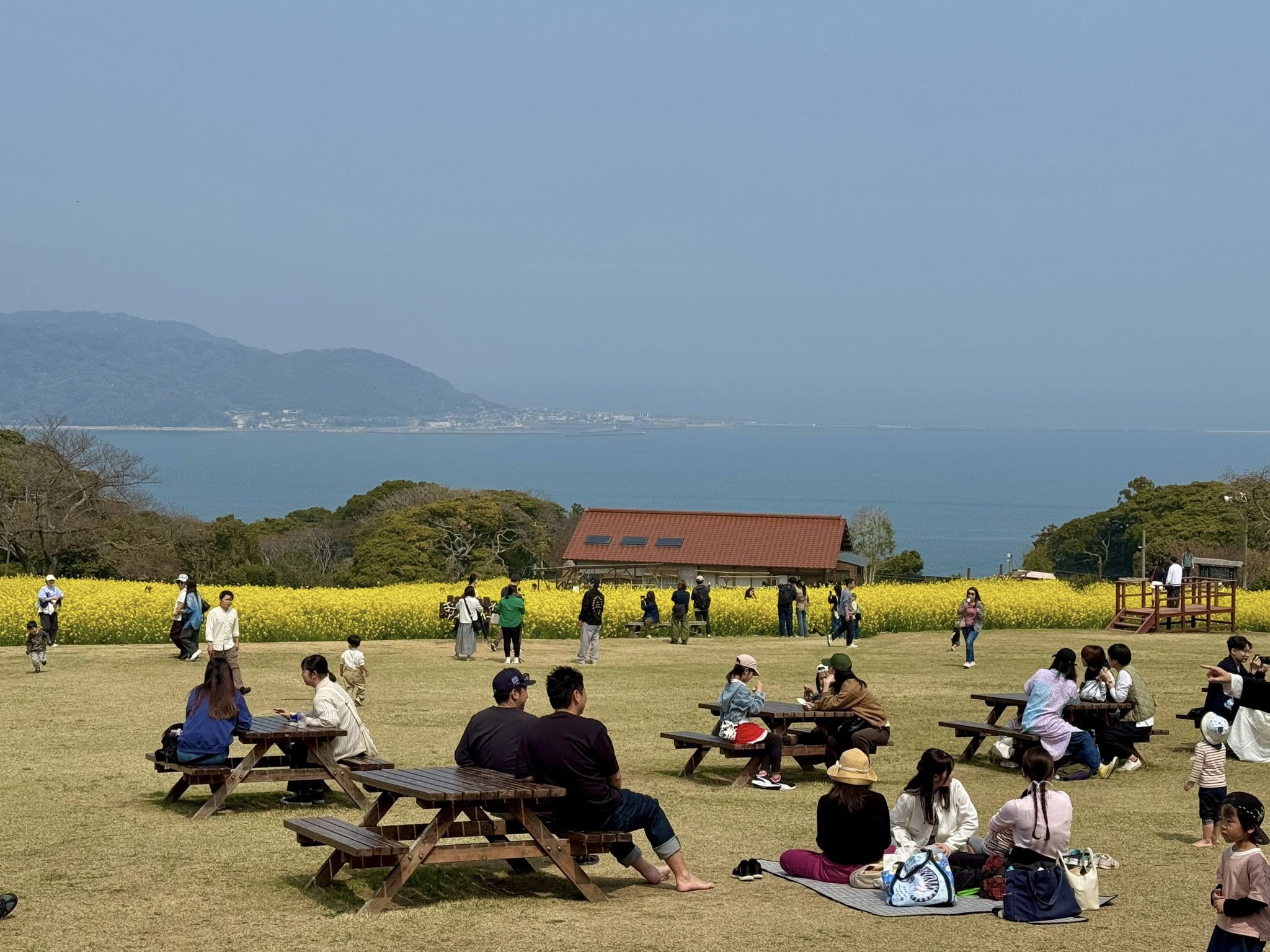
For more details on seasonal blooms, you can check the official Nokonoshima Island Park website.
Tips for Visiting Nokonoshima Island Park
Go early
Take an early ferry so you can enjoy the flower fields before it gets too hot and crowded.
Wear comfortable shoes
Expect uphill and downhill walking inside the park. It can be more tiring than it looks.
Bring sun protection
Some areas have little shade, so sunscreen, a cap, or sunglasses are recommended.
Check ferry schedules in advance
Ferries from Meinohama Port can get busy during peak seasons like spring, so it’s best to plan ahead.
Best photo spots
The main canola field near the restaurant offers the most iconic views, while smaller fields near the entrance are less crowded and easier for photos.
Food inside the park
There is a restaurant available, but options are limited, so it’s best to plan your meal timing accordingly.
How to get there:
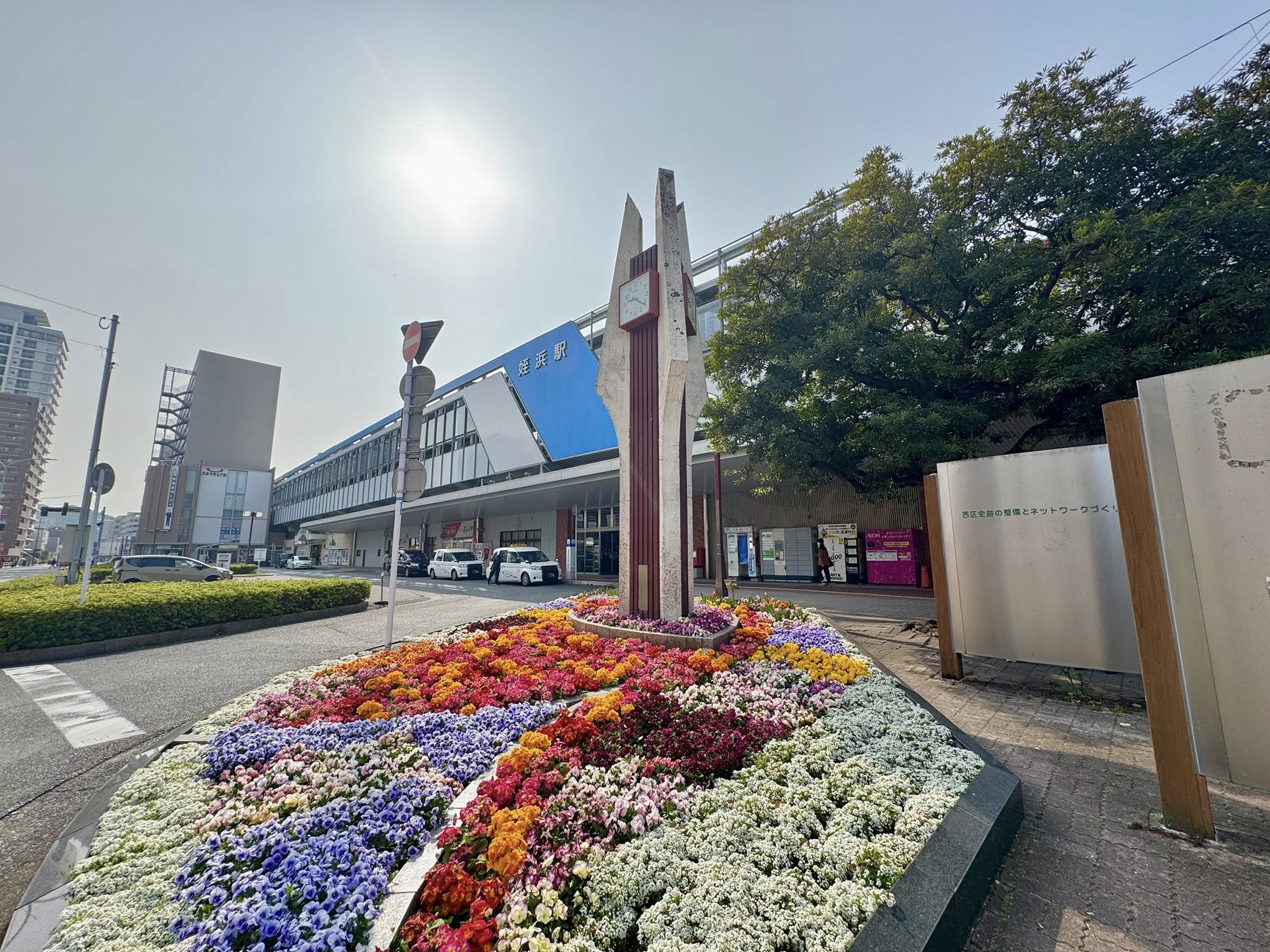
From Montan Hakata, we walked about 3 minutes to Higashi-Hie Station, then took the Subway Airport Line (Orange Line) and got off at Meinohama Station.
From there, take the North Exit. Once outside, you’ll immediately see a bus stop heading to Meinohama Ferry Terminal. Take Nishitetsu Bus No. 98. The bus ride takes around 20–30 minutes depending on traffic and stops.
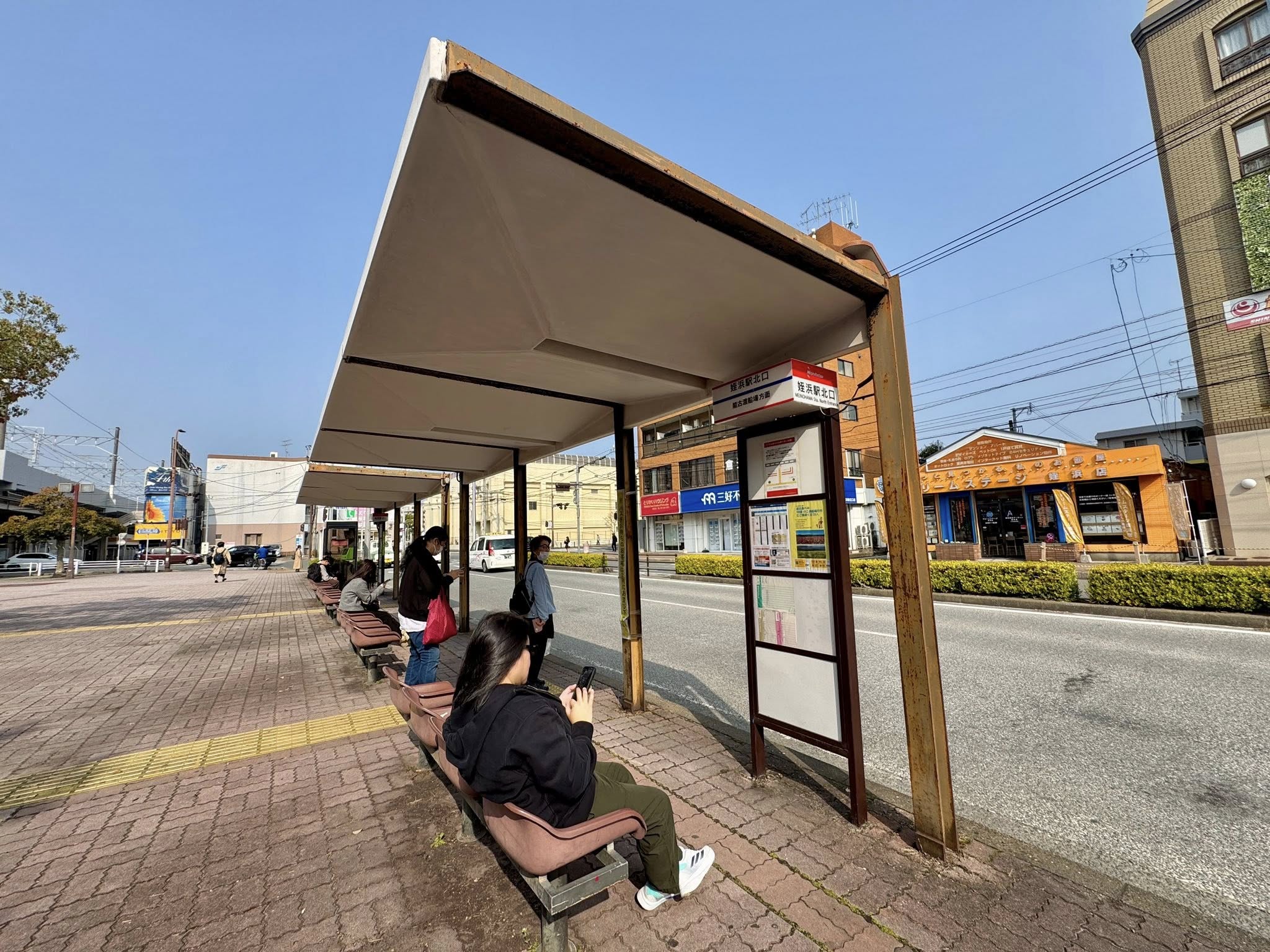
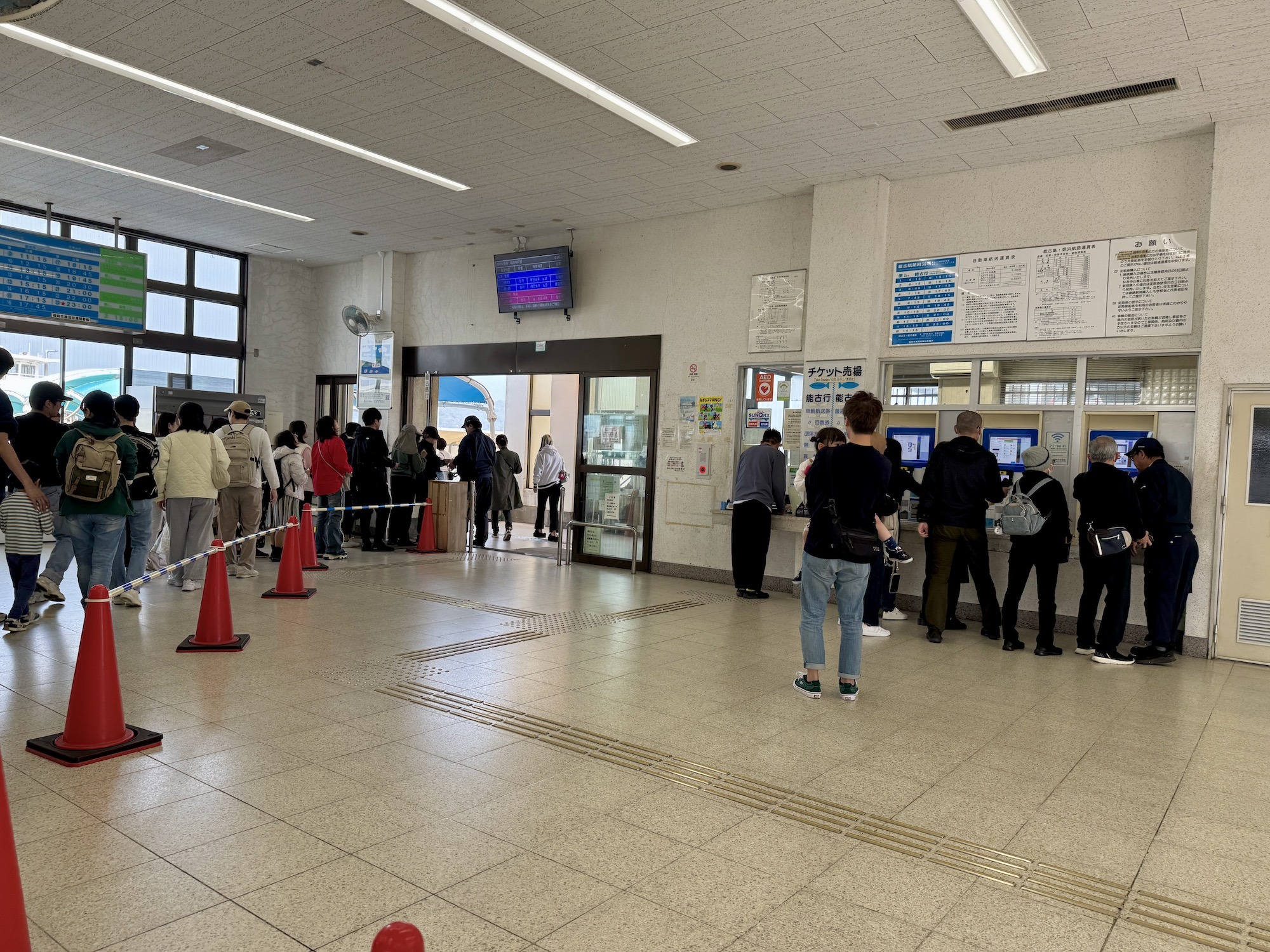
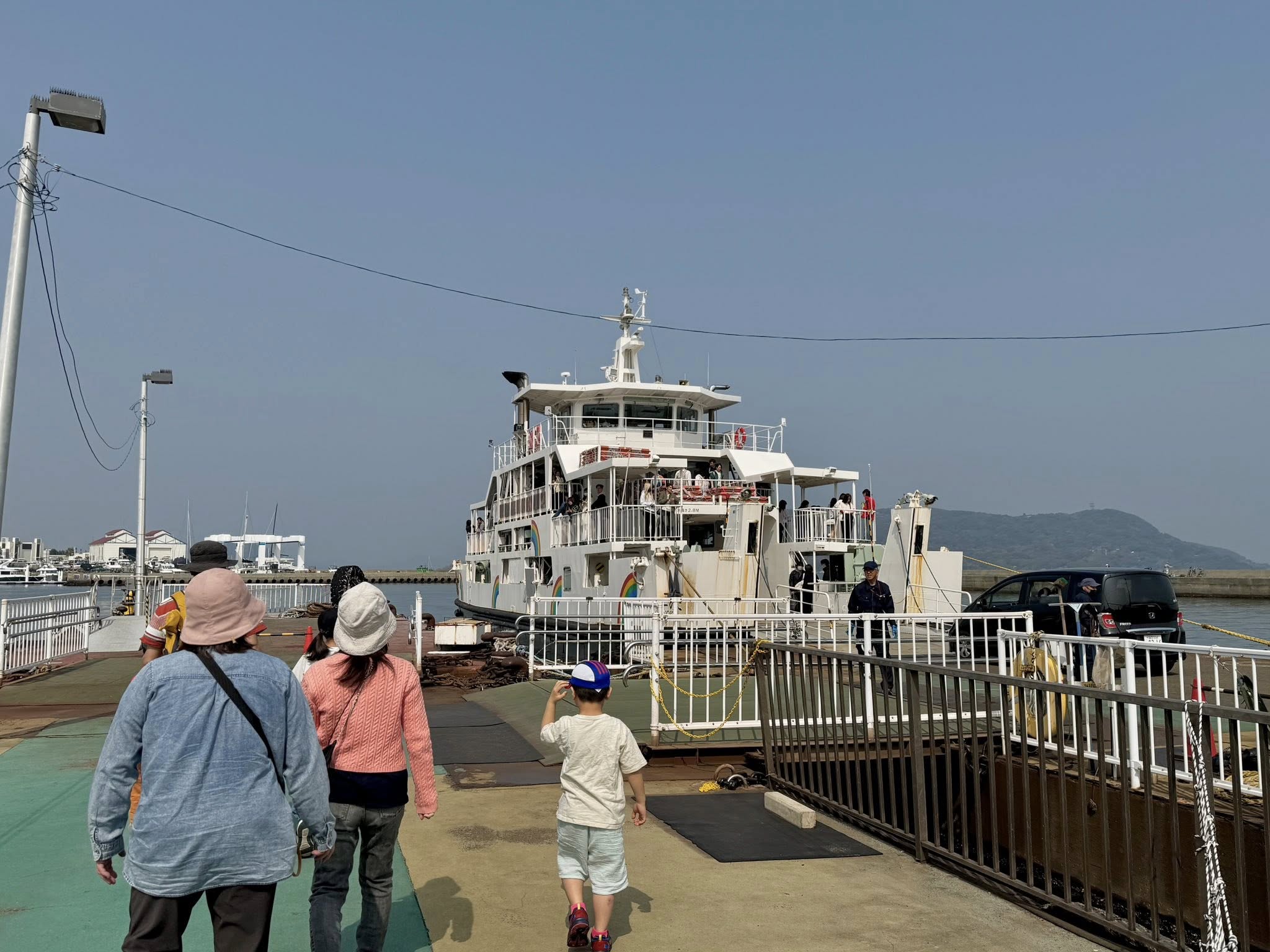
At the ferry terminal, purchase your ticket from the machine. I suggest getting a roundtrip ticket to save time later. After that, line up for the ferry, which takes about 10–15 minutes to reach the island.
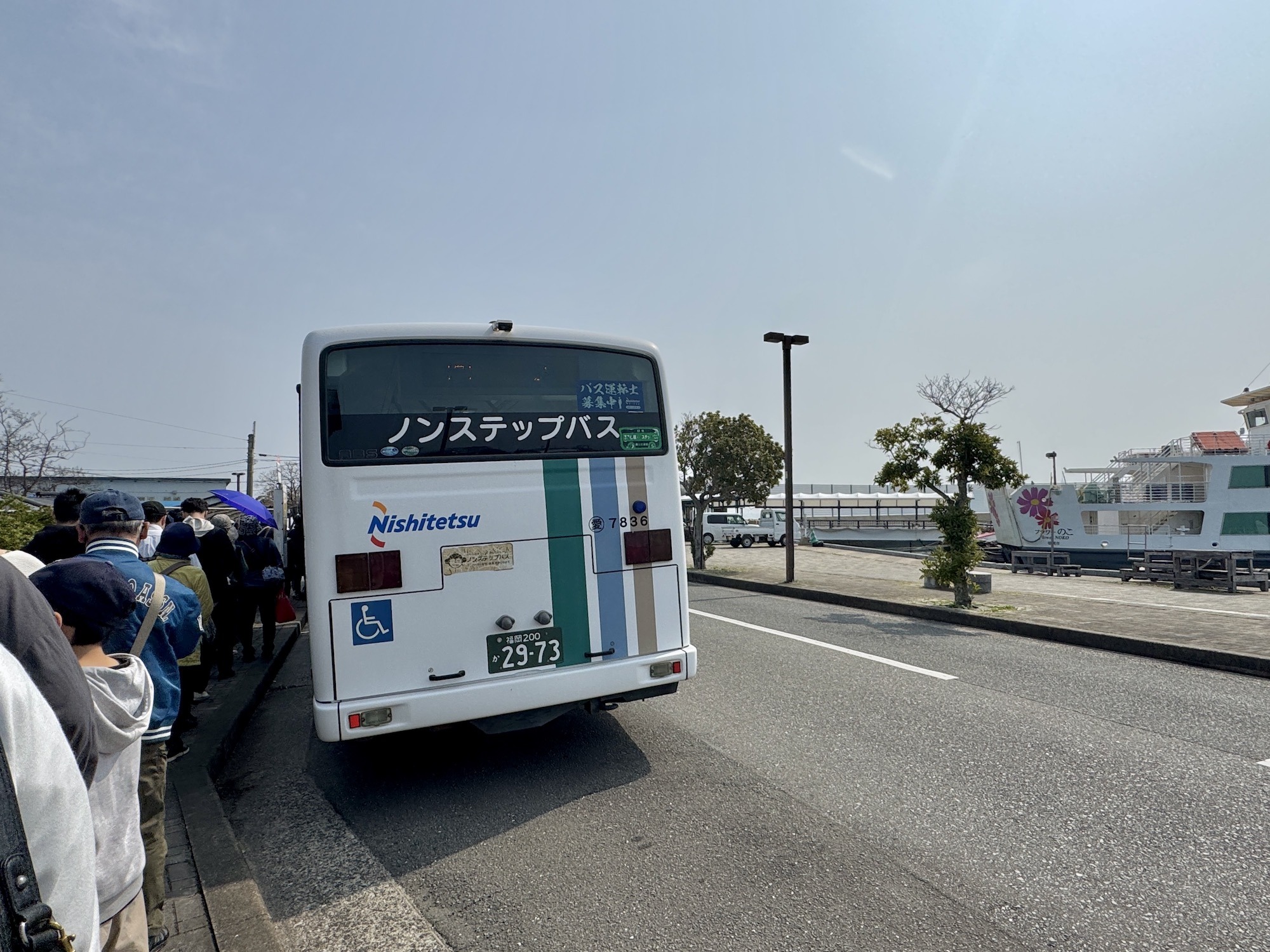
Once you arrive, there is a local bus that takes you directly to the park entrance, which takes another 10–15 minutes.
2nd Stop: Pasalubong Shopping + Dinner at Hakata Issou (Nakasu Branch)
We left Nokonoshima Island Park at around 2:00 PM and caught the 3:00 PM ferry back to Meinohama Station. We actually arrived early for the 3:00 PM trip, so there was still time to eat, but we were already full.
If you prefer to skip dining inside the park, you can eat at Noko Ferry Terminal instead and try the Noko Burger. As for us, we just stayed inside the terminal and waited for our ferry. The whole trip back to our hostel took about an hour, including the ferry ride, bus to Meinohama Station, train ride to Higashi-Hie Station, and a short walk to Montan Hakata.
In the evening, after getting some rest, we headed out to a nearby drugstore, Drug Eleven, to buy pasalubong and a few things to bring back home to Manila. After dropping everything off at the hotel, we walked about 5 minutes to Hakata Issou Nakasu Branch, one of the most popular ramen spots in Fukuoka.
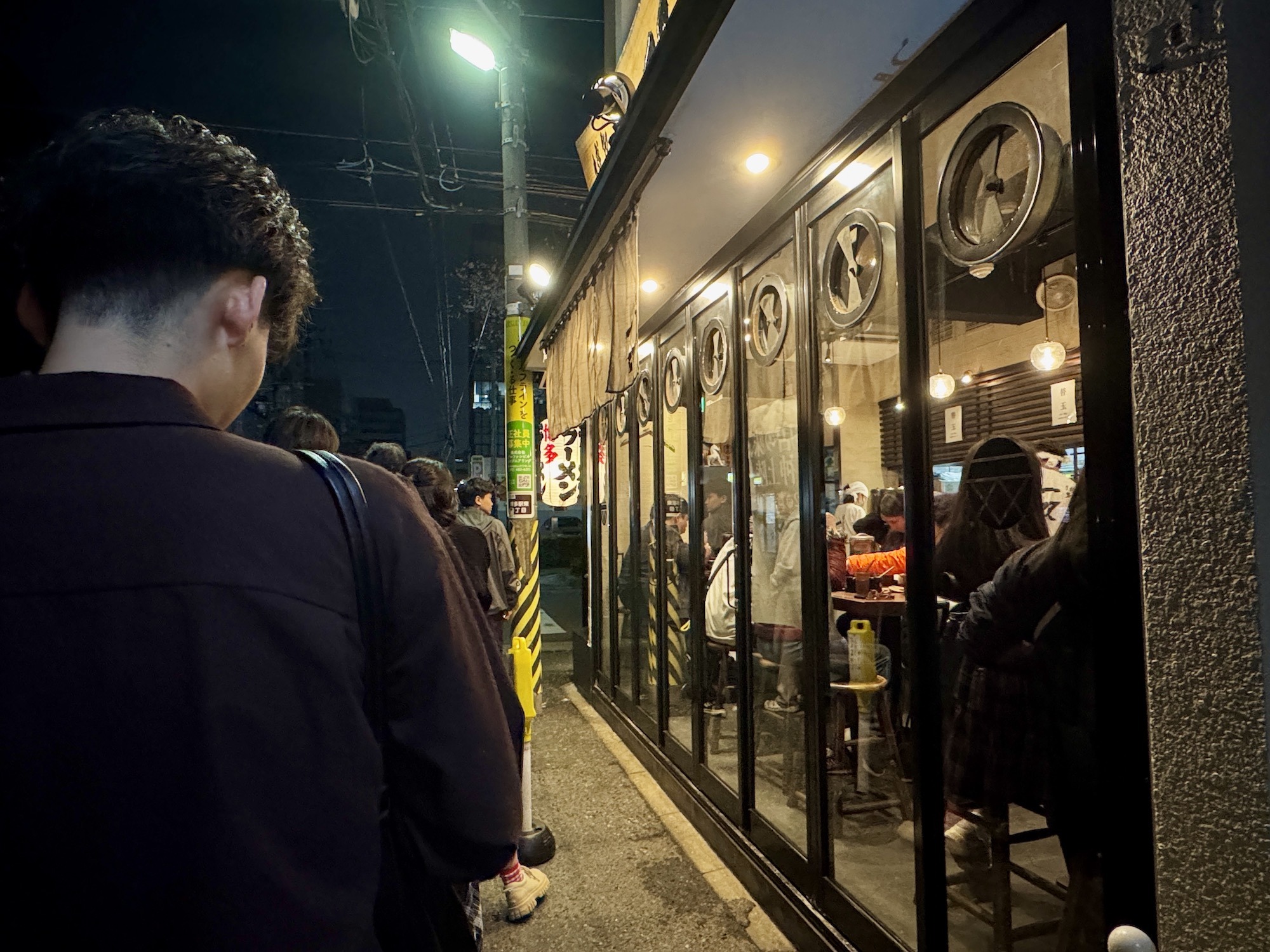
The queue was quite long, but manageable. One tip: if you’re planning to line up, don’t come too hungry.
As for the food, it’s good. I’d definitely come back, though I might try Shin Shin Ramen next time for comparison. I was actually surprised that I finished my whole bowl, since I usually can’t. We ordered the braised pork ramen with egg.
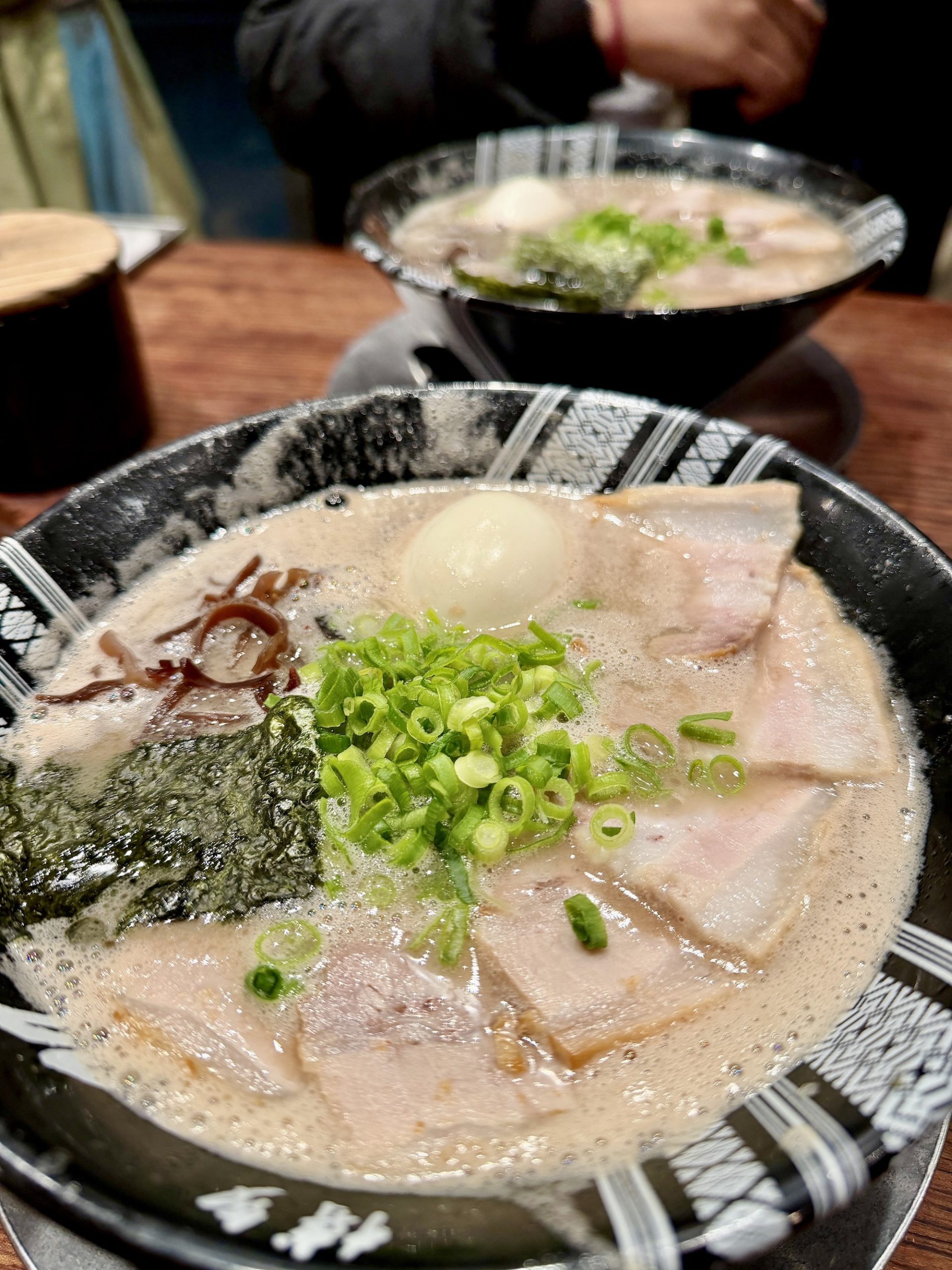
Verdict: It’s worth trying, especially if you’re curious about rich tonkotsu ramen. Just be prepared for the queue and the strong smell inside.
Optional: Naka River + Yatai Experience
We originally planned to visit Naka River, try one of the yatai stalls, and catch the dance performance at the main Ichiran Ramen Main Shop at 8:00 PM.
But at that point, we were already tired and didn’t want to push ourselves. We decided to rest instead since we had another early start the next day.
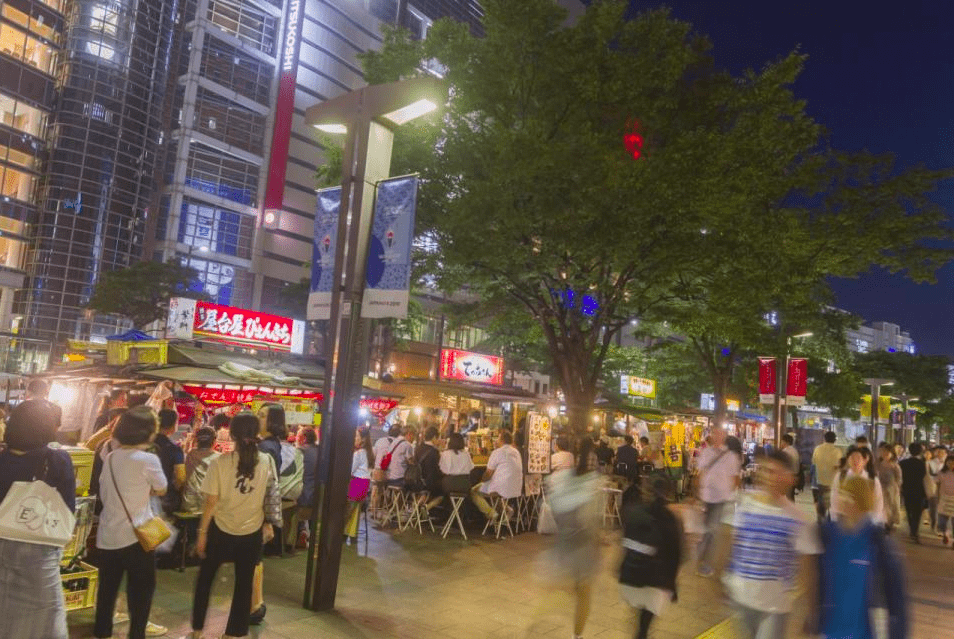
If you have the energy, though, I’d still recommend going. Eating at the yatai stalls by the river is a very local experience and something Fukuoka is known for.
How to get there: From Montan Hakata, walk about 3 minutes to Higashi-Hie Station, then take the Subway Airport Line (Orange Line) and get off at Nakasu-Kawabata Station. Exit via Exit 1.
DAY 3
We woke up early and left Montan Hakata at around 7:45 AM for our Klook tour meet-up at a Lawson located outside the Oriental Hotel Fukuoka, just beside Hakata Station. We left early to grab some breakfast from Lawson before our 8:45 AM meet-up. Our tour operator was JB Travel and our tour guide was Ting, who created a WhatsApp group for all tour joiners days before our tour, for easier coordination.
The Klook tour costs Php 3,577 per person, excluding lunch and snacks.
1st Stop: Forest Cafe Midori No Oto
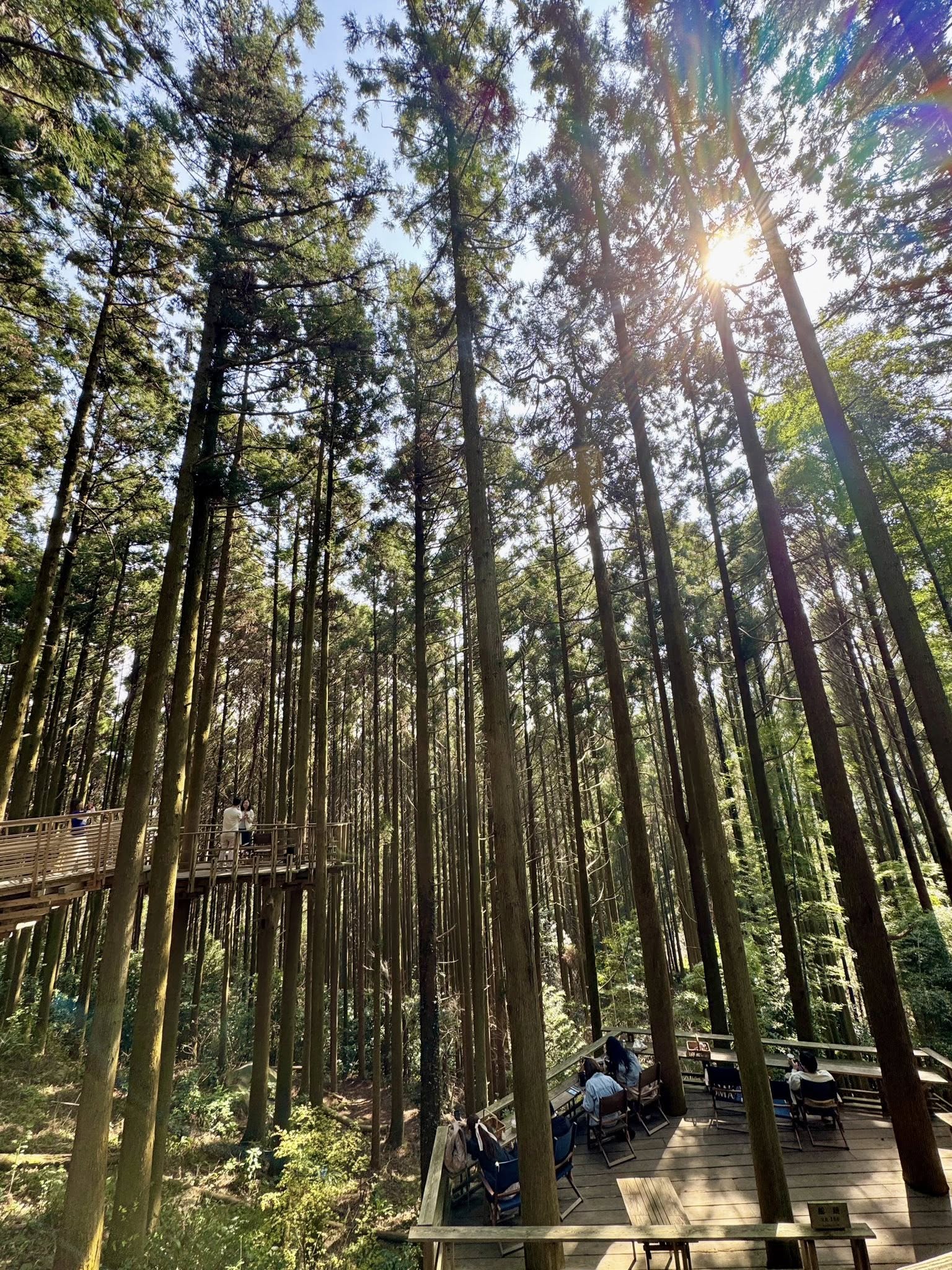
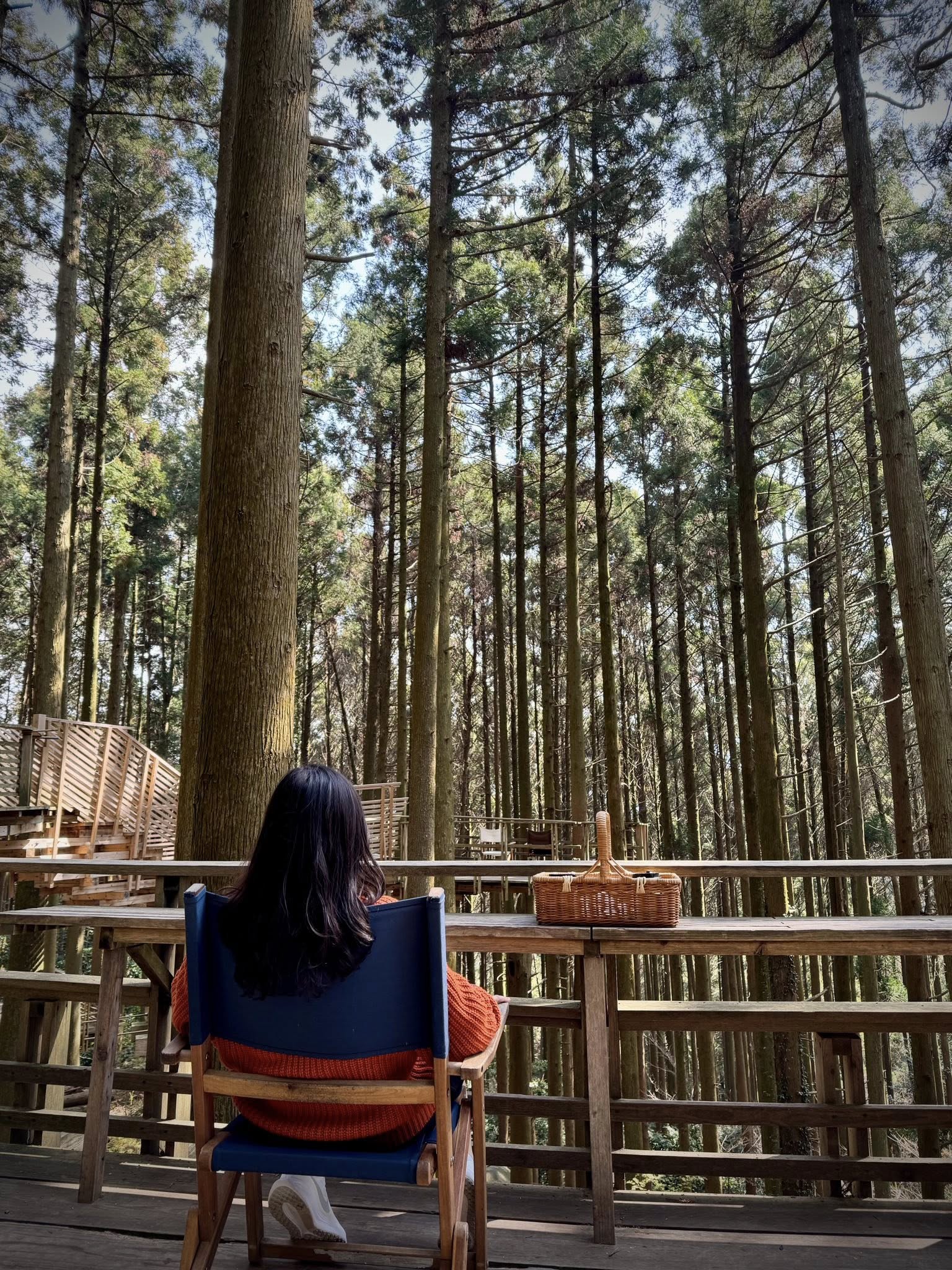
This rainforest café was the main reason I booked the tour. Since it’s quite far from Hakata, we didn’t want to stress ourselves figuring out the best and easiest transportation to this hidden cafe.
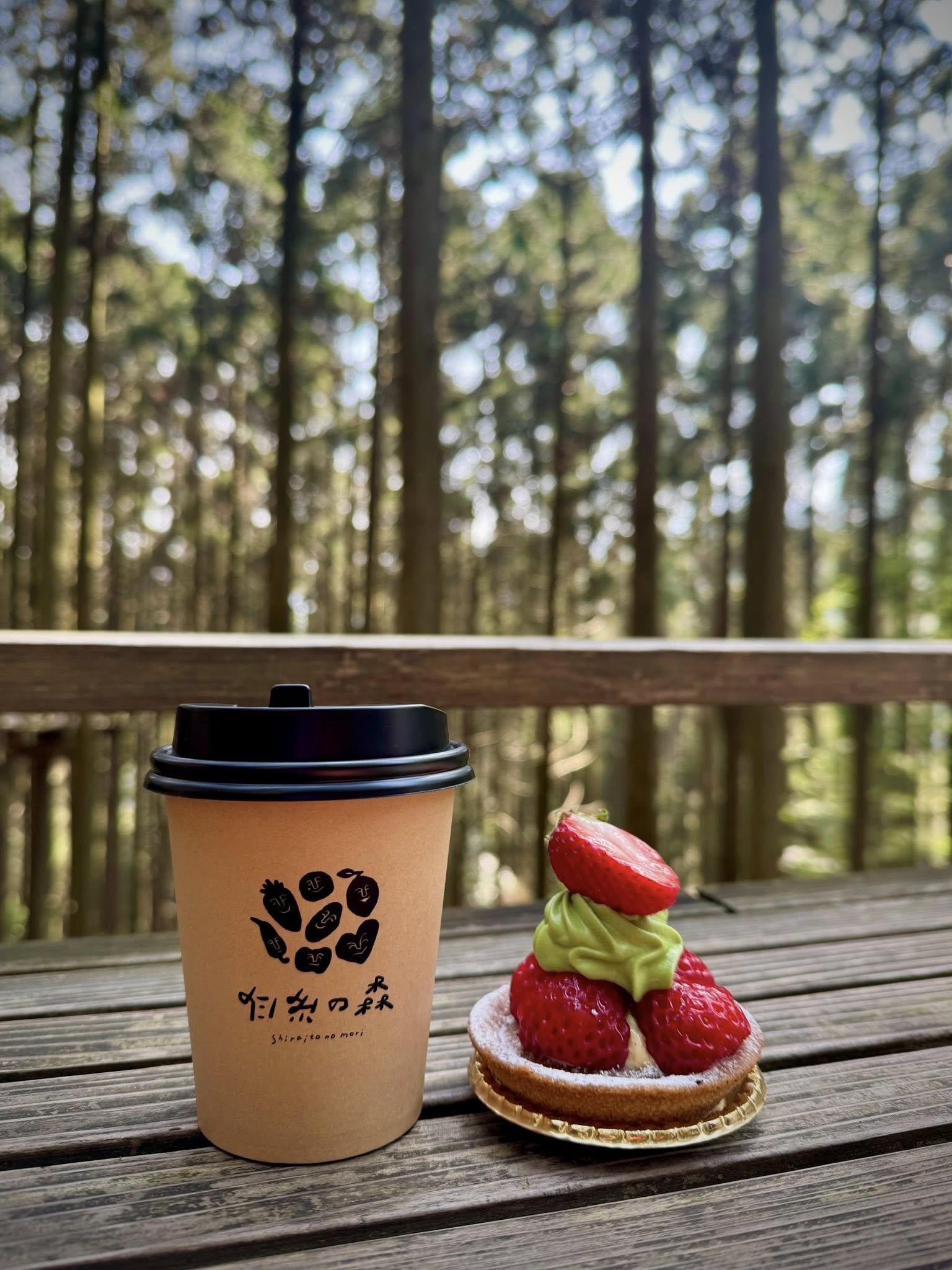
As expected, the place was very pretty and serene. Maybe because the café was still closed when we arrived. I guess that’s one of the perks of joining the tour, they opened the place early exclusively for us. Food and coffee were just okay, but you’re really there for the ambiance and overall experience, and happy to say it did not disappoint.
2nd Stop: Shiraito no Taki Falls
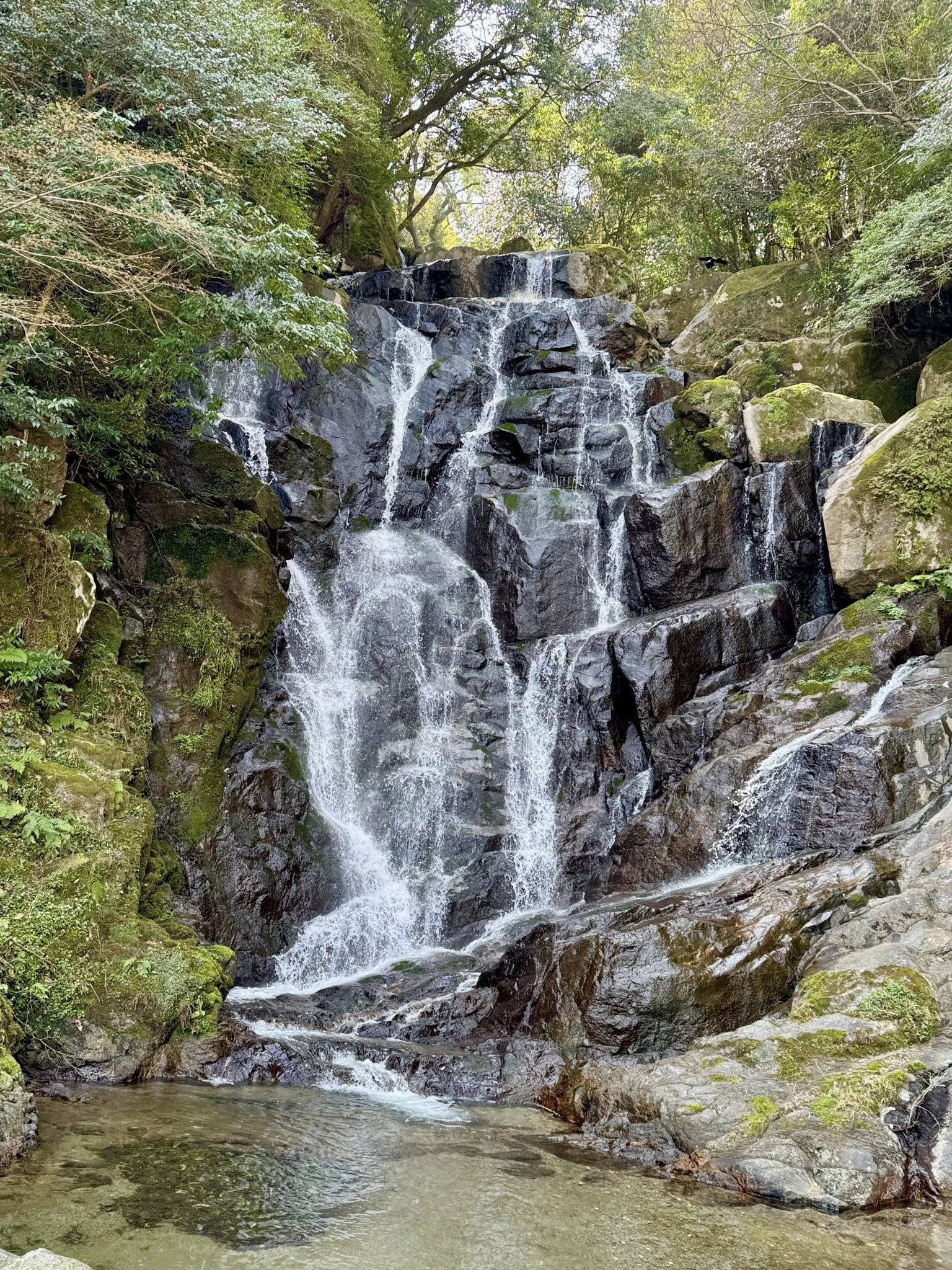
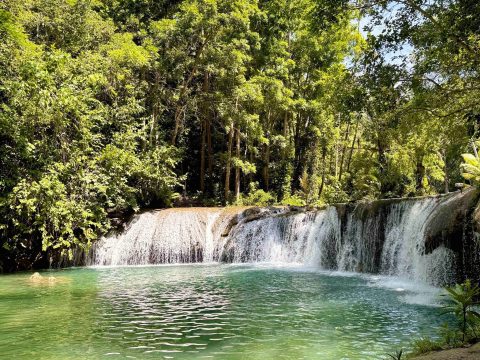
I’m not really into waterfalls, but since it was part of the tour, it felt like a nice bonus. Shiraito Falls is about 30 meters high. “Shiraito” means “white threads” in Japanese, which describes how the water flows down in thin, delicate streams. The falls is about a 10-minute drive from the café.
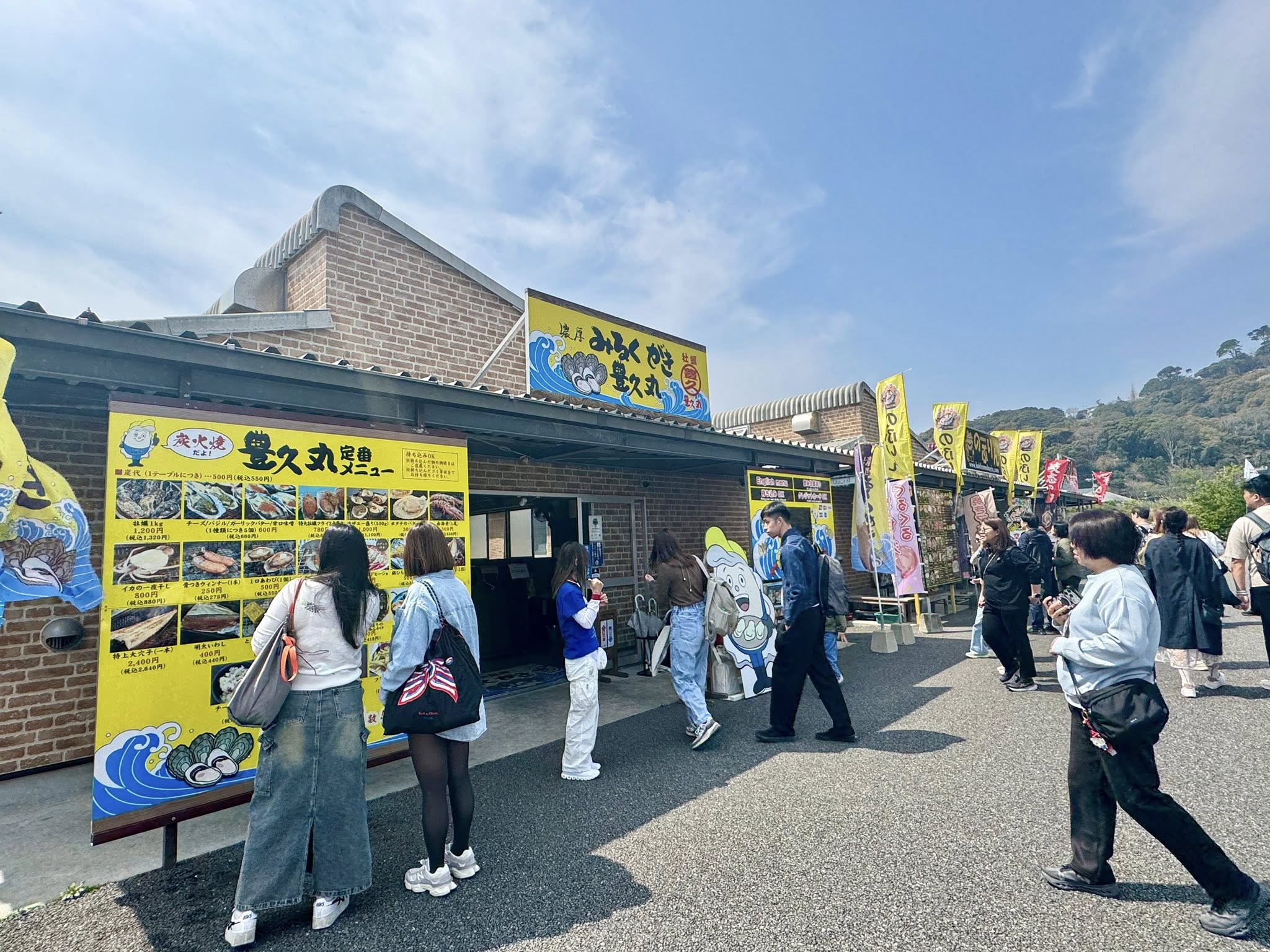
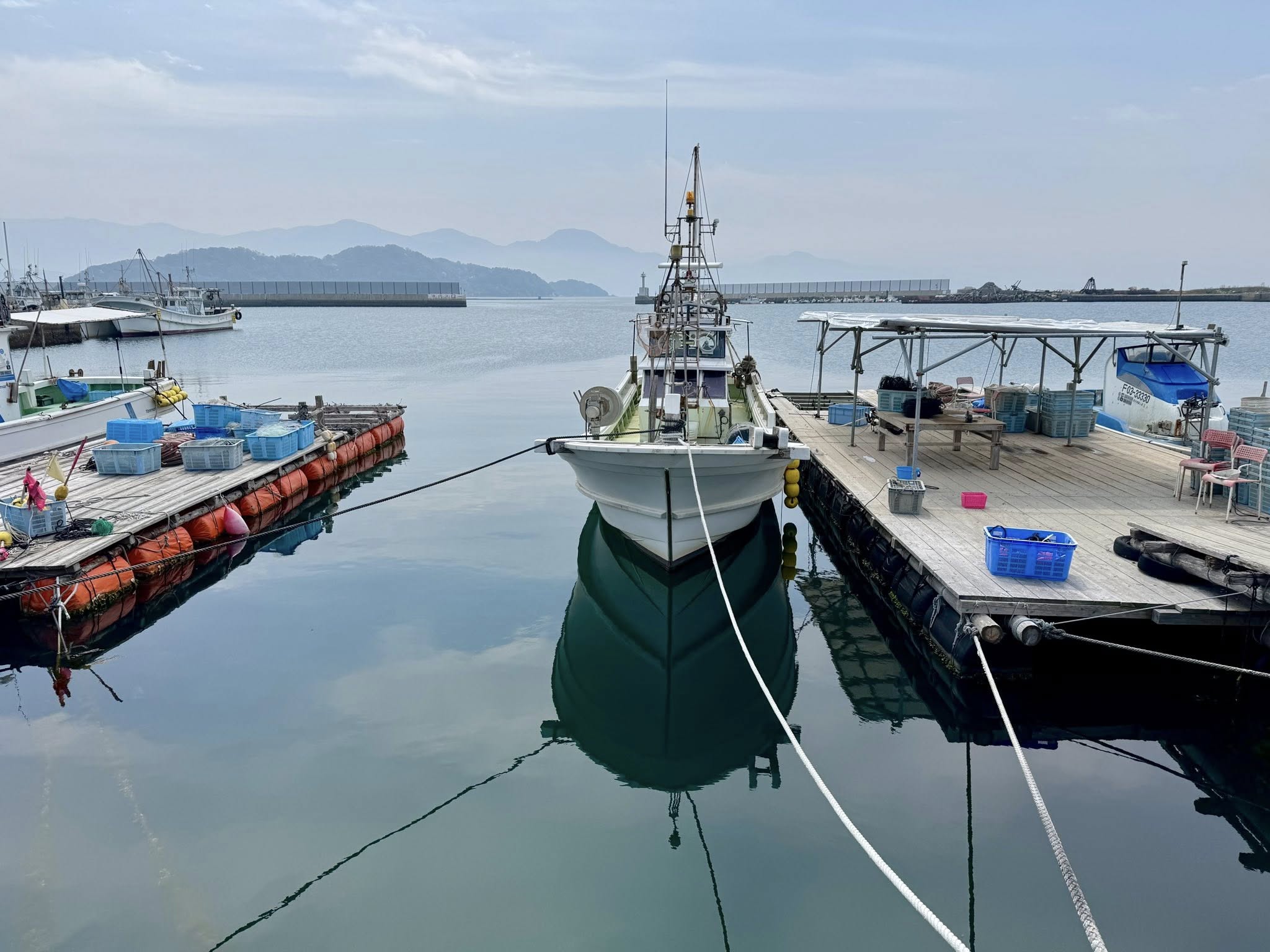
3rd Stop: Lunch at Kishi Fishing Port
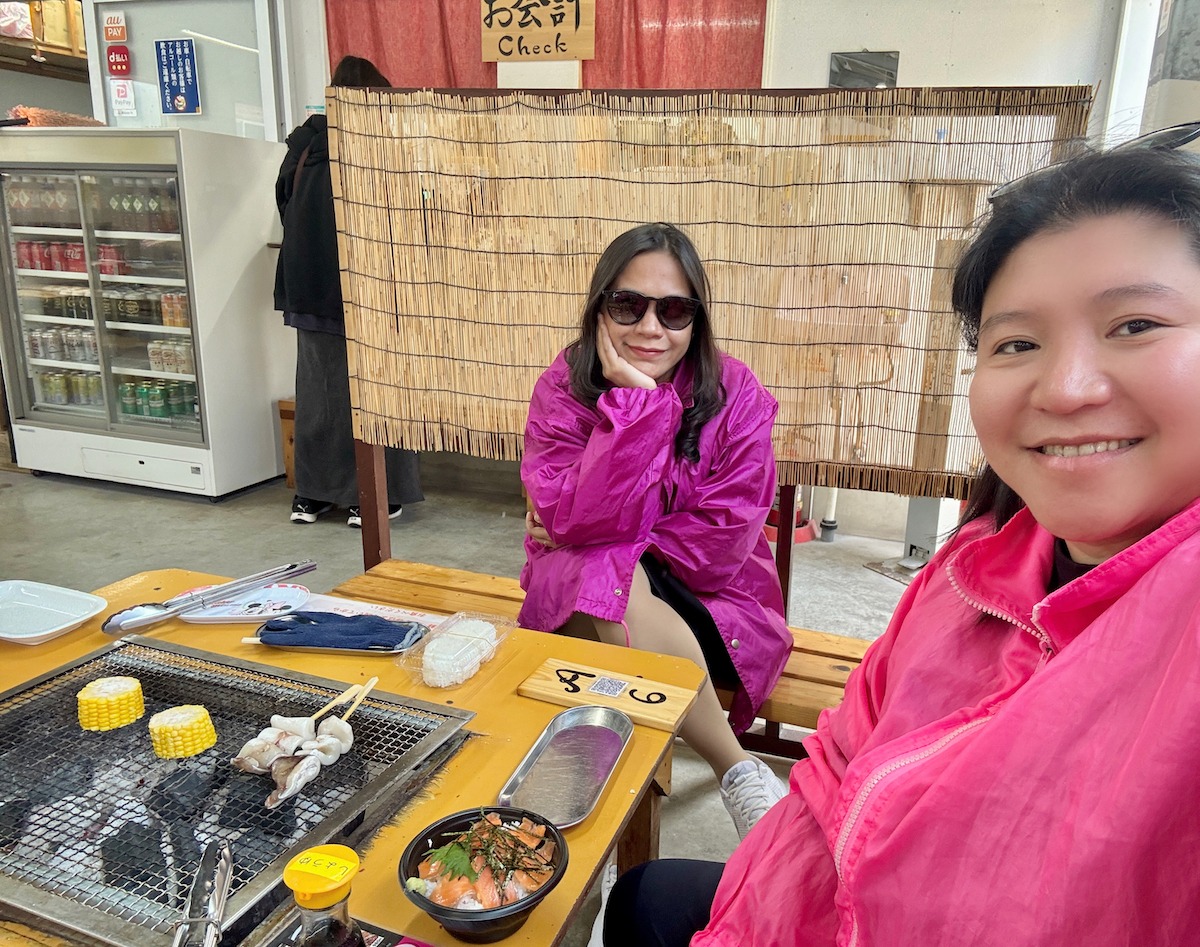
About a 40-minute drive from the falls brought us to Kishi Fishing Port for lunch. Meals are not included in the tour, so you’re free to choose where to eat.
Oyster season runs from November to March, and it’s very popular here, so most restaurants serve oysters. We skipped it since I don’t eat oyster, so we just ordered grilled squid and shrimp instead. After lunch, we walked around the port for a bit, while the others still eat, before heading to the next stop.
4th Stop: Handmade Sea-Salt Pudding
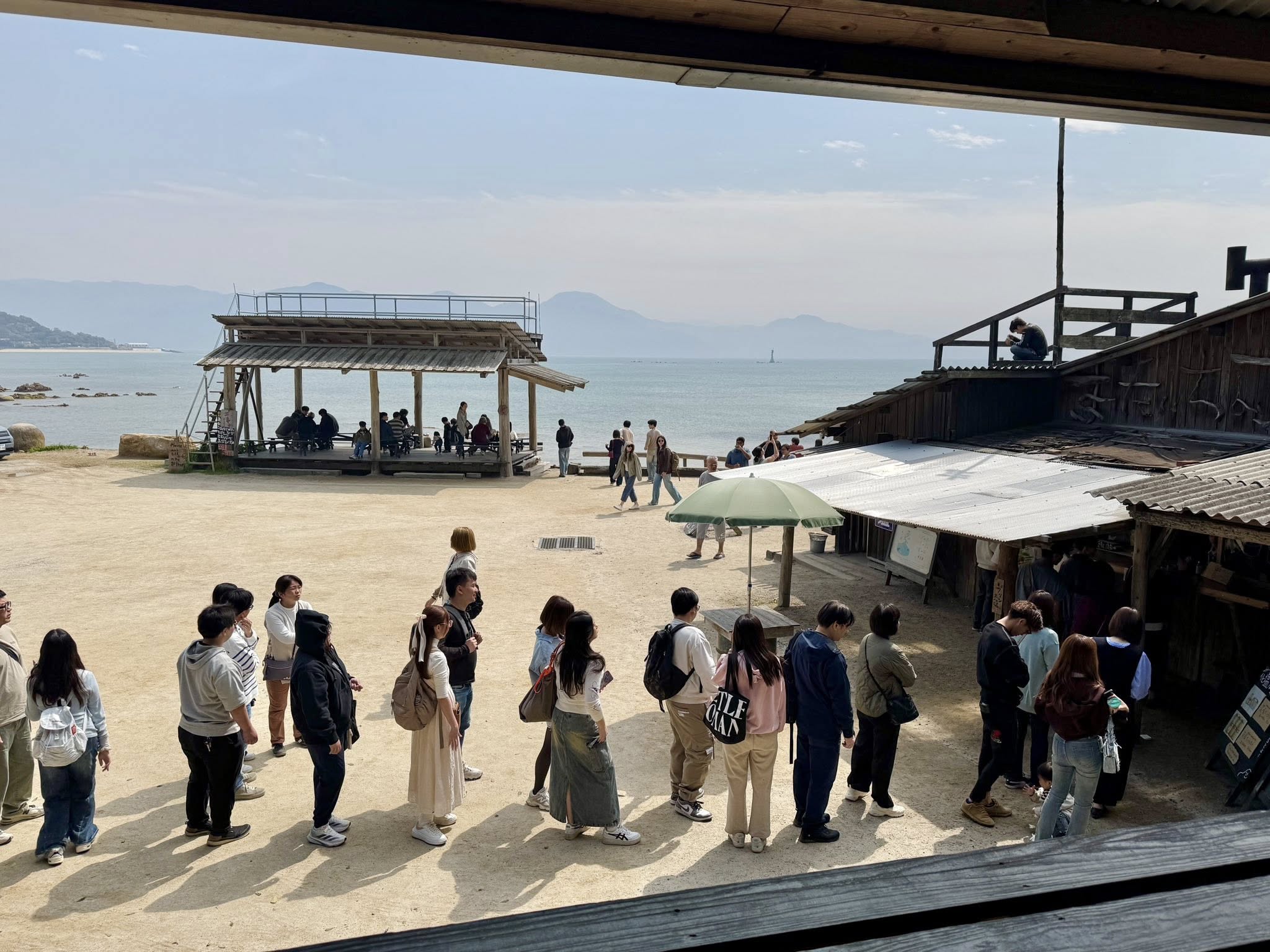
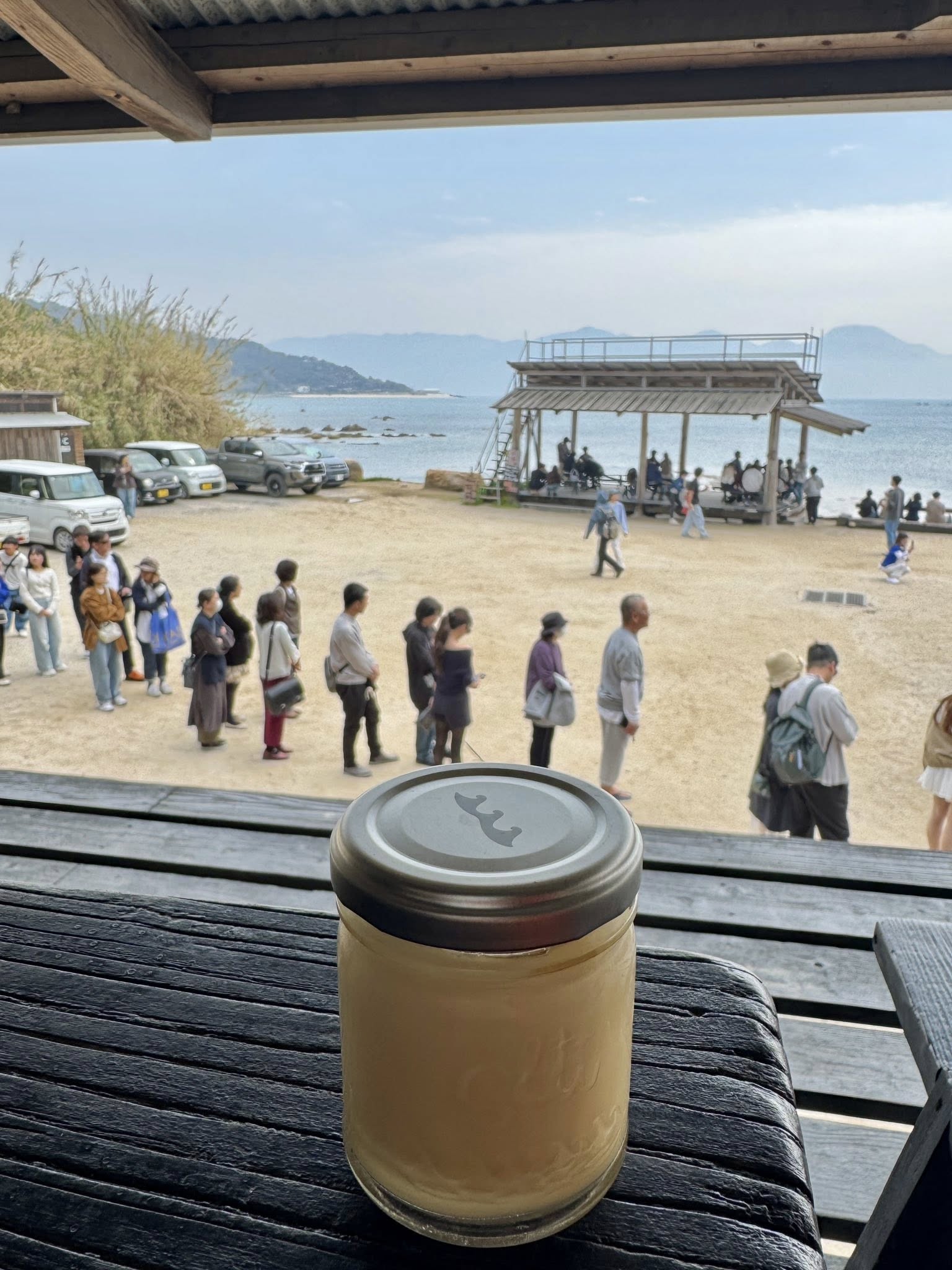
About a 10-minute drive from the fishing port, we stopped by a place known for its handmade sea-salt pudding. It’s a traditional salt-making area where you can see part of the process in making their famous pudding.
They have small sheds where you can enjoy your dessert while overlooking the ocean. The breeze and view made it a really nice stop. Each small pudding jar costs around ¥540.
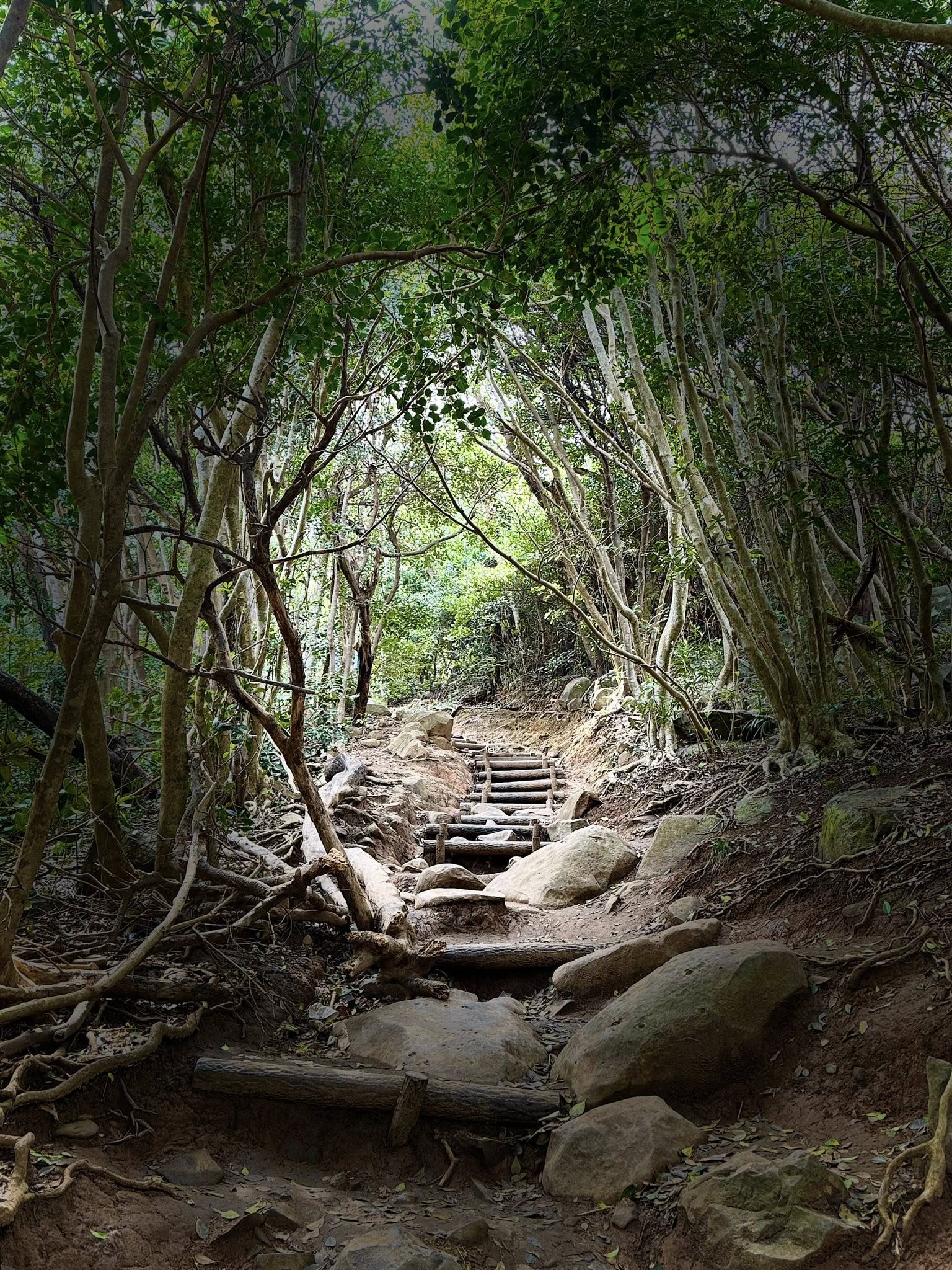
5th Stop: Totoro Forest + Keya no Oto
Surprisingly, the entrance was quite nice. It felt like a hidden spot near the sea, with a tree-lined path that reminded me of scenes from My Neighbor Totoro. There were a lot of people though, so getting a clean photo took some patience.
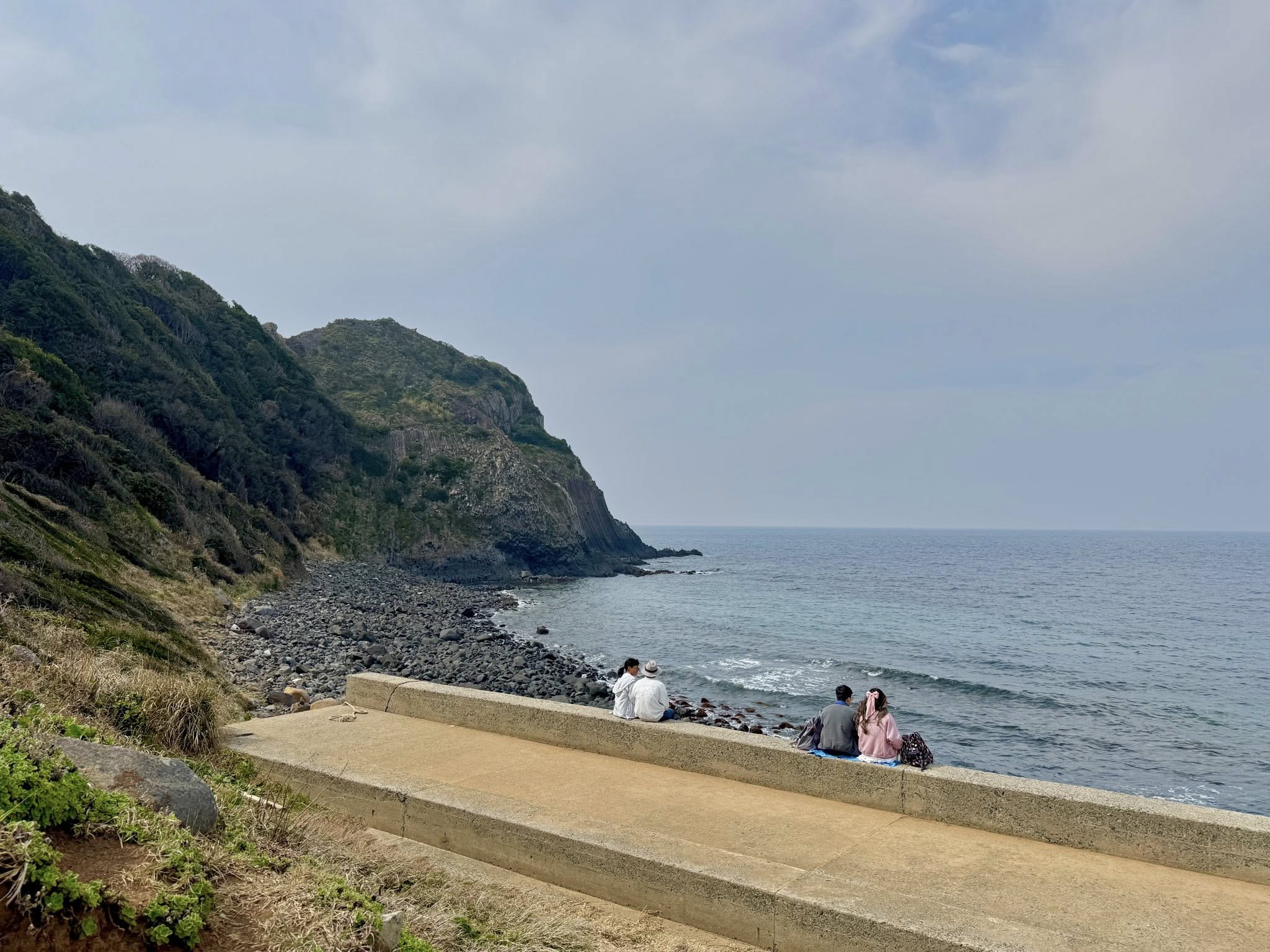
There’s not much to see at the top so we skipped it. After taking a few photos, we headed back and checked out Keya no Oto, a scenic coastal viewpoint known for its natural hexagonal rock formations, one of the largest in Japan.
6th Stop: Sakurai Futamigaura + Palm Beach
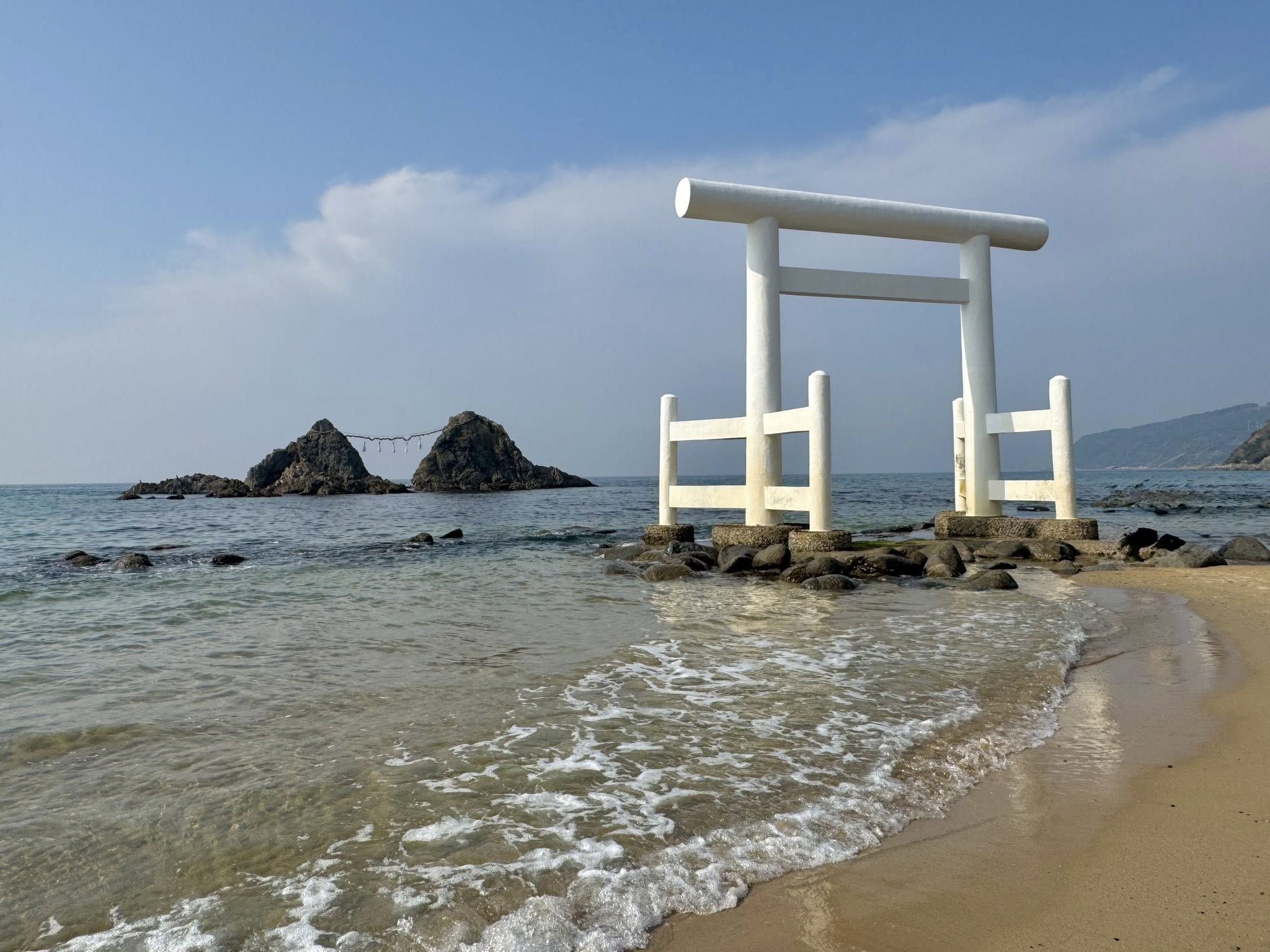
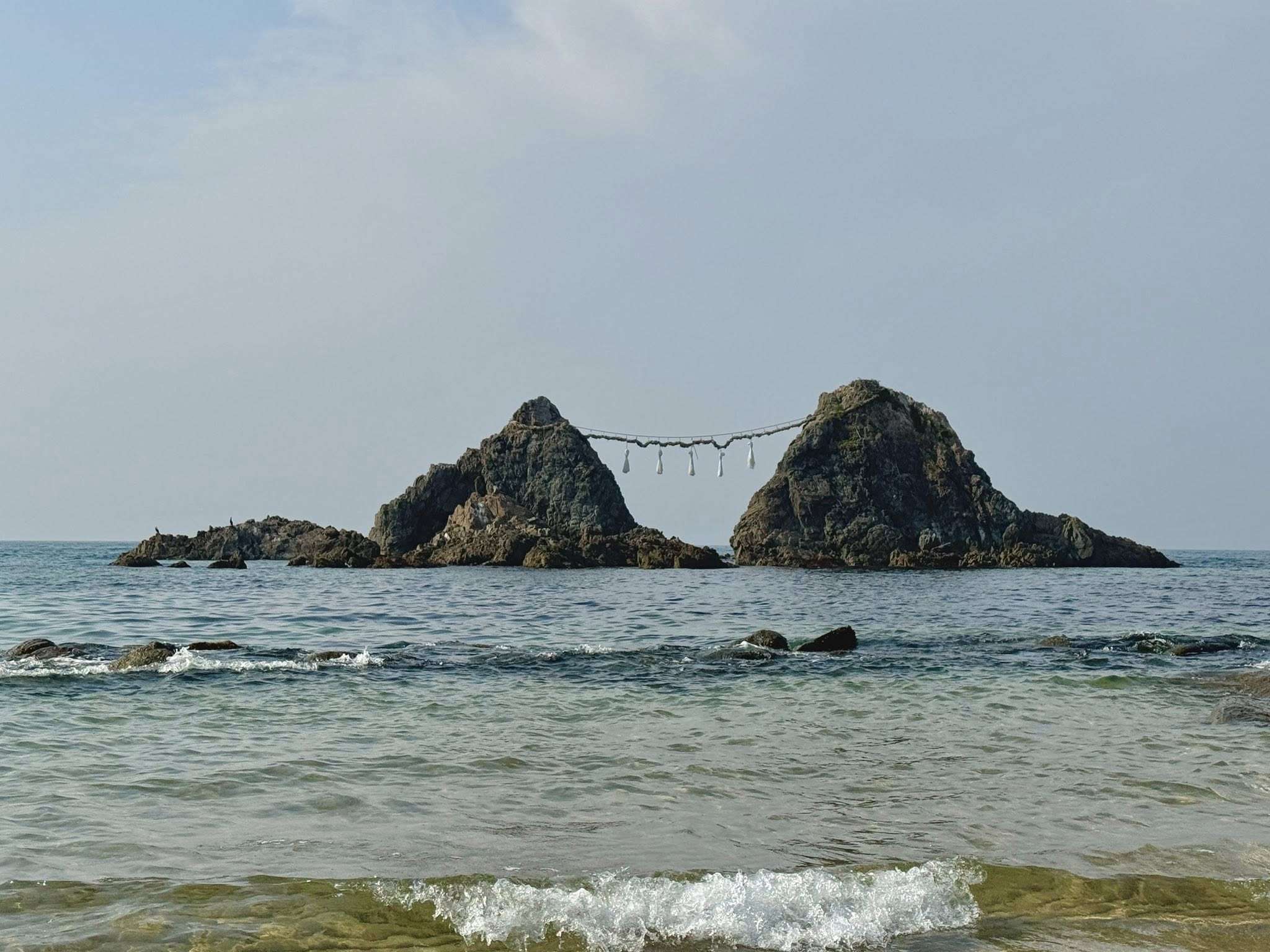
If you’re only visiting the famous white torii gate and the couple rocks, there are several ways to get there. Had we followed our original plan, we would’ve just explored the area and spent time at nearby cafés, but we’ll probably save that for another trip.
The spot is especially popular during sunset, when the sun aligns perfectly between the torii gate and the couple rocks, depending on the season.
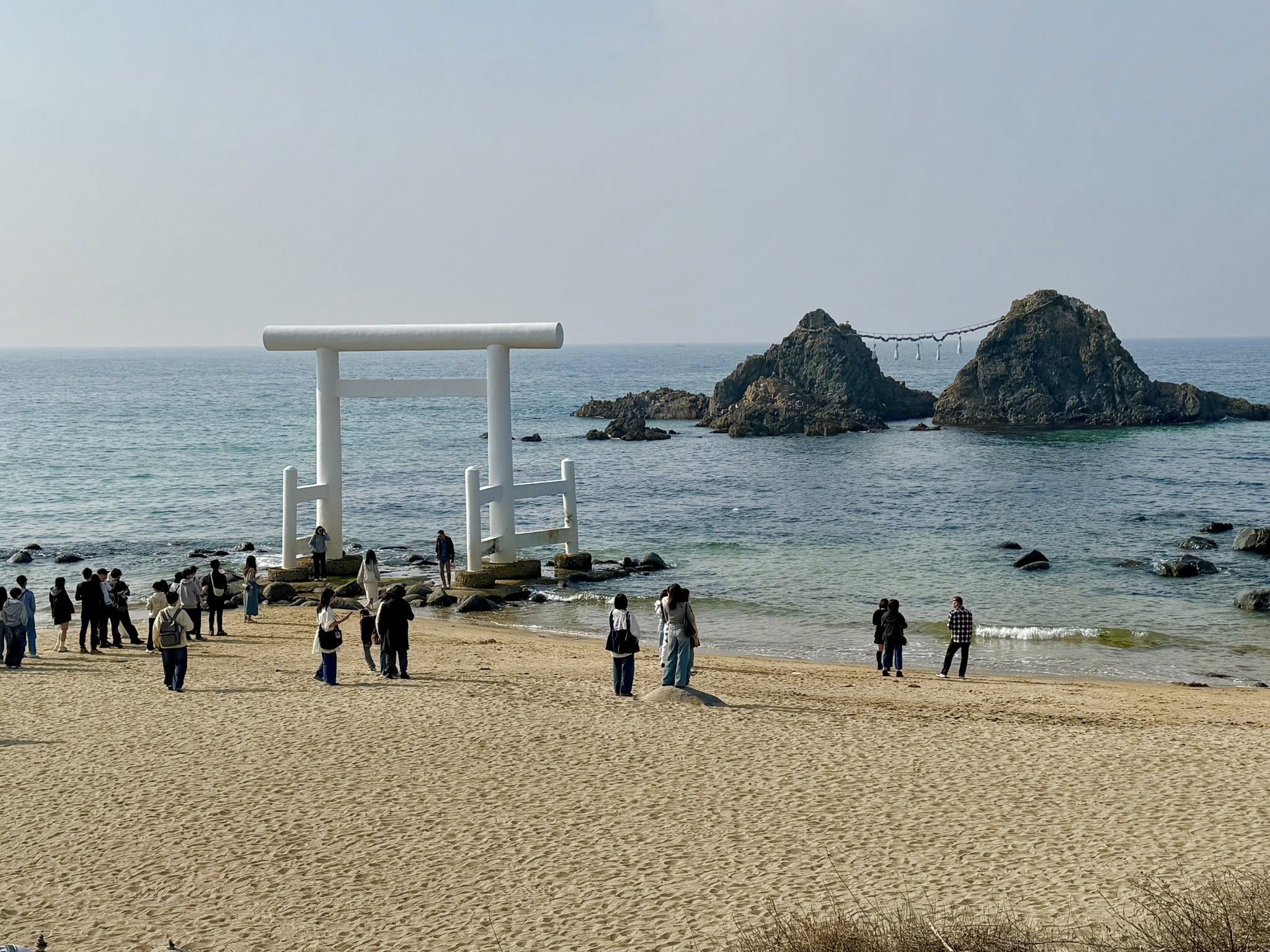
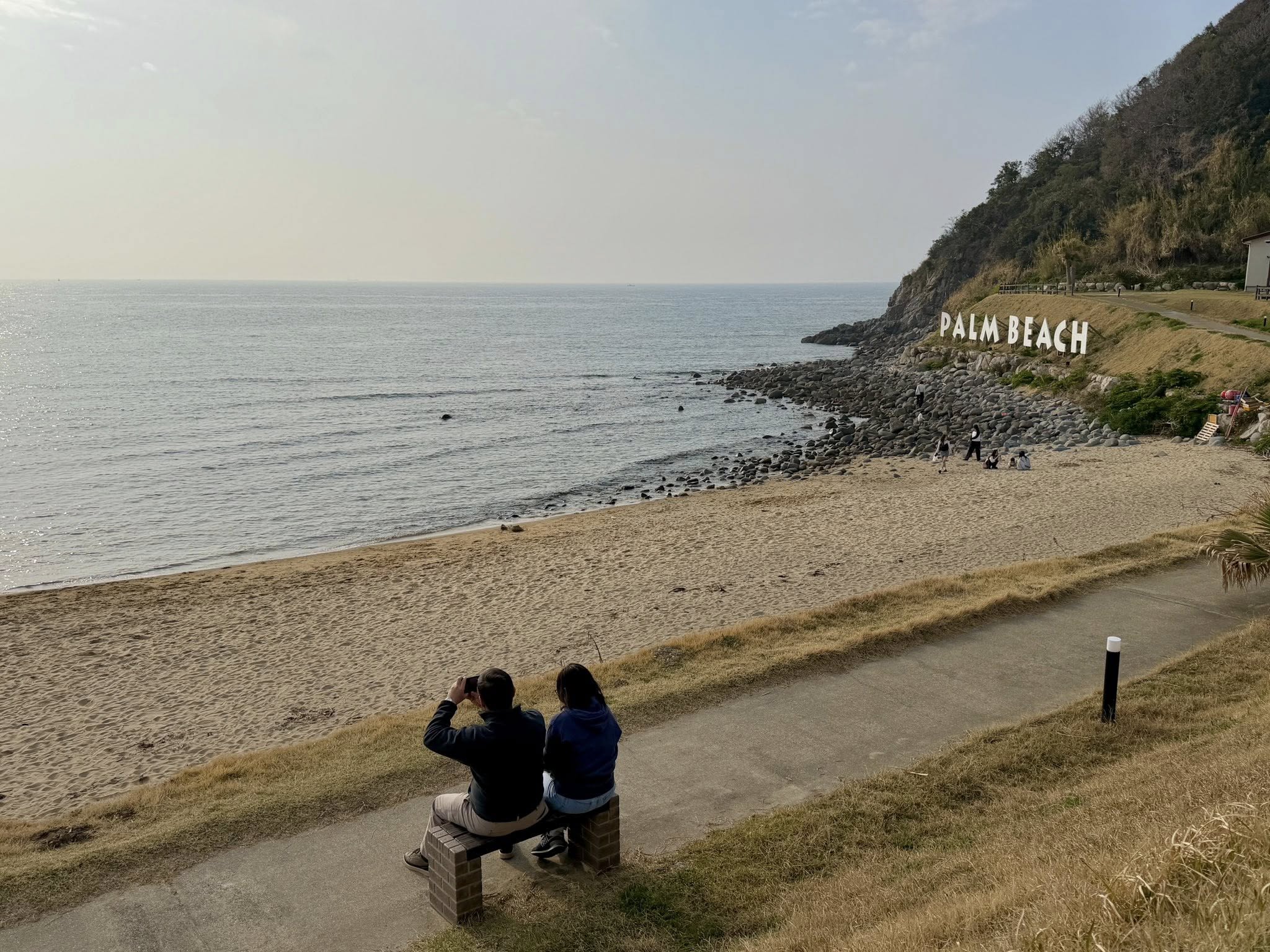
If you prefer a more relaxed stop, Palm Beach Itoshima is just a 5-minute walk away, where you can stroll along the sandy beach or the coastal road, then lounge or eat at nearby restaurants. We also saw a few people swimming, and it seems to be a popular surfing spot as well.
How to get here DIY? Visit Itoshima Now website.
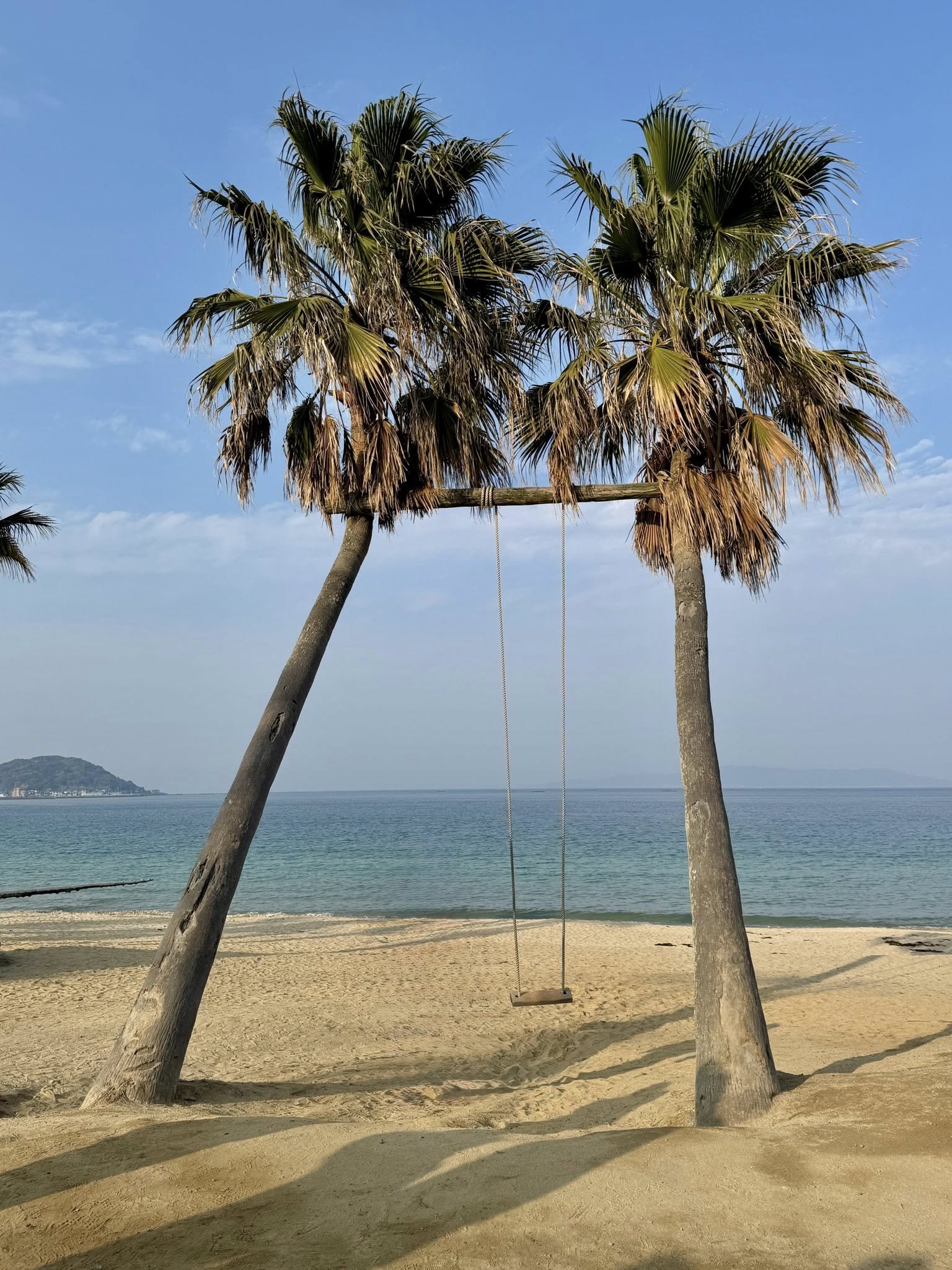
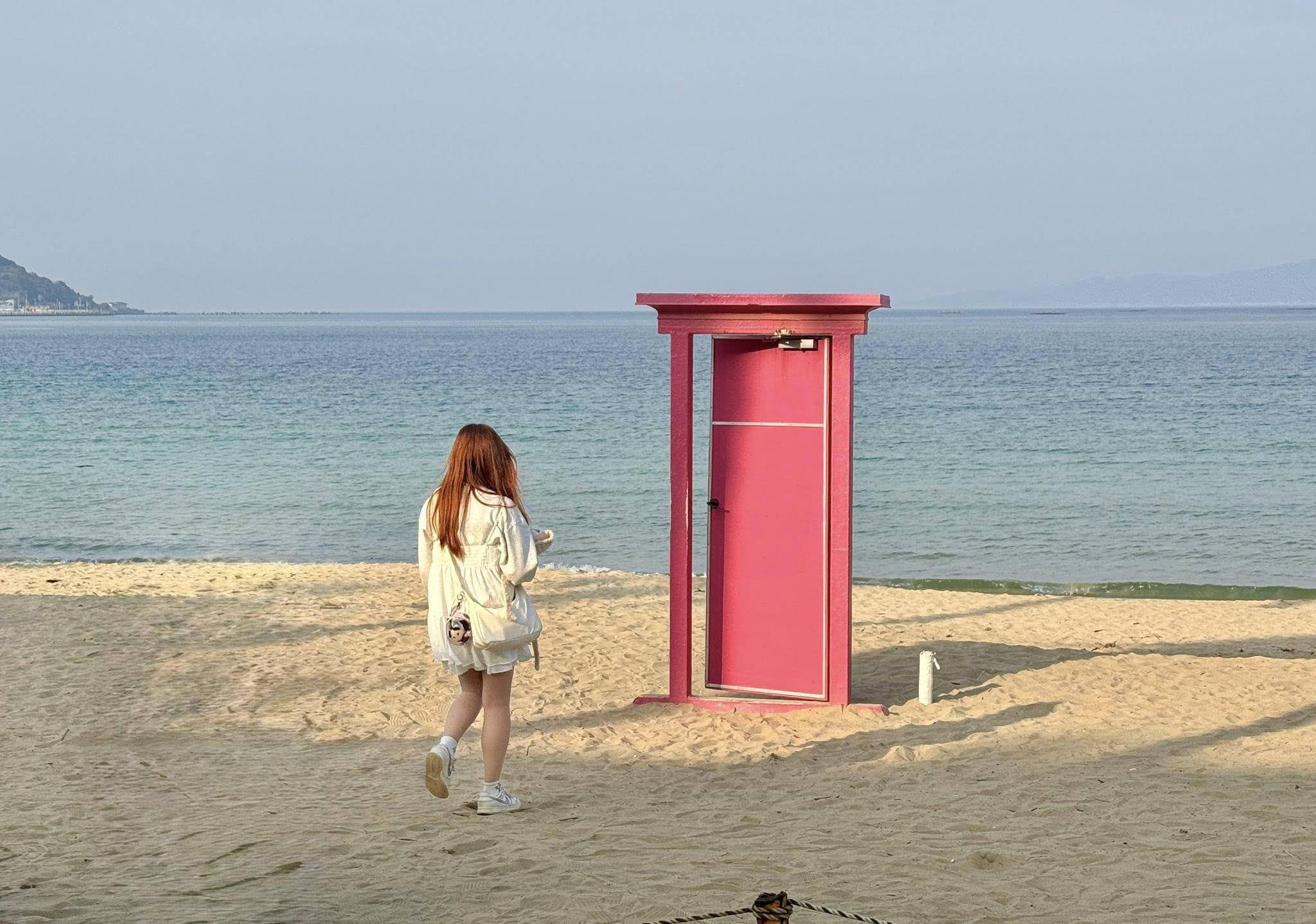
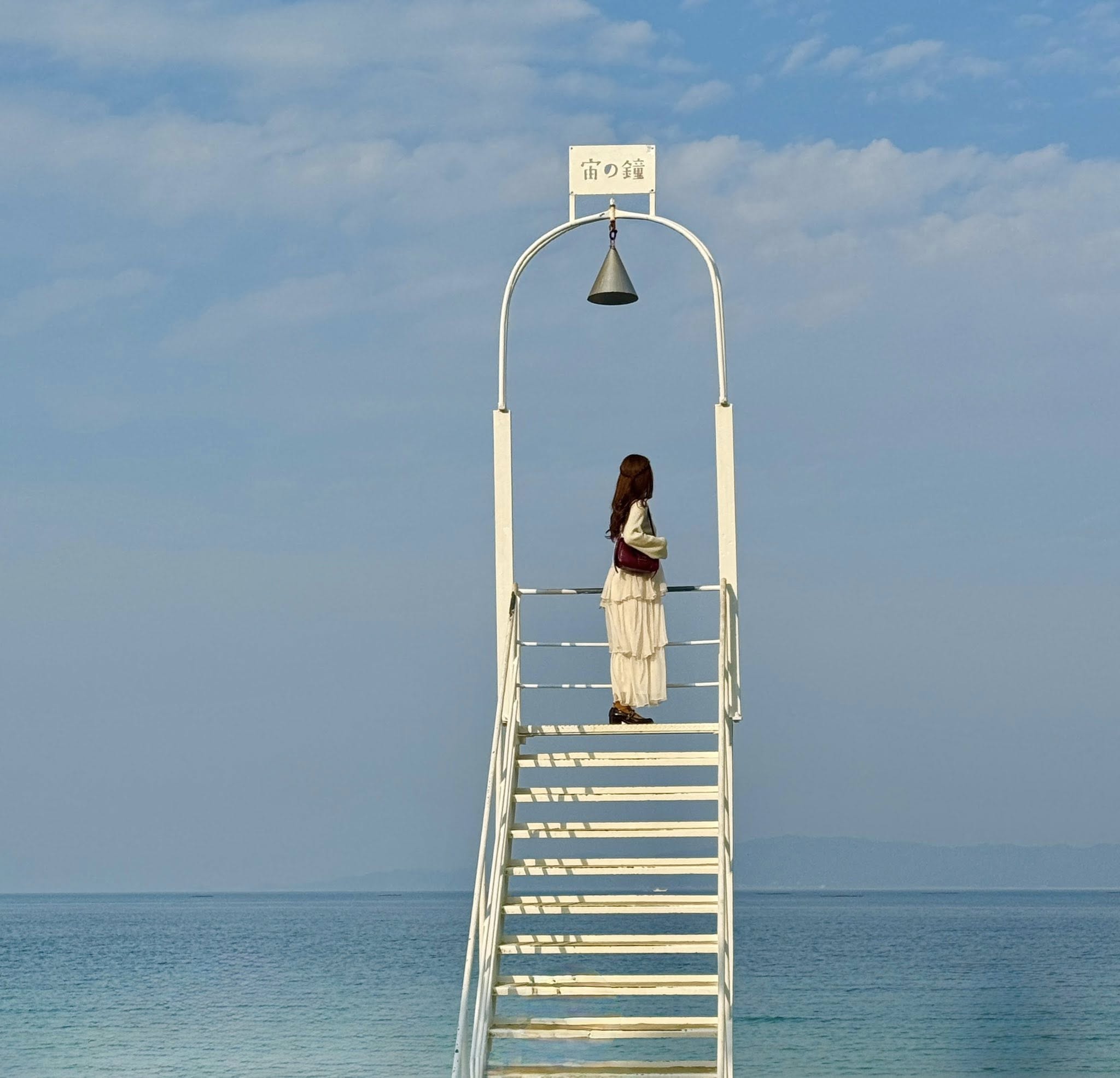
7th Stop: Palm Tree Swing and Activities
Maybe we were just tired at this point, but this was my least favorite stop. If I had the choice, I would’ve gone back to the city after Sakurai Futamigaura.
For me, this spot felt more like a place for photo ops and activities for kids or younger travelers.
8th Stop: Back to Hakata for Pasalubong + Dinner
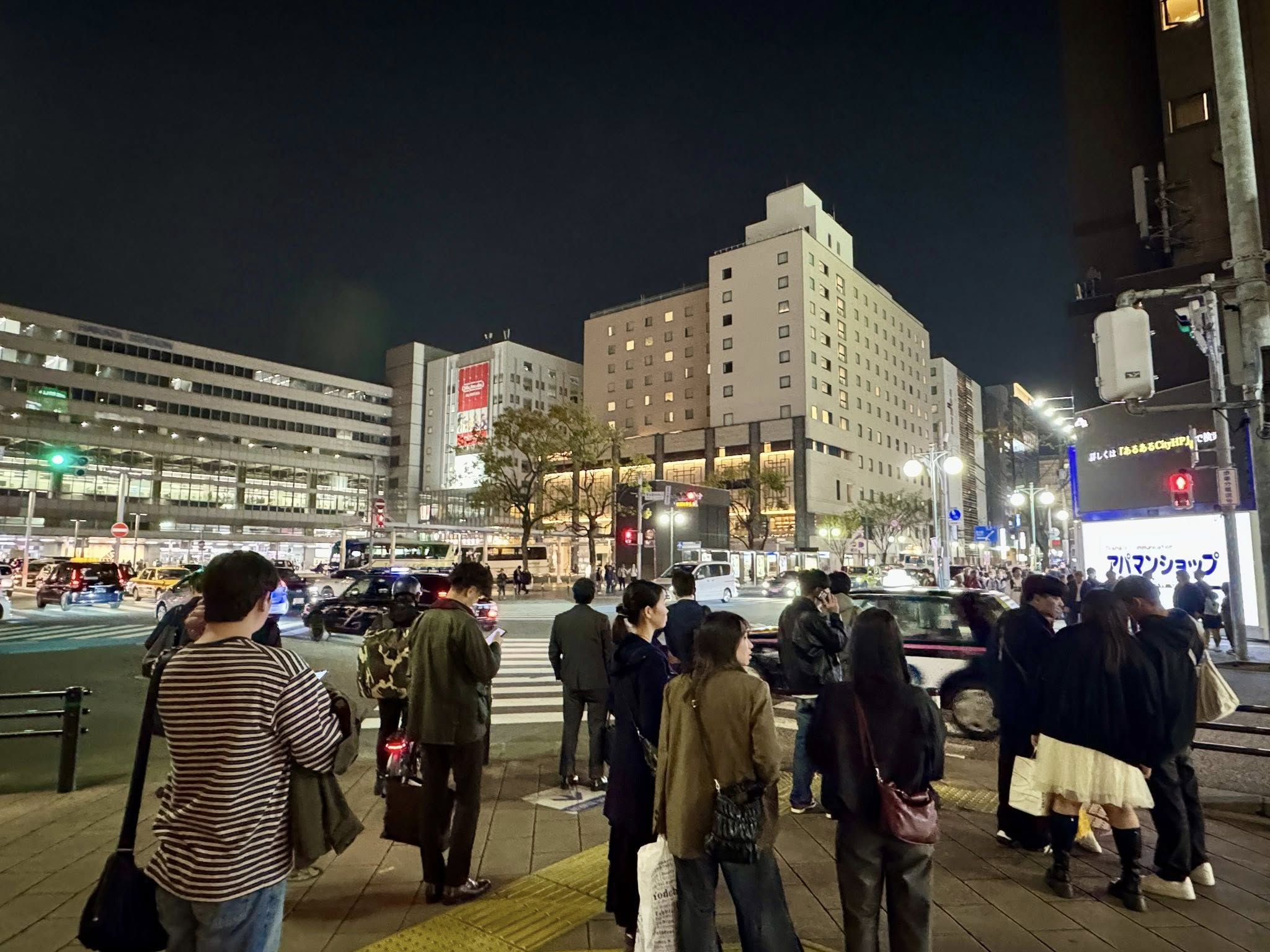
After about 30 minutes to an hour of travel, we were back at Hakata Station. We were dropped off just a few steps from the station, which worked out well since we also wanted to stop by Sugi Pharmacy for some last-minute pasalubong shopping.
We originally planned to try another yakitori place, but most options we saw were a bit pricey. So we ended up going back to Hakata Torikawa inside Hakata Station. Yes, our second time there.
DAY 4
1st Stop: Nishi Park
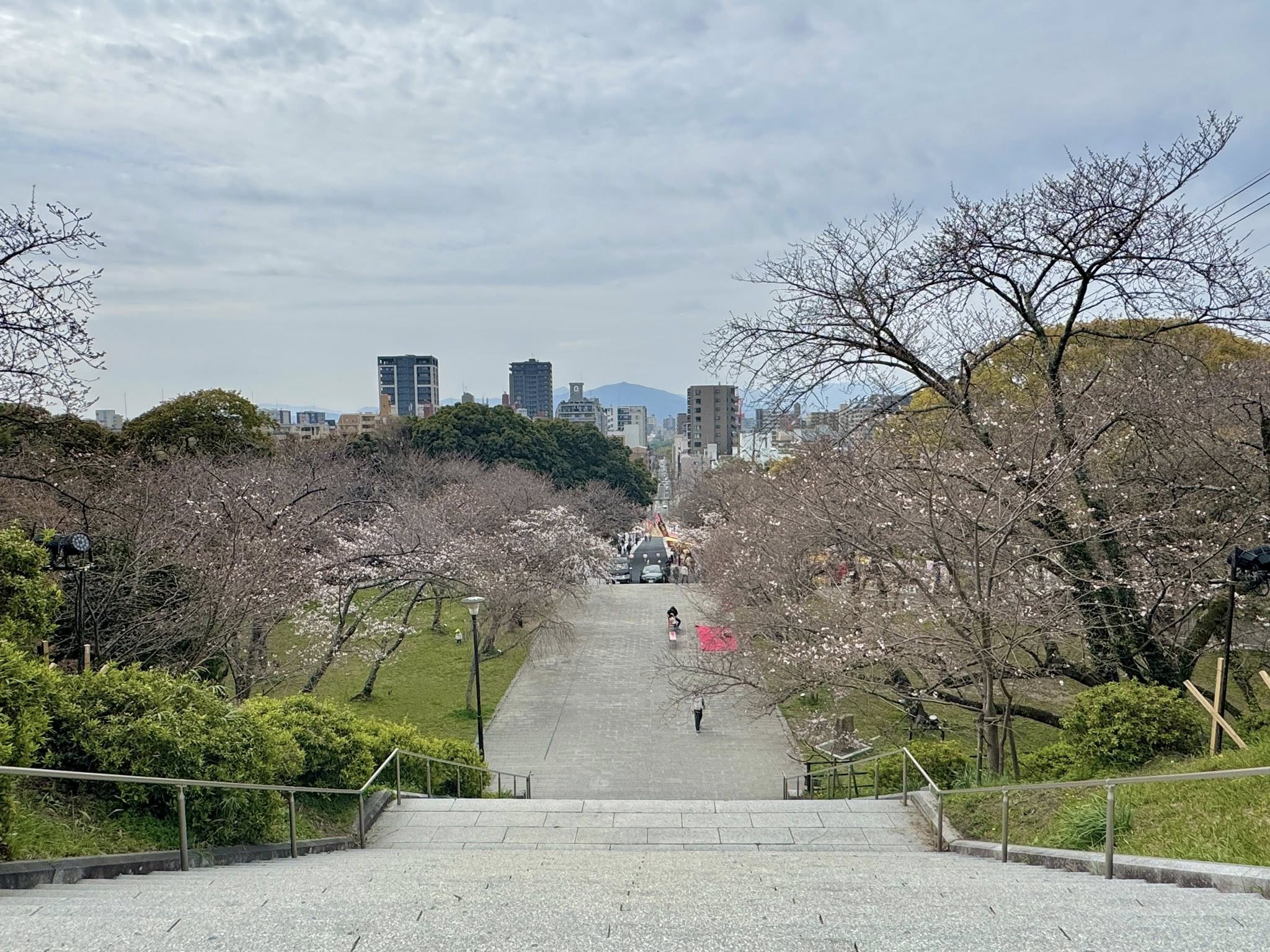
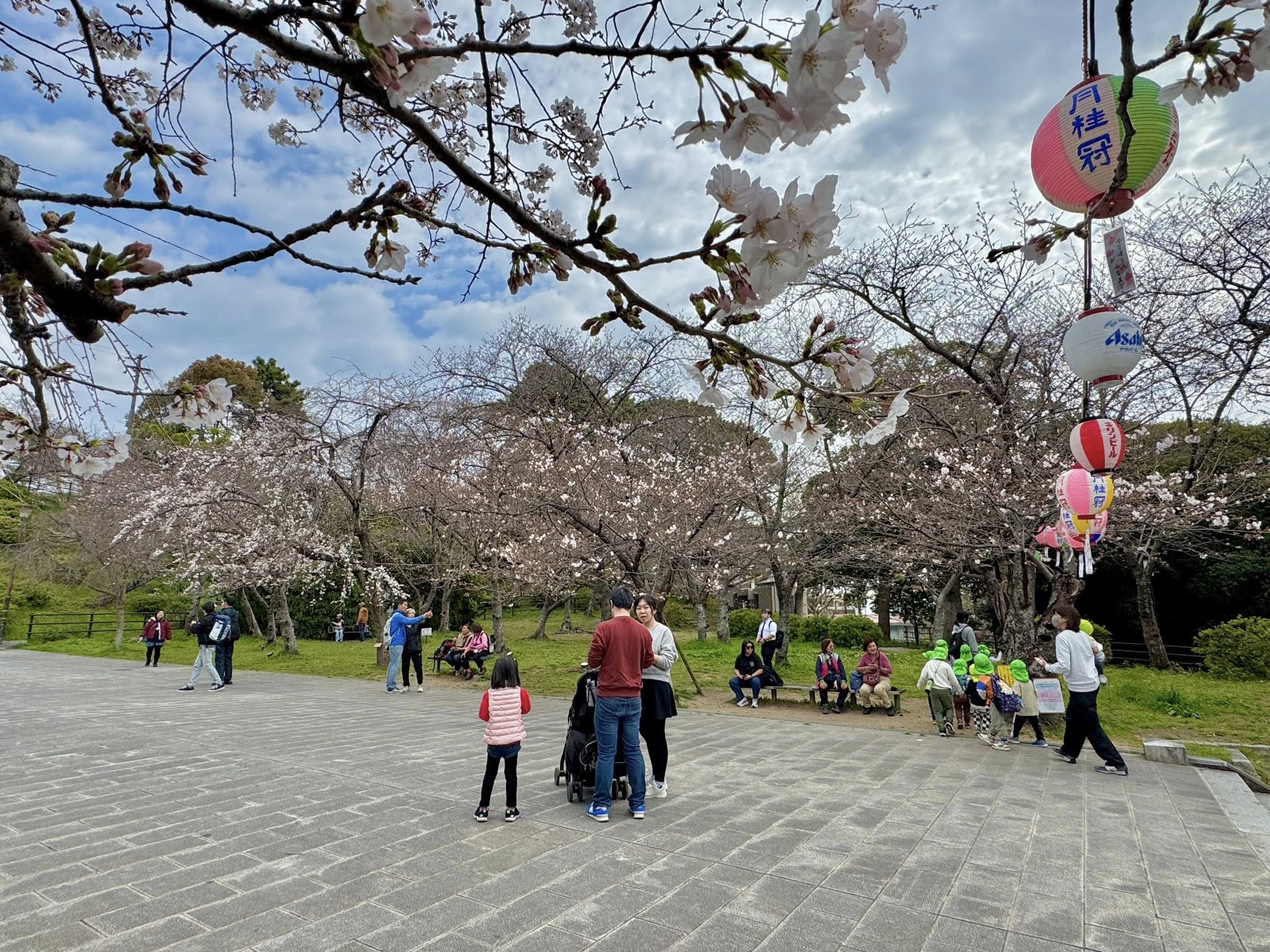
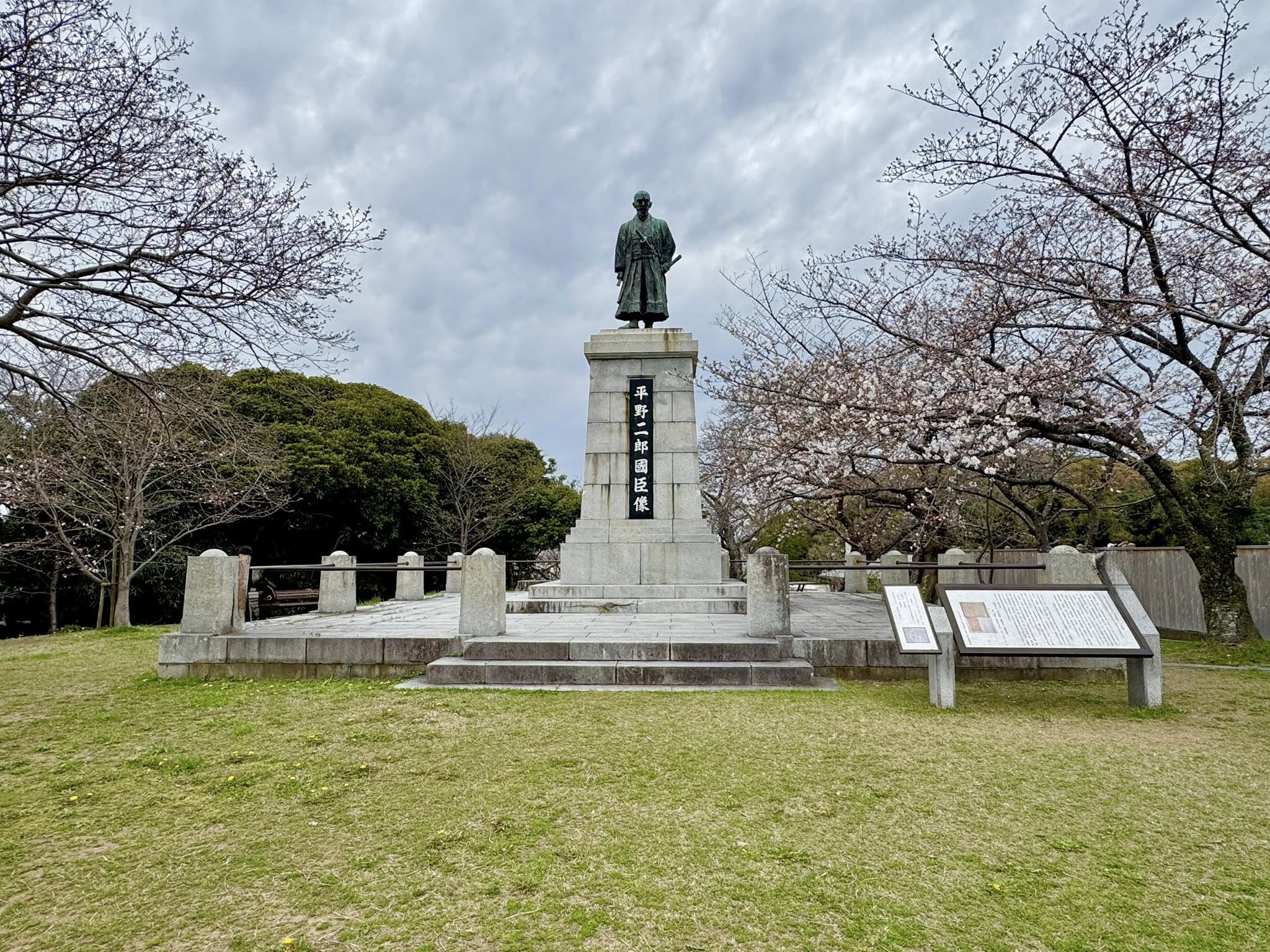
Nishi Park is another popular spot for hanami, but not as crowded as Maizuru Park. I was low-key hoping to see the sakura in full bloom, but I kept my expectations realistic since, based on my research, peak bloom would likely be around the first week of April.
For reference, we were in Fukuoka from March 26 to 30.
Anyway, we still went ahead to check out the park, which is just a few minutes away from Ohorikoen Station. There were a few stalls lined along the street leading to the park, and we saw some cute Japanese toddlers running around, probably there for playtime or hanami.
We found a bench and just sat for a while. A few sakura trees were already in bloom, but not all of them yet. Still, it was a nice and peaceful stop. I can imagine how beautiful this place would be once all the Cherry Blossom trees are in full bloom.
How to get there: From Montan Hakata, walk about 3 minutes to Higashi-Hie Station, then take the Subway Airport Line (Orange Line) and get off at Ohorikoen Station. Exit via Exit 1.
2nd Stop: Lunch at Yakiniku Like + Tenjin Area
After Nishi Park, we walked back towards Ohorikoen Station and had lunch at Yakiniku Like Tenjin Nishidori.
We also passed by Shintencho Shopping Arcade, but didn’t really explore since we were looking for something specific at Parco Fukuoka.
Afterwards, we went back to Montan Hakata to pick up our luggage and rest before our evening flight. We had already checked out earlier that morning, so we just spent some time lounging before booking an Uber to the airport.
3rd Stop: Flight Back to Manila
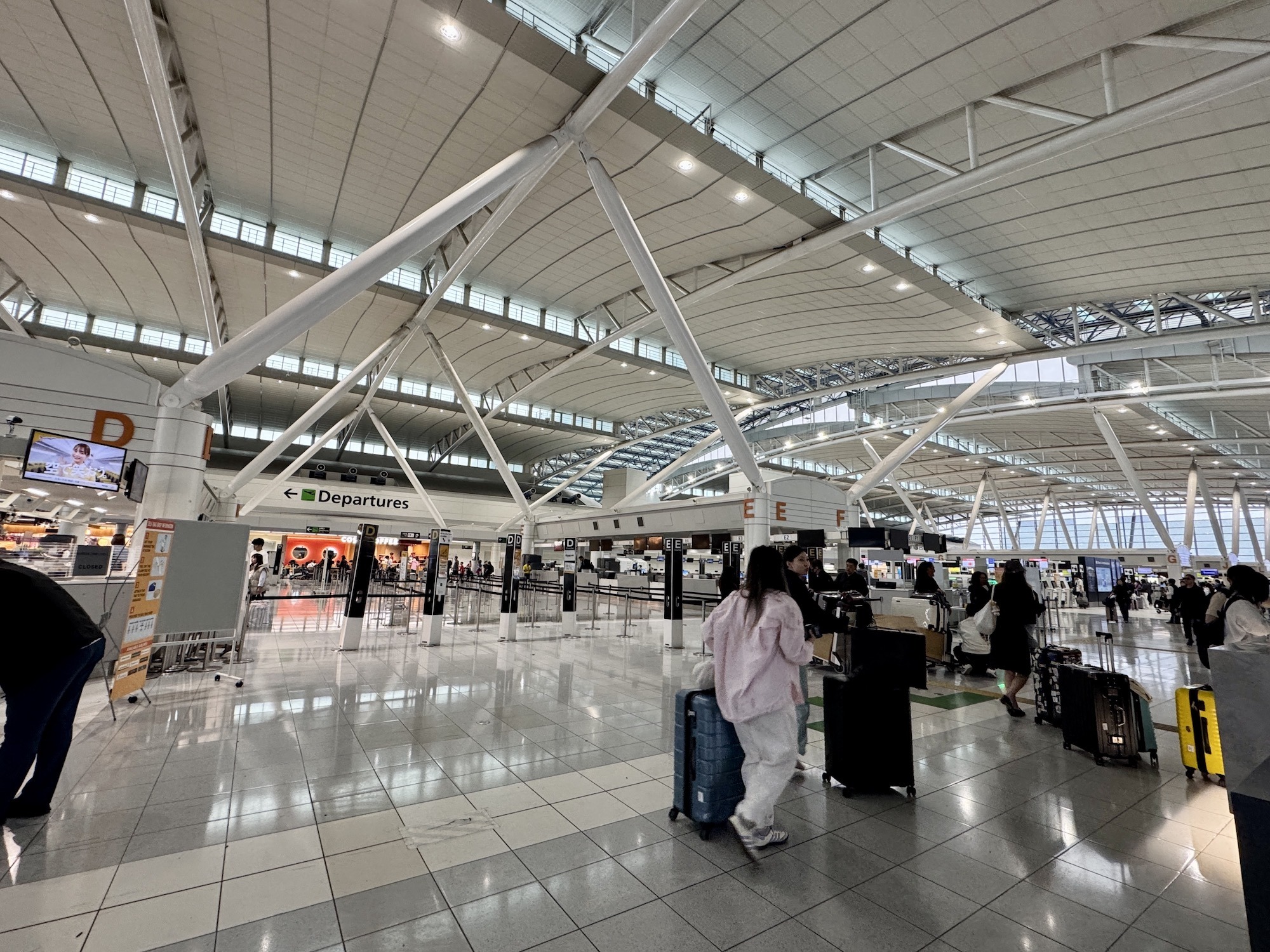
We decided to leave Montan Hakata early to have more time to explore shops at Fukuoka Airport. The Uber ride took less than 10 minutes and cost around ¥1,370 (roughly Php 535).
This worked better for us compared to walking with heavy luggage or taking the train. One thing I really appreciate about Fukuoka is how convenient the airport’s location is. Getting to and from the city is quick and relatively affordable, unlike in Tokyo or Osaka.
We did arrive early, but Cebu Pacific check-in counters only opened around 2 to 3 hours before boarding. We were able to print our boarding passes using the machines, but we didn’t have much time left afterward. We grabbed a quick dinner, did some last-minute shopping, and headed straight to our gate.
I do hope that self bag drop machines will eventually include Cebu Pacific to make the process more efficient.
My Takeaways
Fukuoka is such a charming city in the southern part of Japan, and it’s very kid- and senior-friendly, especially since the international airport is just a short distance from the city center. It’s less hectic and busy, and it’s also very close to nature and the countryside.
It still gives you that classic Japan feel, but at a slower pace. While Tokyo and Osaka are must-visits, especially for first-timers, I would personally recommend Fukuoka, particularly during the spring season when the Golden Route tends to get very crowded.
If you love Japan but want to avoid huge crowds while still enjoying a city with easy access to parks, nature, and even biking routes, Fukuoka won’t disappoint. I’d definitely love to come back again soon!