
If you’re looking for a laid-back getaway with a mix of adventure and Instagram-worthy spots, Siquijor should be in your bucket list of places to visit in the Philippines. Whether you’re into road trips, swimming, waterfall chasing, beach lounging, or light trekking, there’s something for everyone on this serene island—dubbed the “Island of Healing.”
Located in Central Visayas, Siquijor is the country’s third smallest province. Known for its mystical reputation linked to witchcraft, the island’s charm is undeniable. While some myths and stories circulate, don’t let that stop you from experiencing Siquijor’s natural beauty. As long as you respect the locals and stay aware of your surroundings, you’ll have a fantastic time.
Ready to be enchanted by Siquijor? Read on!
DISCLAIMER: If my El Nido travel guide was super chill, this one is even more laid-back. We didn’t do much exploring, so consider this your heads-up.
GETTING TO SIQUIJOR
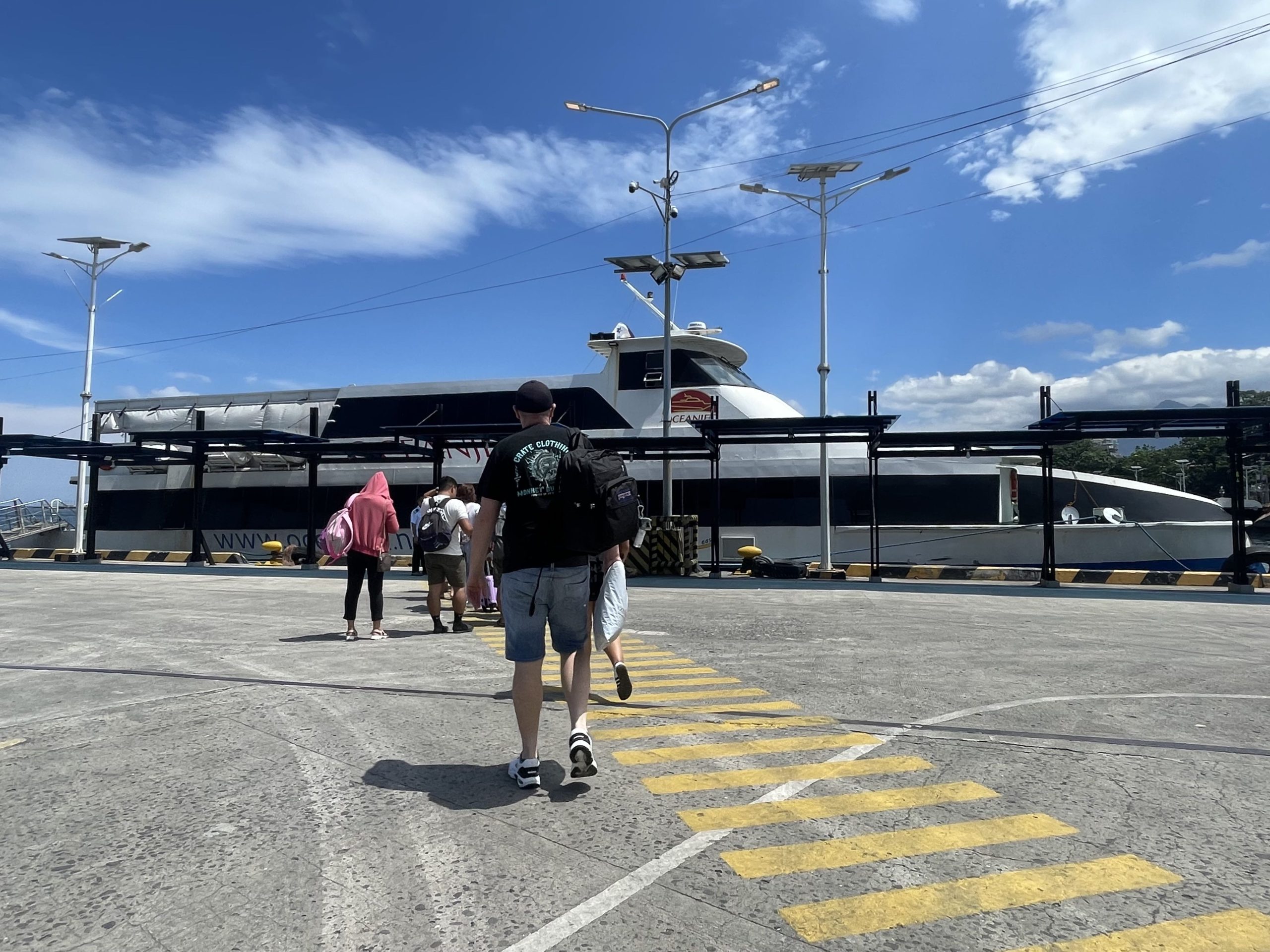
There are plenty of ways to get to Siquijor, and if you’re a backpacker, it should definitely be on your itinerary. You can come from Manila, Cebu, Bohol, Iloilo, or Mindanao—but I’m not going to bore you with all the ways to get there. I’ll just tell you how we did it, starting from Manila. If you’re curious about how to get to Siquijor from different entry points, check out this helpful Siquijor website.
Fly via Dumaguete: There’s no direct flight from Manila to Siquijor, so the easiest way is to fly to Dumaguete via PAL or Cebu Pacific.
Once you land, hop on a tricycle and ask the driver to take you to Dumaguete Port (it’s about 15 minutes away). The trike ride should cost around P200 for two people, but keep in mind that some drivers might try to charge more. Don’t be afraid to haggle! I think P100 per person is fair, considering the distance.
You can buy ferry tickets ahead of time via Oceanjet’s website or Klook, but honestly, if you’re not in a rush, it’s easier to buy tickets at the port. Flights can sometimes get delayed, so it’s just safer to buy tickets once you’re there. Ticket costs around P400 depending on the fast craft or ferry.
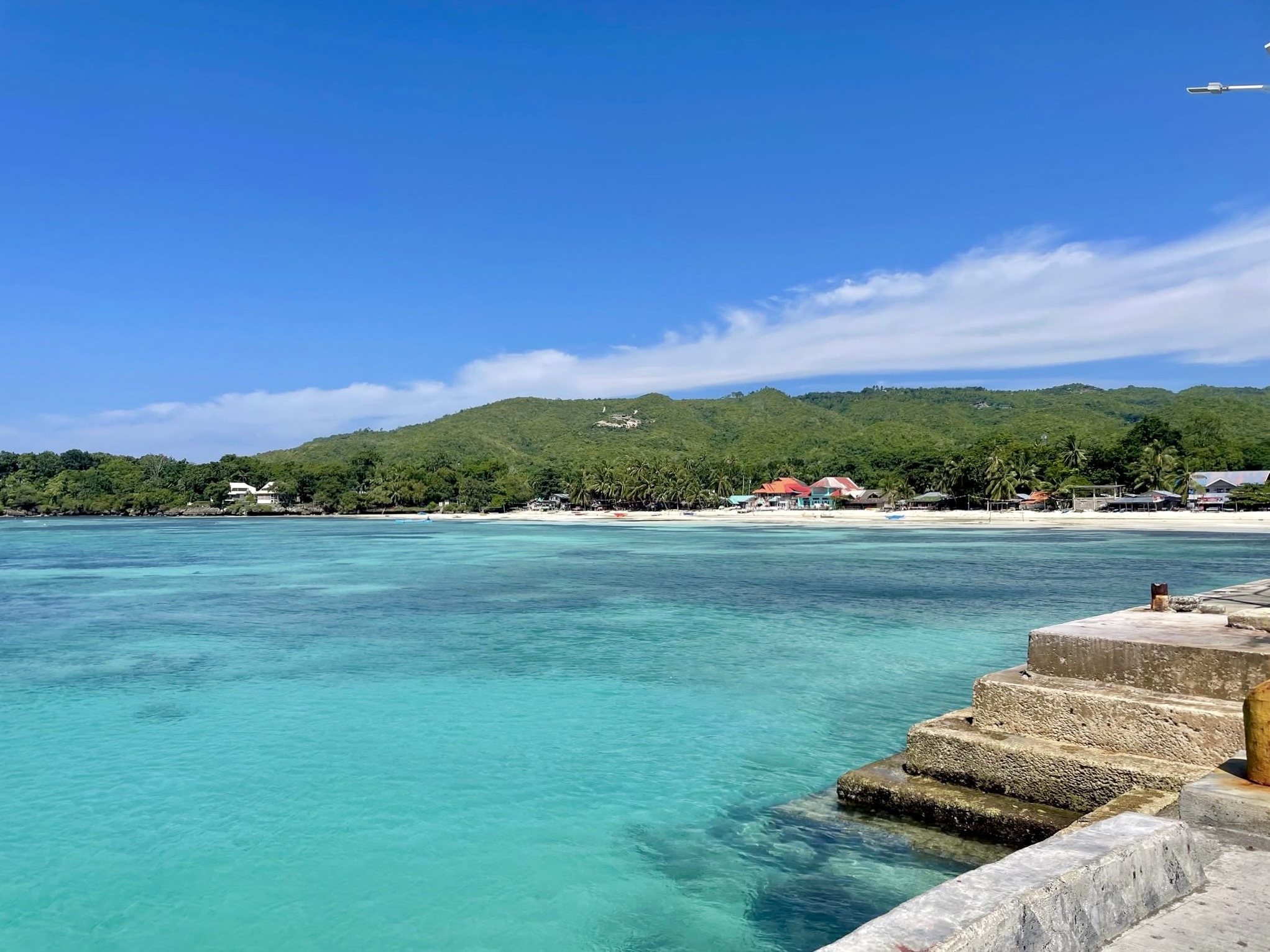
The ferry ride from Dumaguete to Siquijor takes about 40 minutes. When you arrive at the port, you’ll be greeted by the most stunning shades of blue water. I know, it’s just the port, but it gave me the best first impression—talk about a teaser for what’s to come!
WHAT YOU NEED TO KNOW BEFORE GOING TO SIQUIJOR
Accommodation:
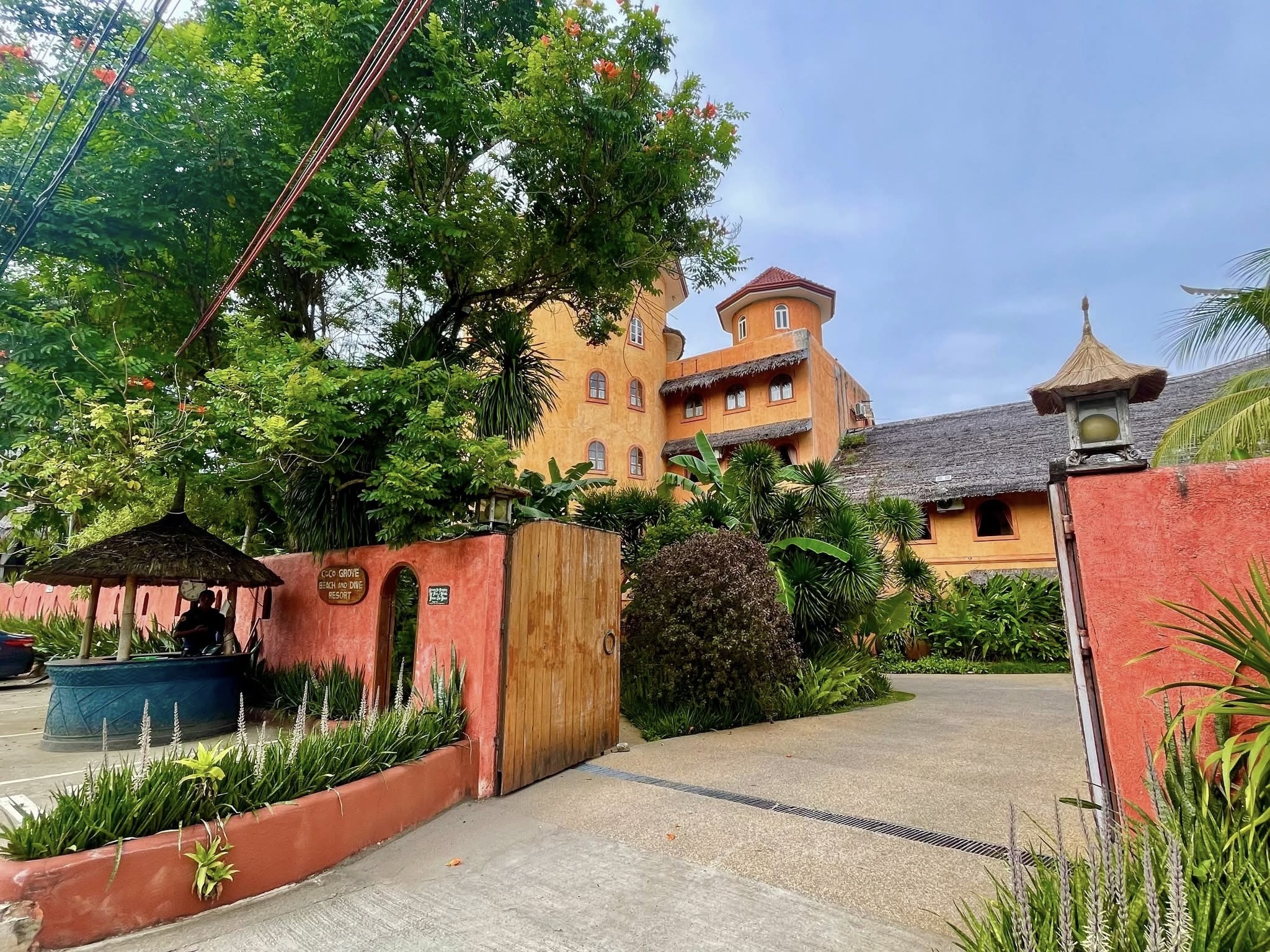
There are lots of resorts and hotels in Siquijor, but most tourists seem to stay in San Juan, which is where the Tubod Marine Sanctuary is located, along with a bunch of great restaurants. Your choice of accommodation will depend on what activities you want to do, but based on my research, San Juan is where most people stay.
One thing I’ll say—make sure you book a place with a generator because power outages are common in Siquijor. We stayed at Coco Grove Beach Resort for this trip. It was a bit pricier, but totally worth it if you plan to just relax by the beach all day (like we did). We ate all our meals there too, so you could say we made the most of our stay.
Food:
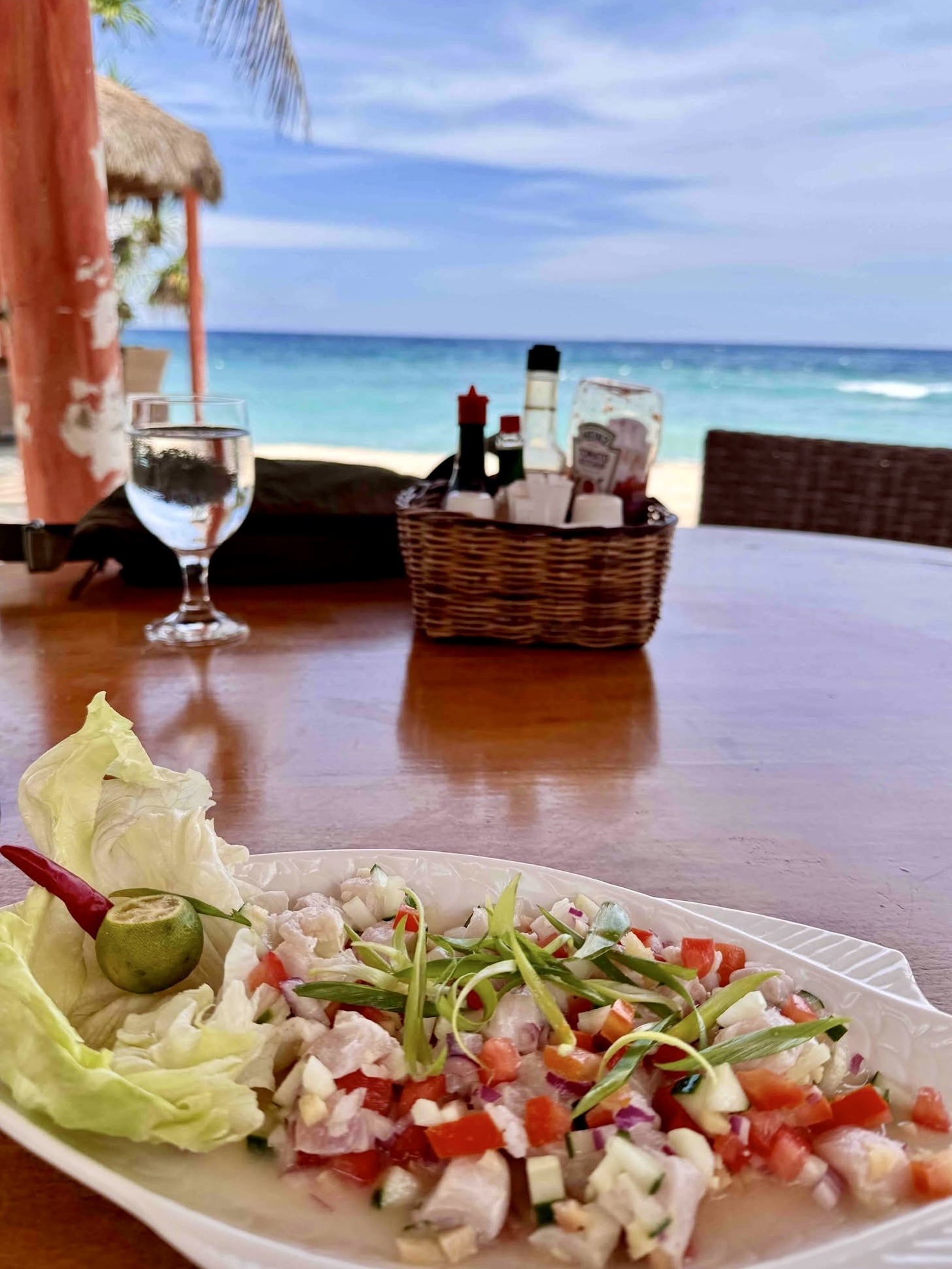
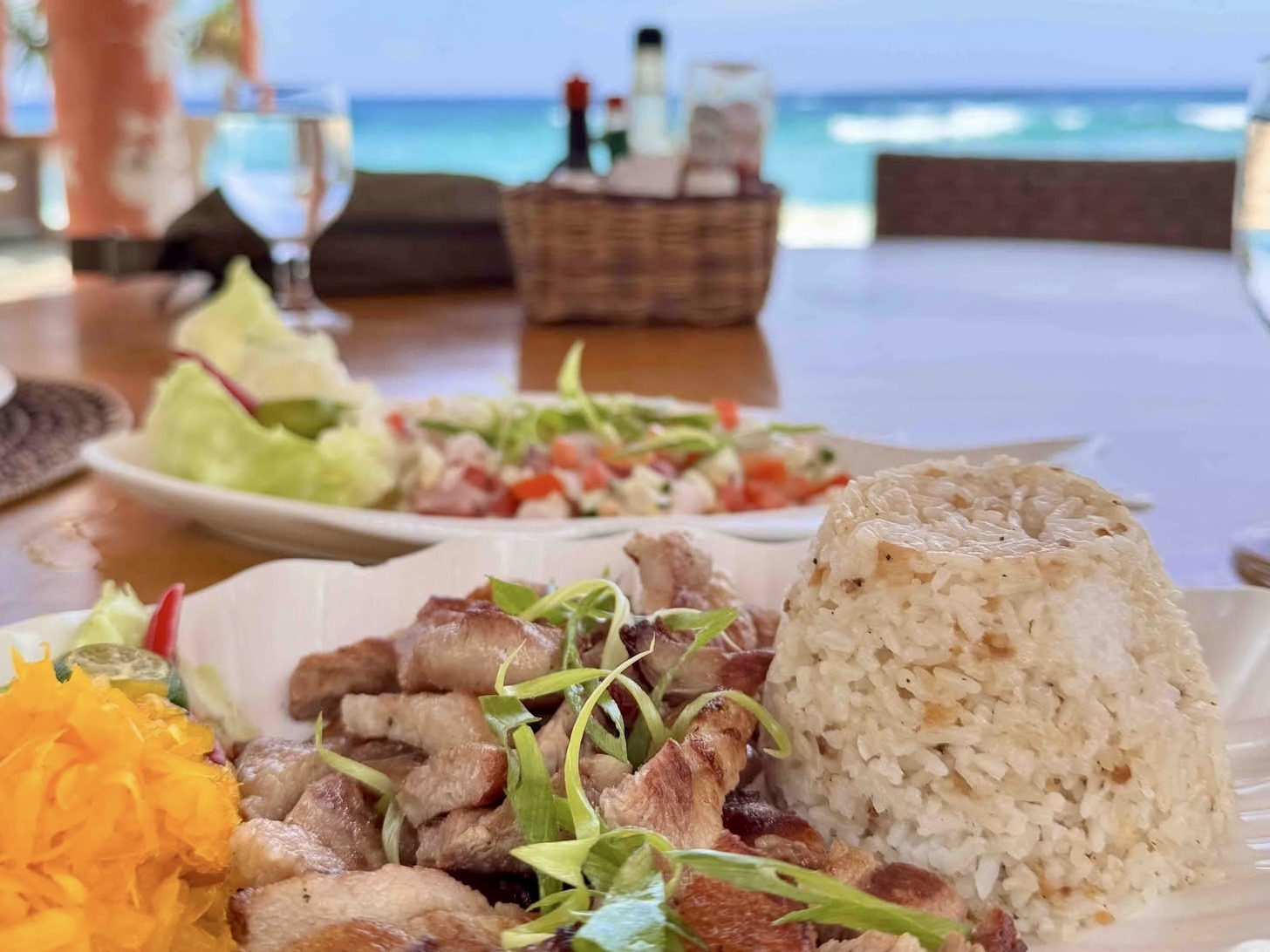
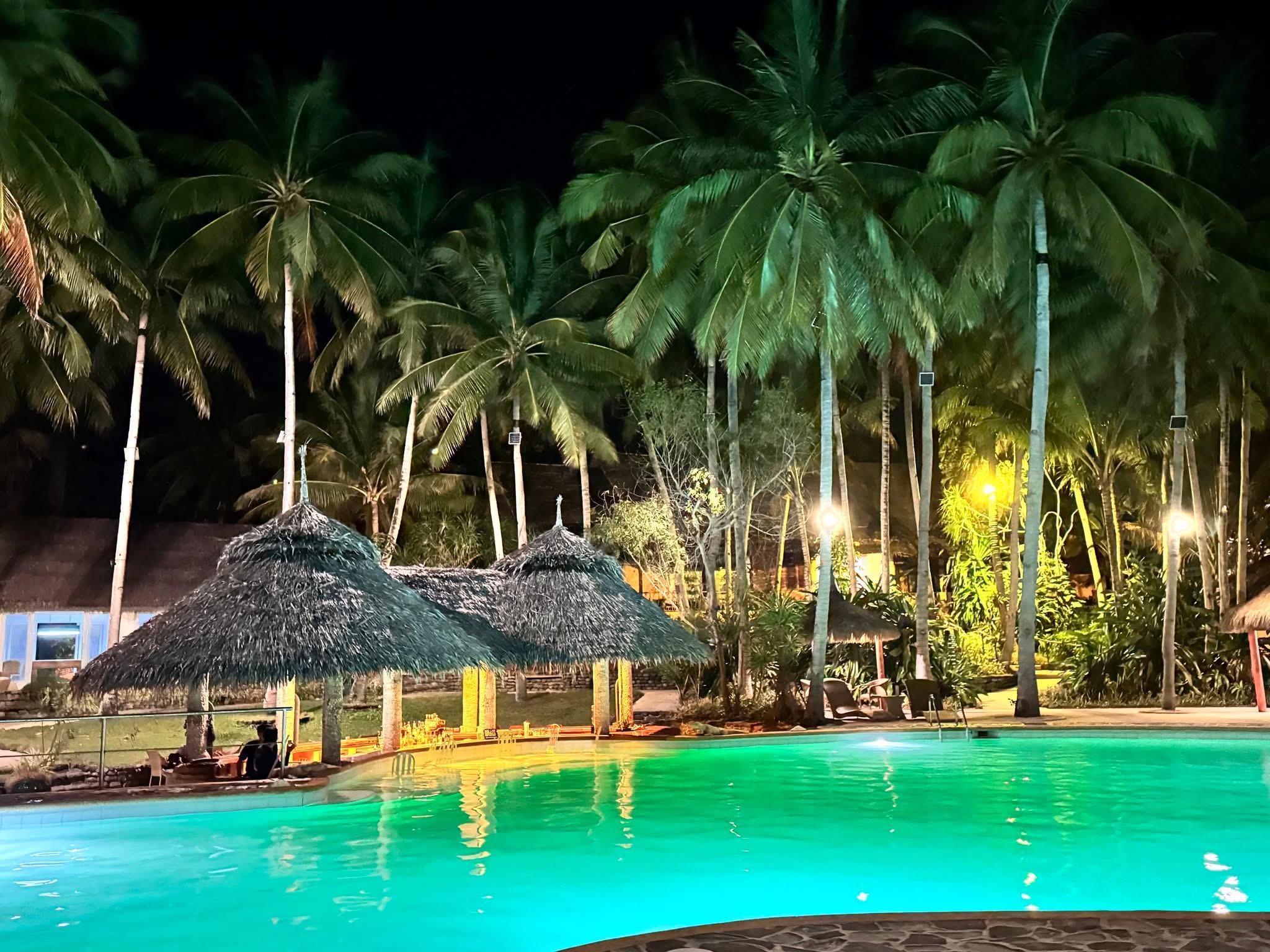
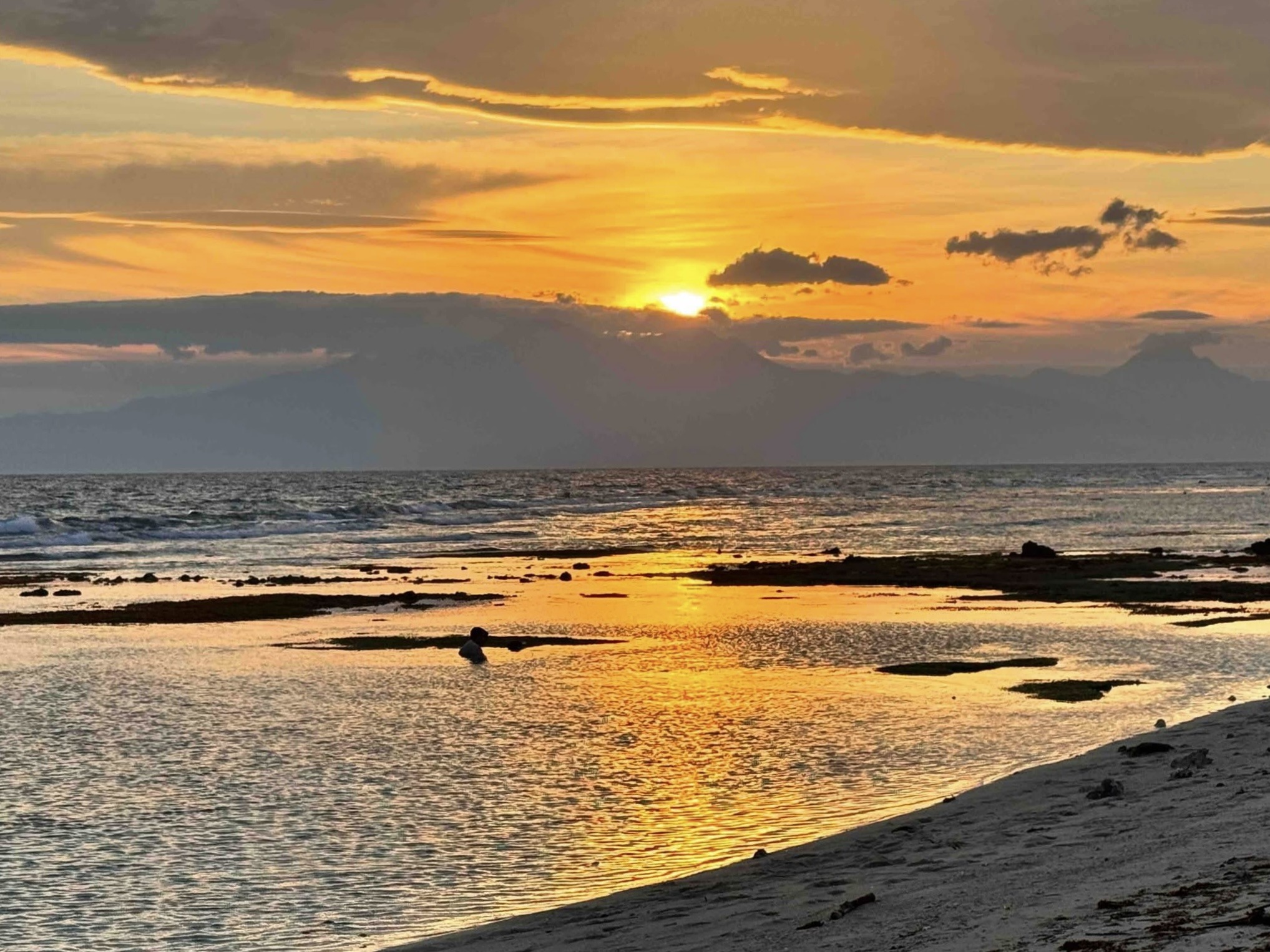
As I mentioned earlier, we didn’t venture out too much, so I can’t give you a full list of recommendations. But, if you’re looking for a beachside dinner with fewer crowds and a good sunset, I’d suggest Coco Grove. Just be sure to call ahead to check availability because sometimes they’re fully booked and don’t accept walk-ins. It’s an exclusive resort, so better safe than sorry.
We also went to Bucafe during our tour. If you have a motorcycle, you can visit it on your own. It’s located in a more secluded area, so it’s best to go with your own ride. The food is good, and the price is reasonable.
Other places I wanted to try but never got around to (because we were lazy and too busy being beach bums):
- Dolce Amore
- Shaka Cafe
- See Kee Hor
Transportation or Tour:
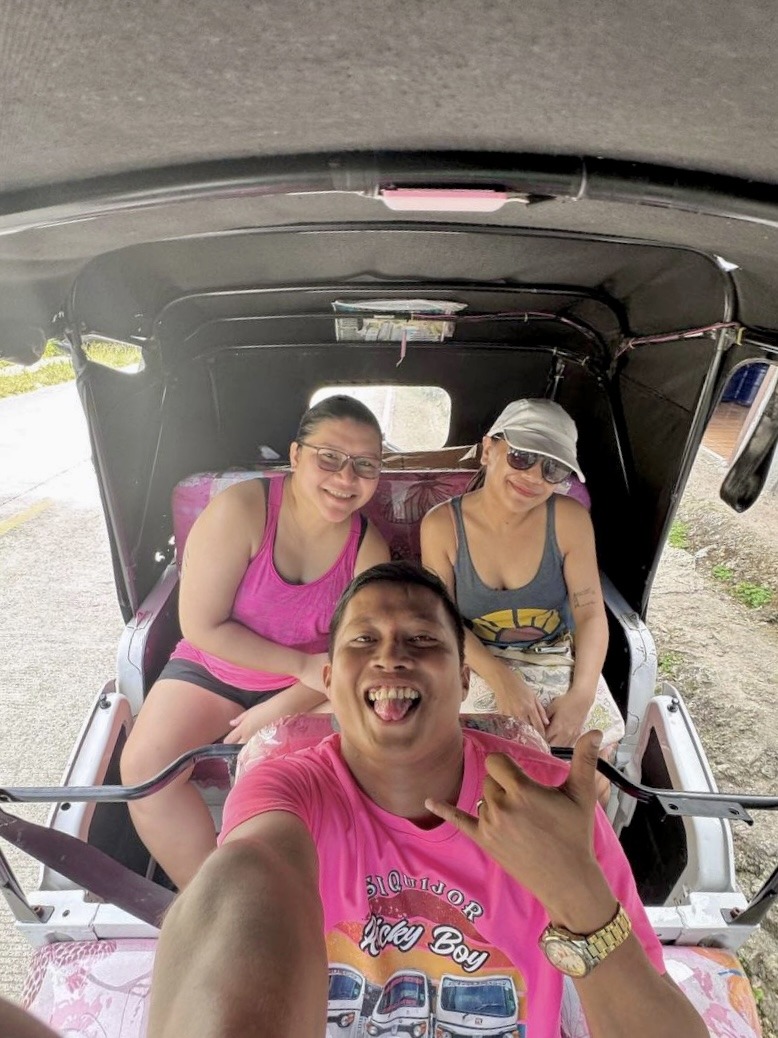
If you know how to ride a motorcycle, you can easily get around Siquijor on your own. But if you want to make it easier (and have a personal photographer along for the ride), you can always hire a local guide. We went with Kuya Ryan Tingcang, and I highly recommend him. He’s fun, super knowledgeable about the island and, bonus, he takes amazing photos. Feel free to text him, though he’s usually quicker to respond on WhatsApp. His number is 0906-629-3151. You can mention my name when you reach out.
Tours usually last a whole day, but since most guides use trikes, meaning private tour, you can customize the tour to suit your liking (like we did with our half-day tour). For a full day, expect to pay anywhere between P1,500 and P2,000, though the price can vary depending on where you want to go. For example, Salagdoong Beach is a bit farther, so the price might go up if you decide to go there. Just ask Kuya Ryan, and I’m sure he’ll be happy to accommodate your requests.
Budget
For two people, a P30,000 budget (excluding airfare) is more than enough for a 5-day, 4-night stay. This also includes an overnight stay in Dumaguete. I’ve added that extra night in Dumaguete just so you’re not cramming everything into your trip, but if you plan to take an evening flight on the 4th day, you could cut this cost.
This budget is based on what we spent, but you can lower it by choosing a more affordable resort or hotel.
THINGS YOU NEED TO BRING
- Cash: Not all places accept credit cards.
- Camera/Smartphone: A no-brainer!
- Aqua Shoes: These are a must if you plan to visit the falls.
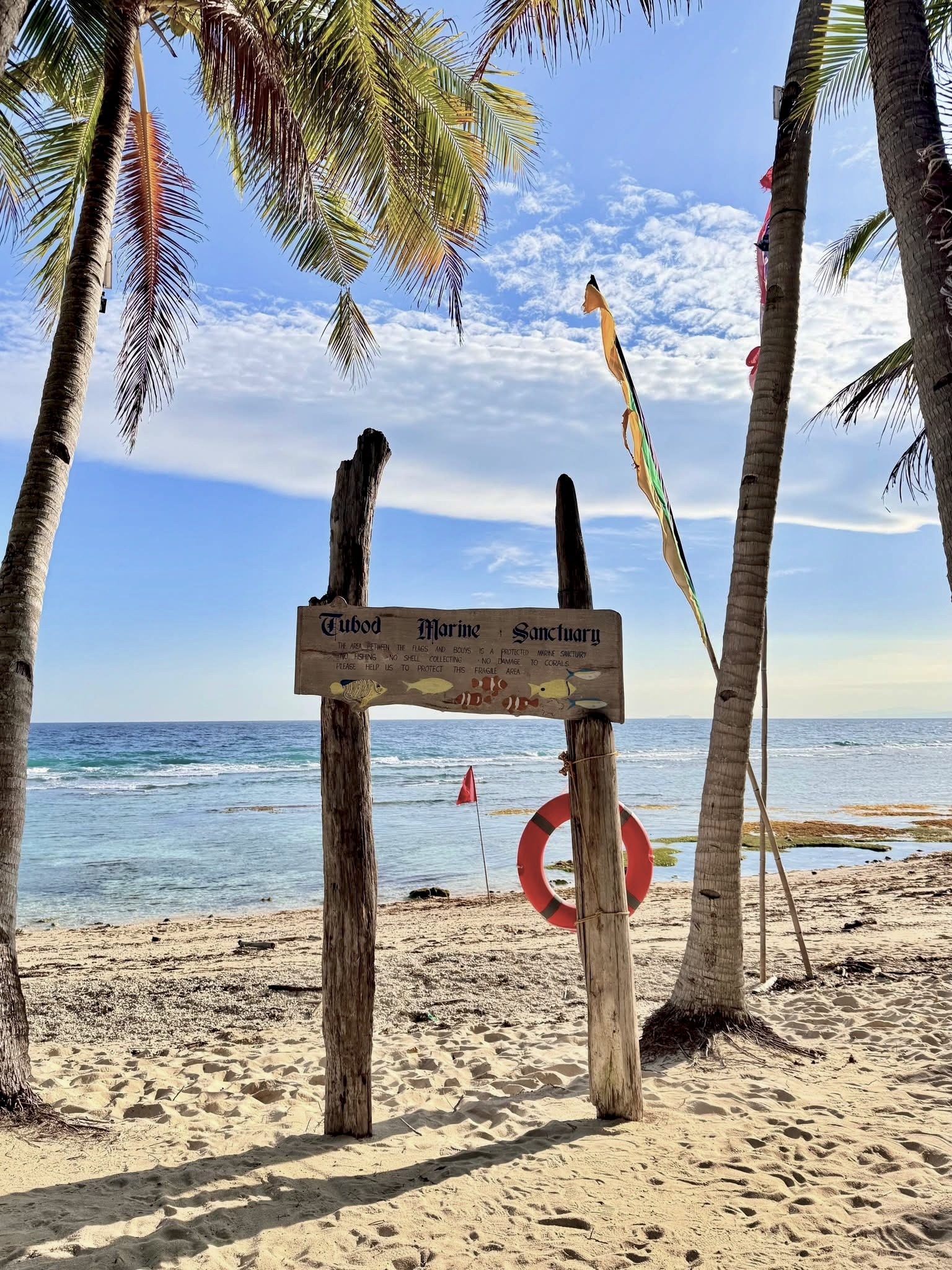
- Snorkeling Gear or Goggles: Especially if you’re going to Tubod Marine Sanctuary. Just note that there are times when the sanctuary is closed due to fishing bans (usually during the new moon). Check with the resort or local tourism page for updates.
- Sunblock: Protect your skin!
- Water Tumbler: Don’t contribute to single-use plastic waste.
- Mosquito Repellent: Protect yourself from the insects.
- Medicines: Always have your own meds when traveling.
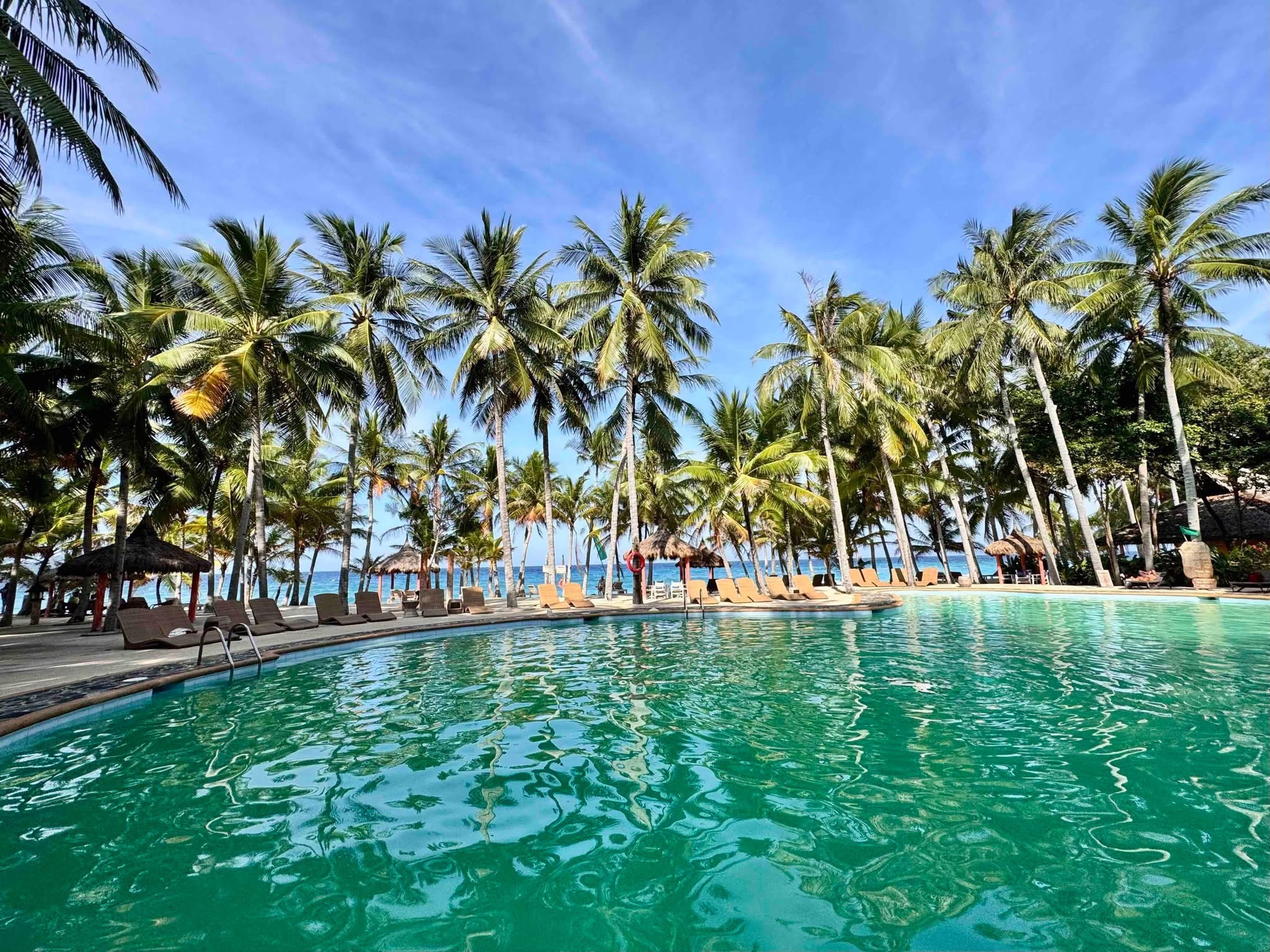
WHERE TO STAY IN SIQUIJOR
- Coco Grove (High price range) is one of the most popular resorts in Siquijor, and we chose to stay here because we knew we just wanted to relax on the beach all day (even while working). It’s a beautiful spot right in front of the Tubod Marine Sanctuary, making it the perfect place to unwind.
- South Mountain Resort (High price range)
- White Villas Resort (High price range)
- Jungle Hut (High price range but very interesting and unique place. Do check out the host’s other listings on AirBnB)
- Aquamare Beach Camp Resort (Mid-range)
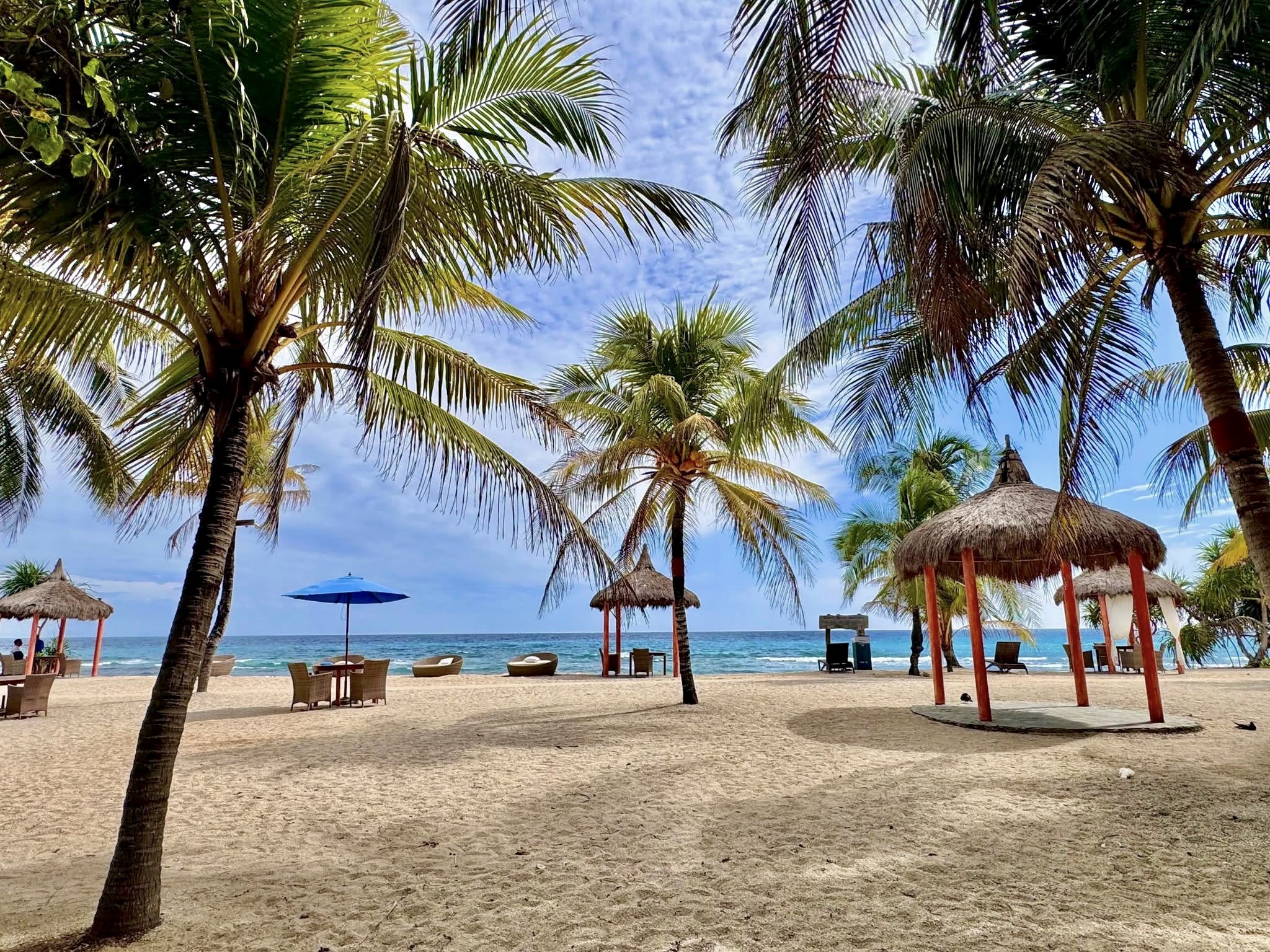
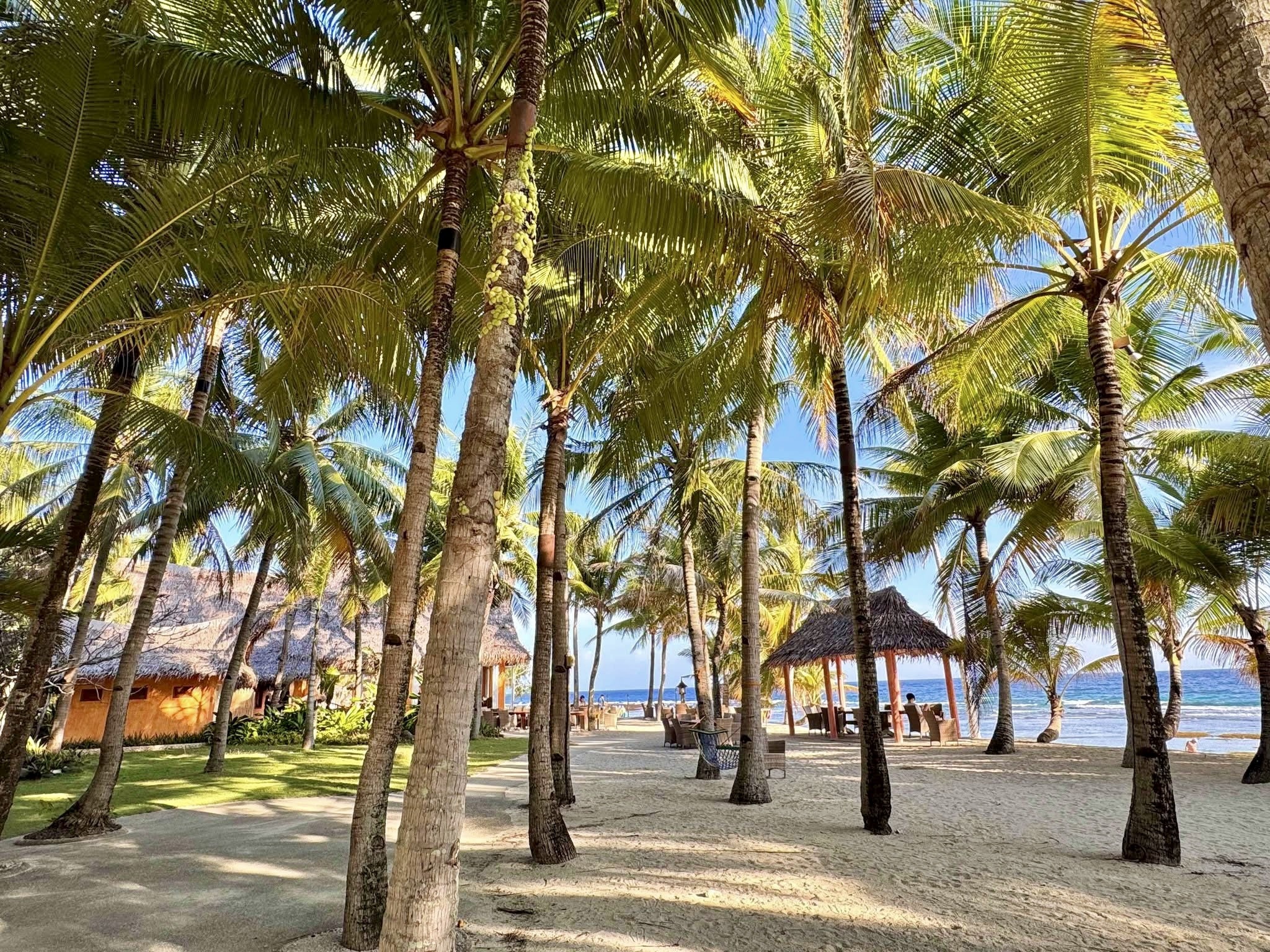
WHAT TO SEE IN SIQUIJOR?
Since we didn’t really follow a strict itinerary (because that’s just how I roll nowadays), I’ll just mention some of the highlights of our tour. Normally, a full Siquijor tour would cover a lot more spots, but here are the ones we managed to visit:
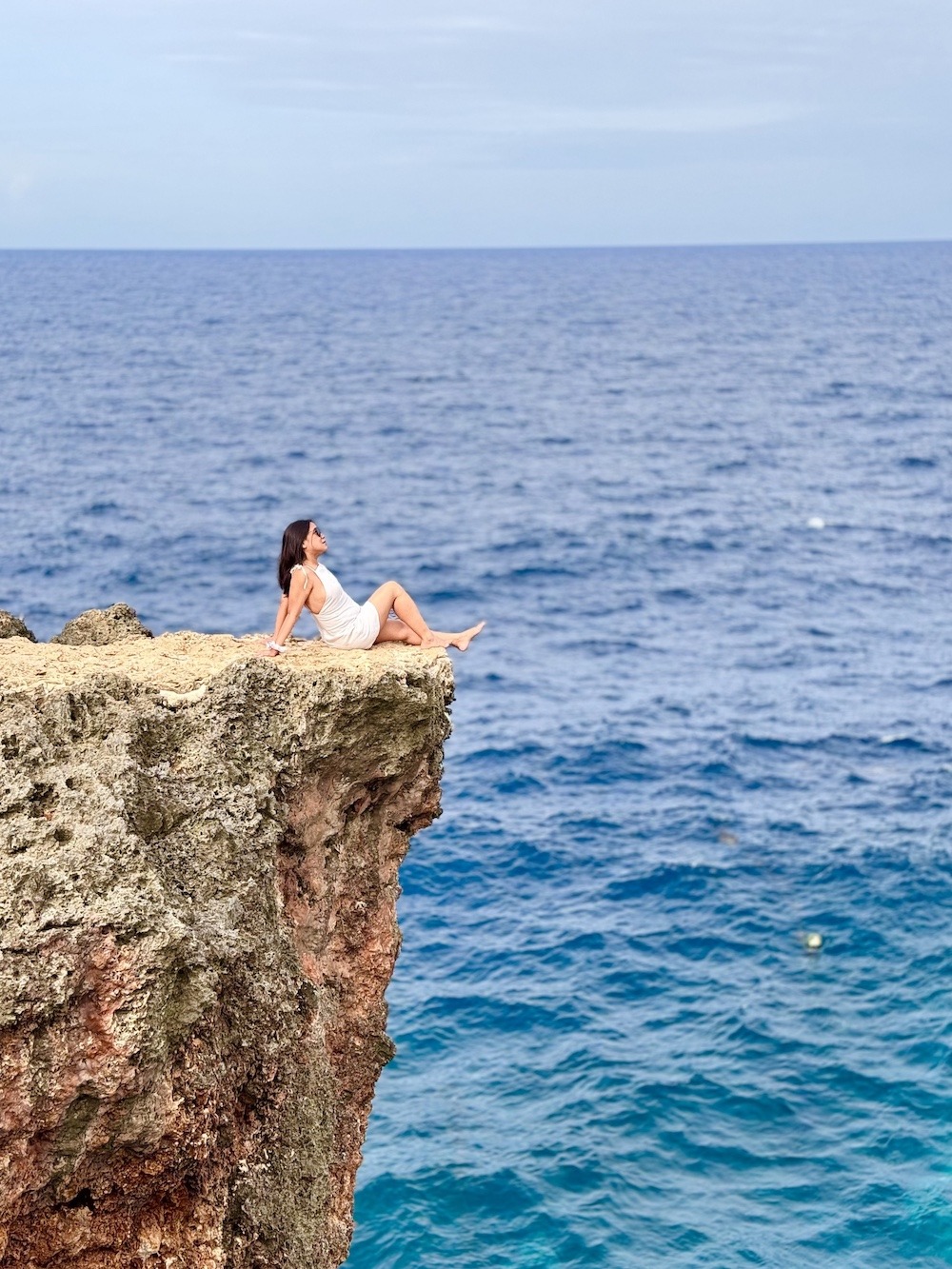
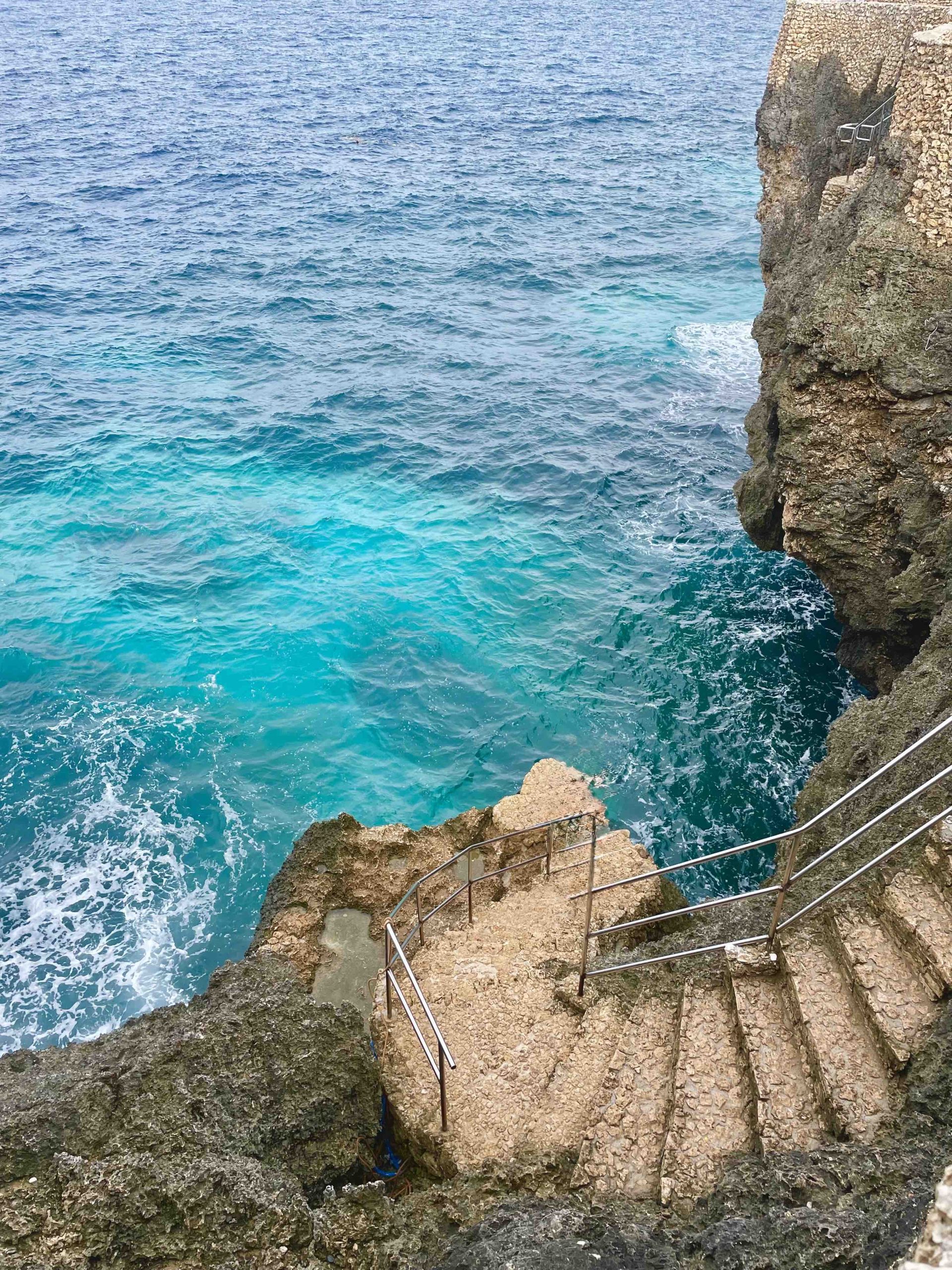
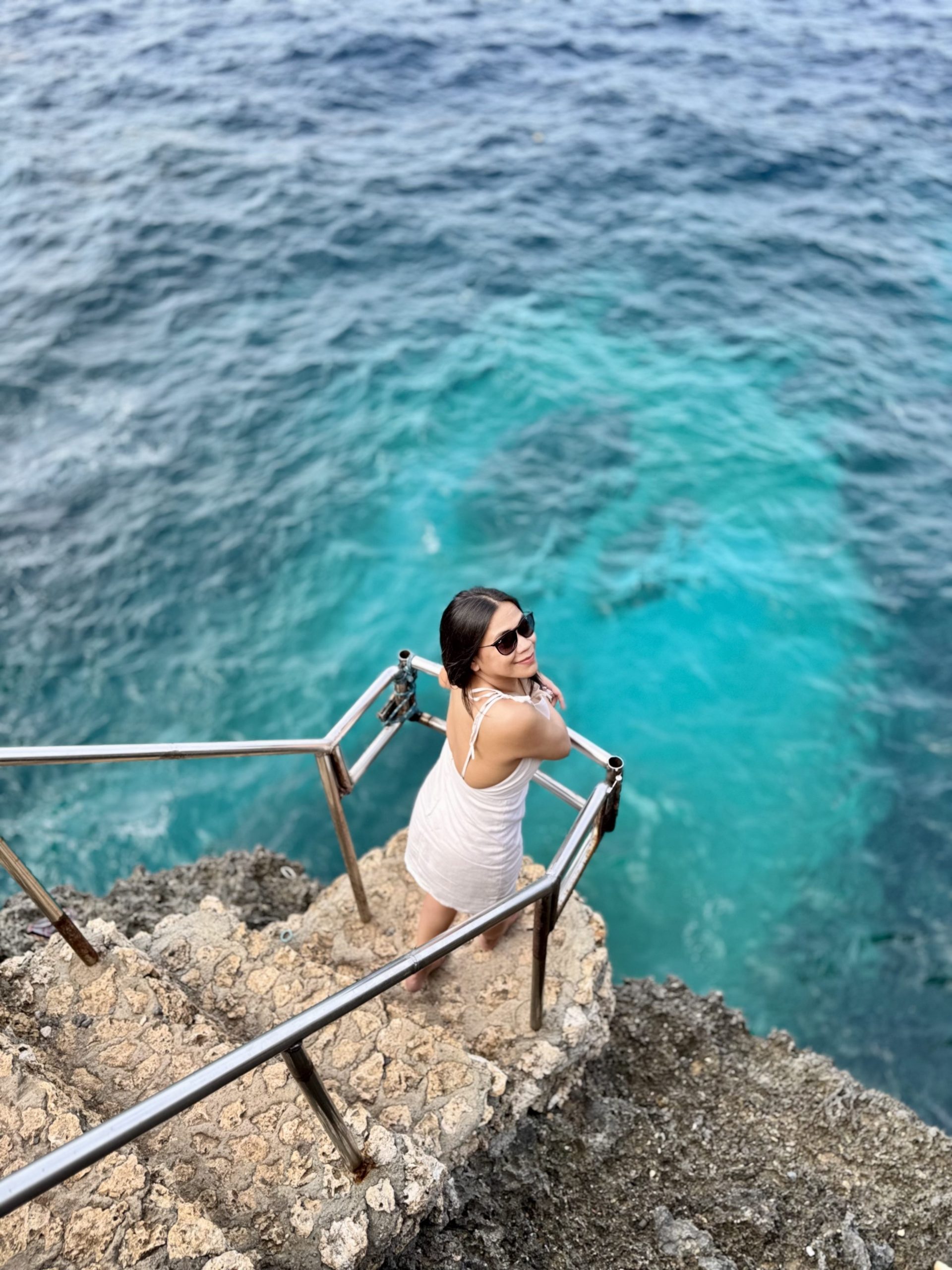
1st Stop: Pitogo Cliff
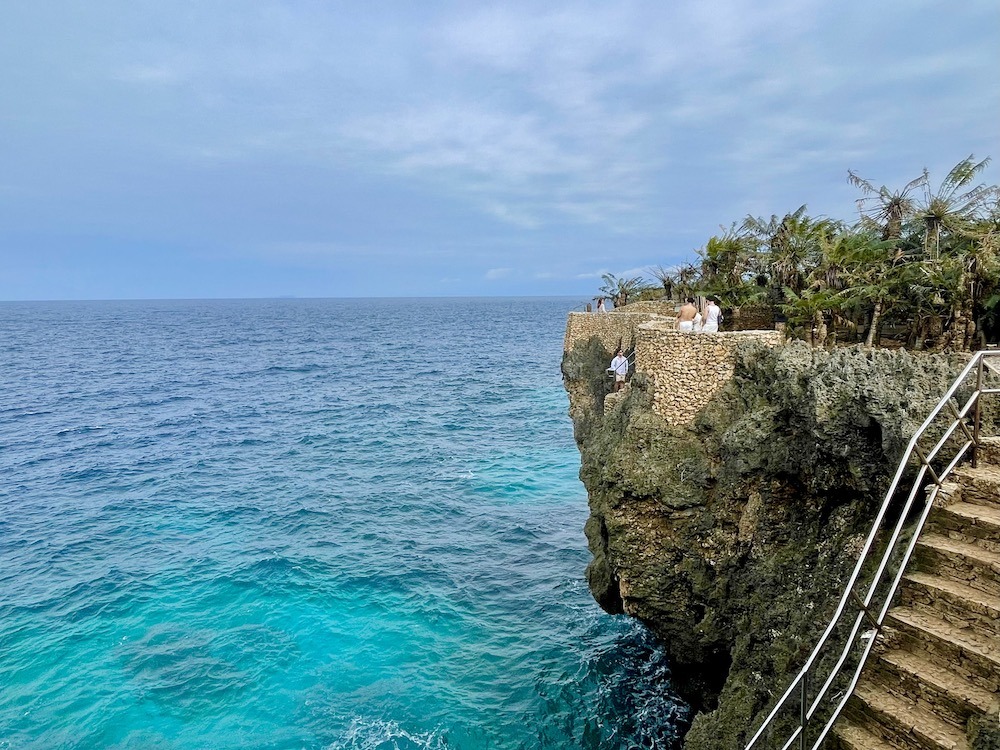
We went here early in the morning to avoid the crowds. I’ve heard that during peak season, people start lining up at the crack of dawn just to get that perfect shot. We got lucky, though, because there were only a few tourists—probably because it was off-peak season (July) and a typhoon in Manila had canceled a bunch of flights, including ours. But that’s a story for another time.
The cliff is located in San Juan and is named after the native Pitogo palm trees surrounding it. Entrance fee is only P15. It’s a popular spot for photos with a stunning view of the turquoise ocean. You can also go down to the water via wooden stairs (which we didn’t do because the waves were too strong), but I bet it’s great for swimming when the water’s calm. Taking a photo in the cliff costs P50, while drone shot is around P200.
Kuya Ryan took all the great photos of me at Pitogo Cliff. He directed each shot and asked me to pose, so everything you see is thanks to him. I’m not the best at posing, but I’m really grateful for how the shots turned out!
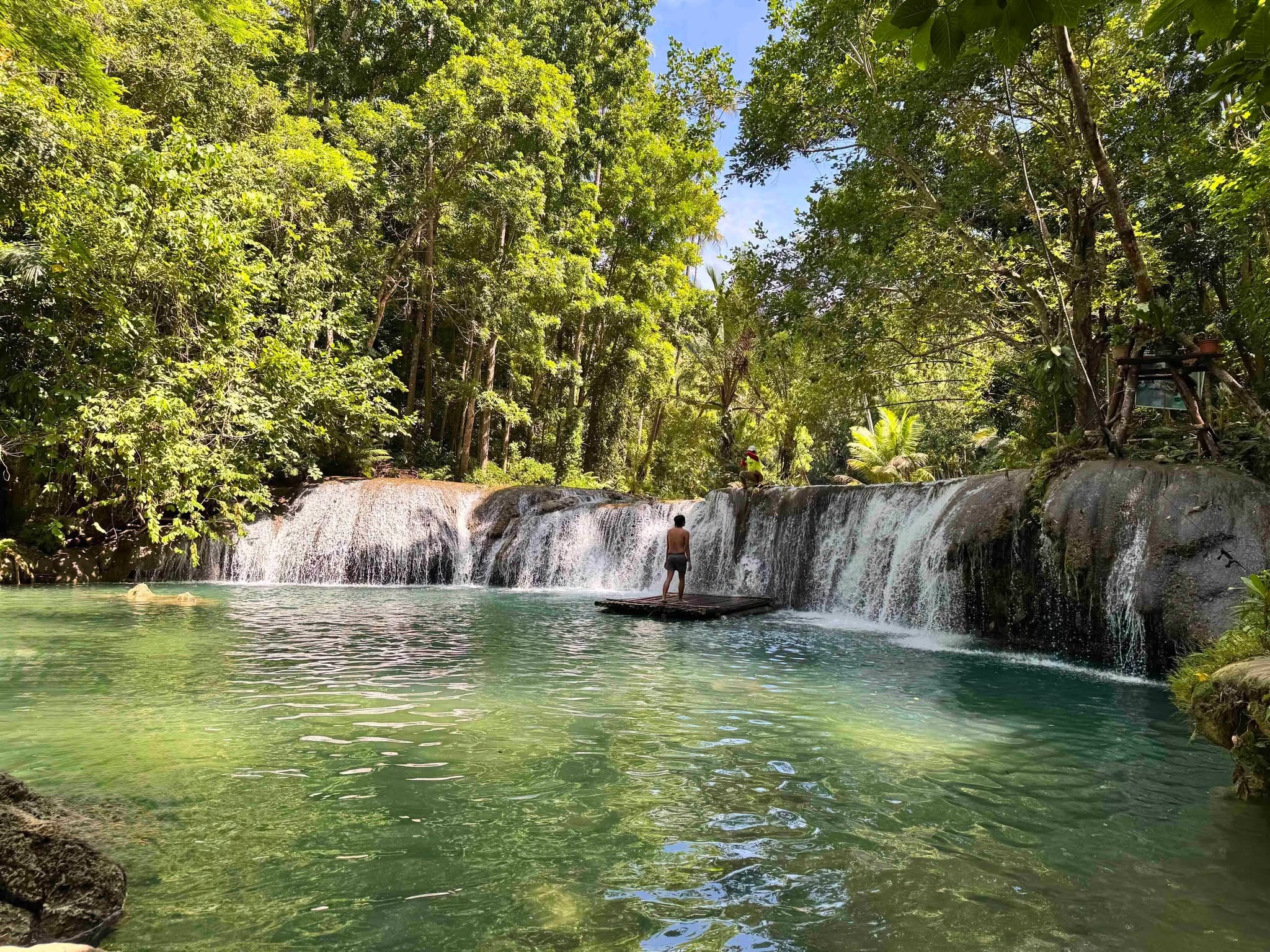
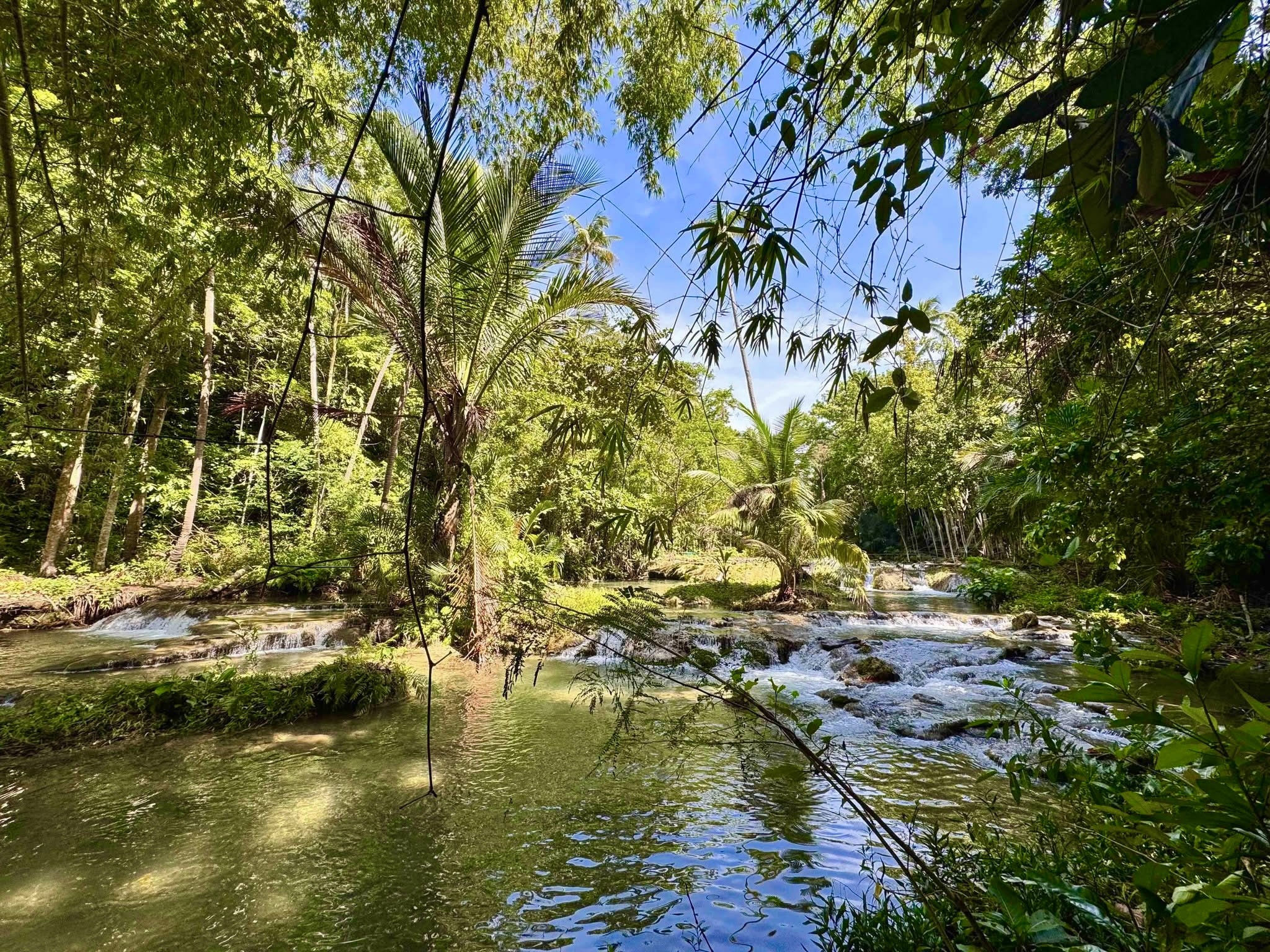
2nd Stop: Cambugahay Falls
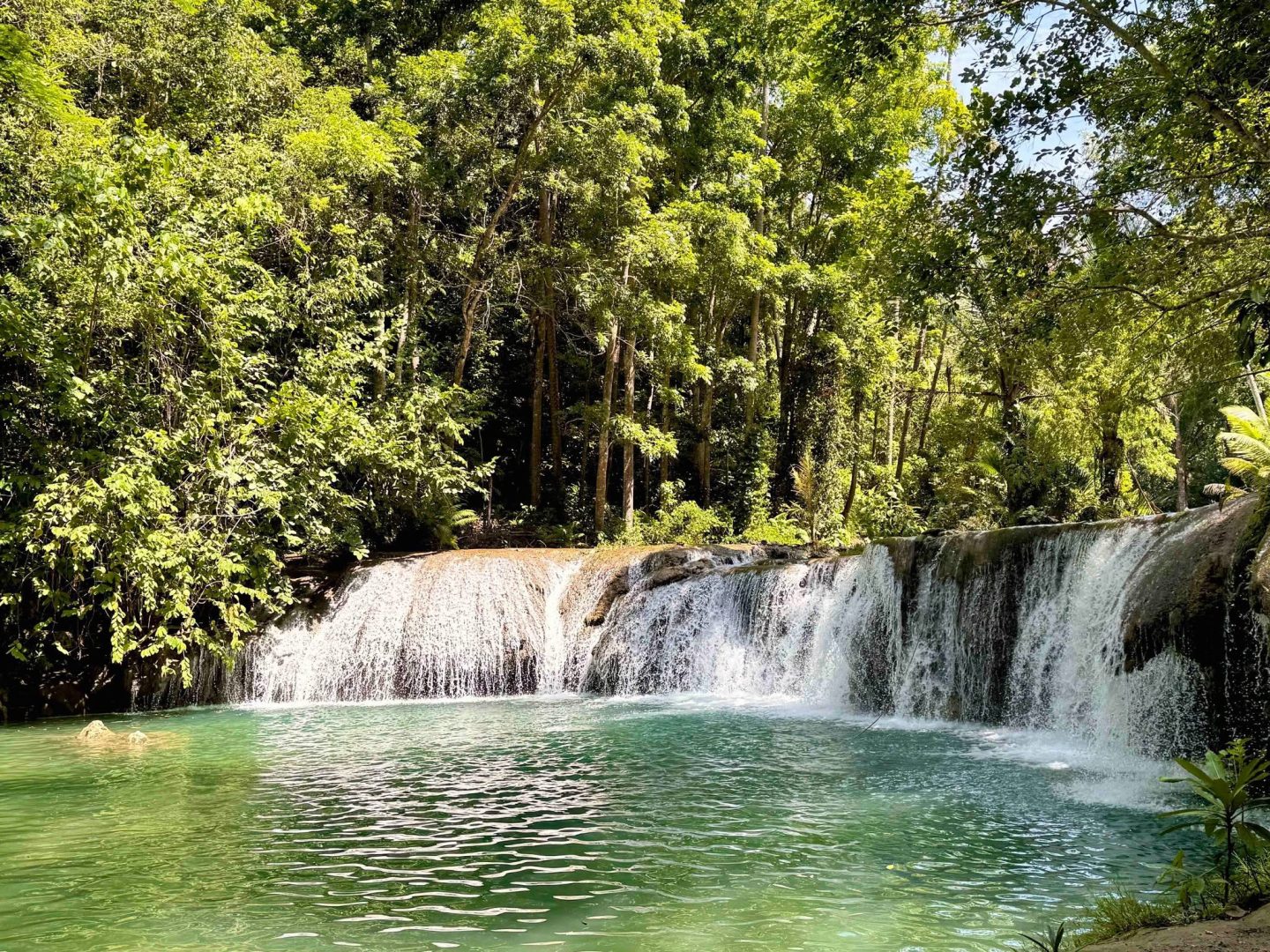
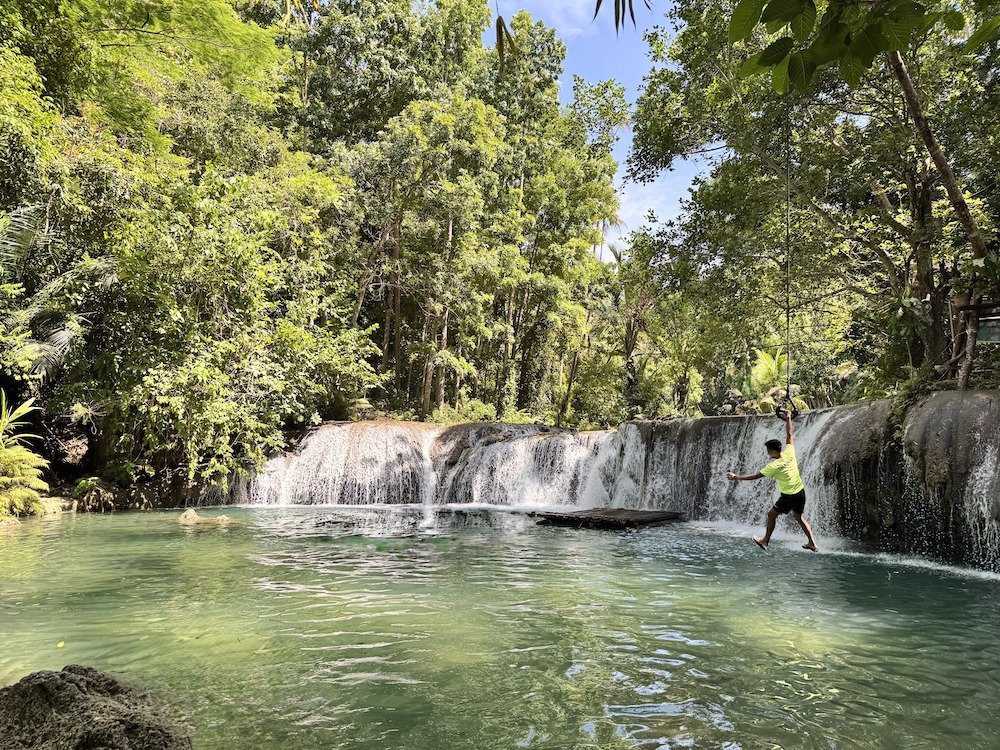
I was torn between Cambugahay Falls and Lugnason Falls. The reason I was so keen on visiting Lugnason was that I heard it’s a bit more off-the-beaten-path and quieter. But after reading that Lugnason’s road can get pretty muddy at times, we decided to go with Cambugahay instead. Turned out to be a good choice since there were fewer tourists when we visited in the morning, so we had a more peaceful experience.
The entrance fee is P50, and you’ll be assigned a local guide (which I thought was cool, as they use a queue system to make sure everyone gets a turn). They even have a tally board to ensure fair distribution of guides.
We checked out all three falls, and of course, I had to try the famous fairy walk (you know, the one where Anne Curtis did her iconic shot). I didn’t quite nail it like she did, but hey, I didn’t fall in the water, so I’m calling that a win! You can try as many times as you like for P20. We took a quick dip in the cold water, then trekked back up to our trike. We thanked our guide, gave him a tip for being nice and for taking great photos and videos. A must-have skill for a guide, I’d say!
3rd Stop: Lazi Church
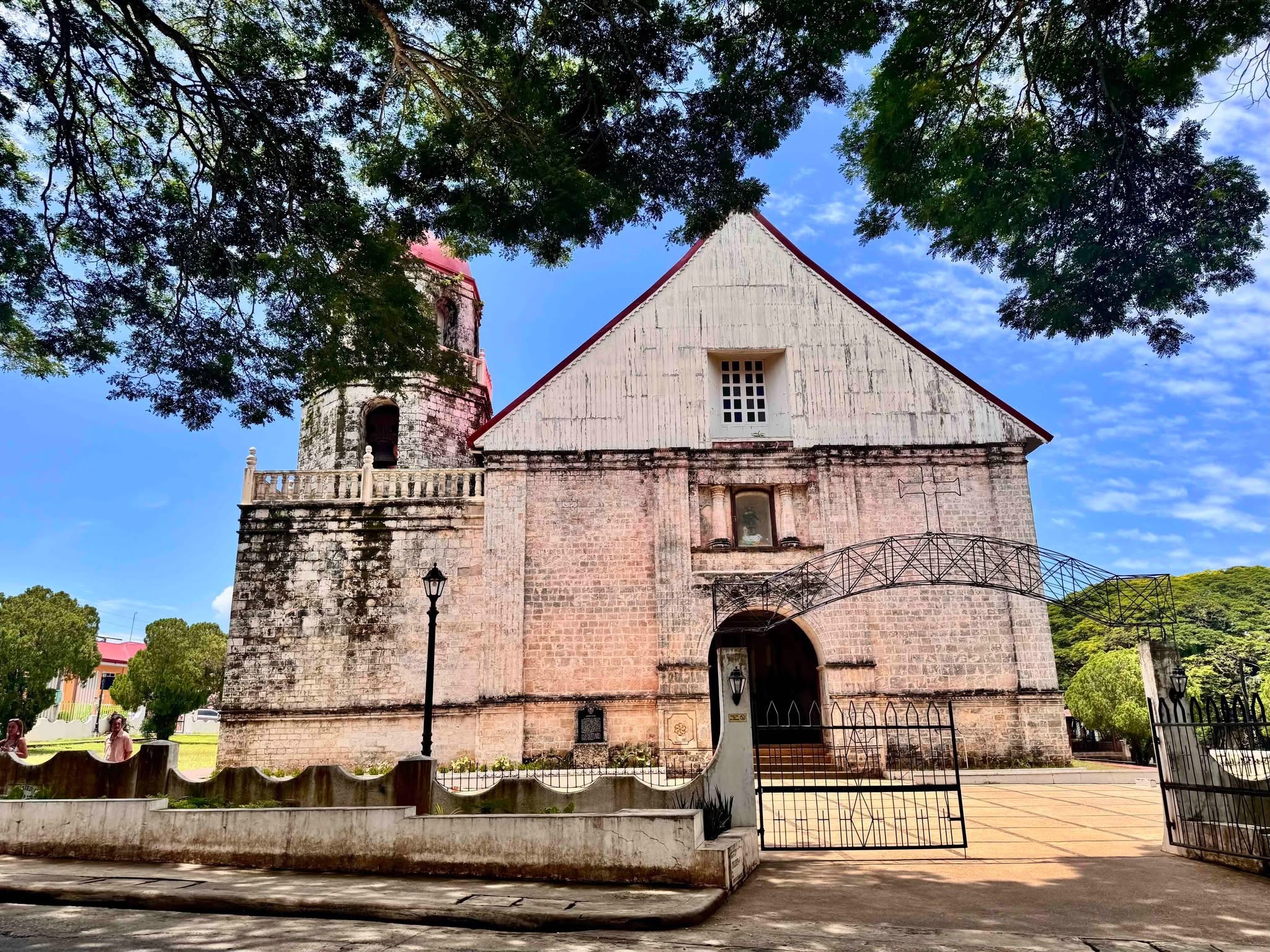
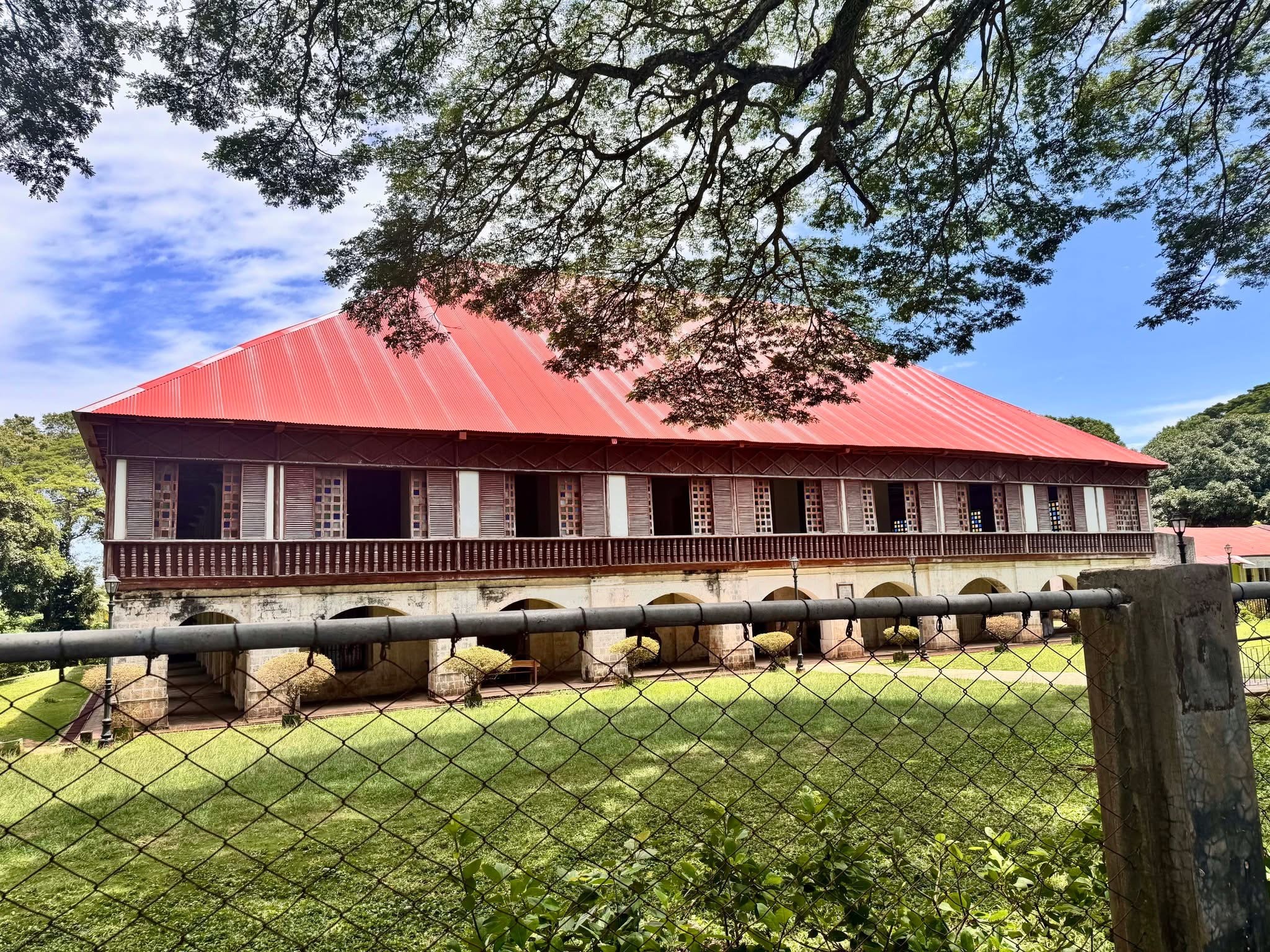
On our way to Salagdoong Beach, we passed by the beautiful Lazi Church. The church, famous for its large convent, was declared a National Cultural Treasure by the National Museum of the Philippines. We didn’t stay long, just stretched our legs, took some quick pics, and moved on.
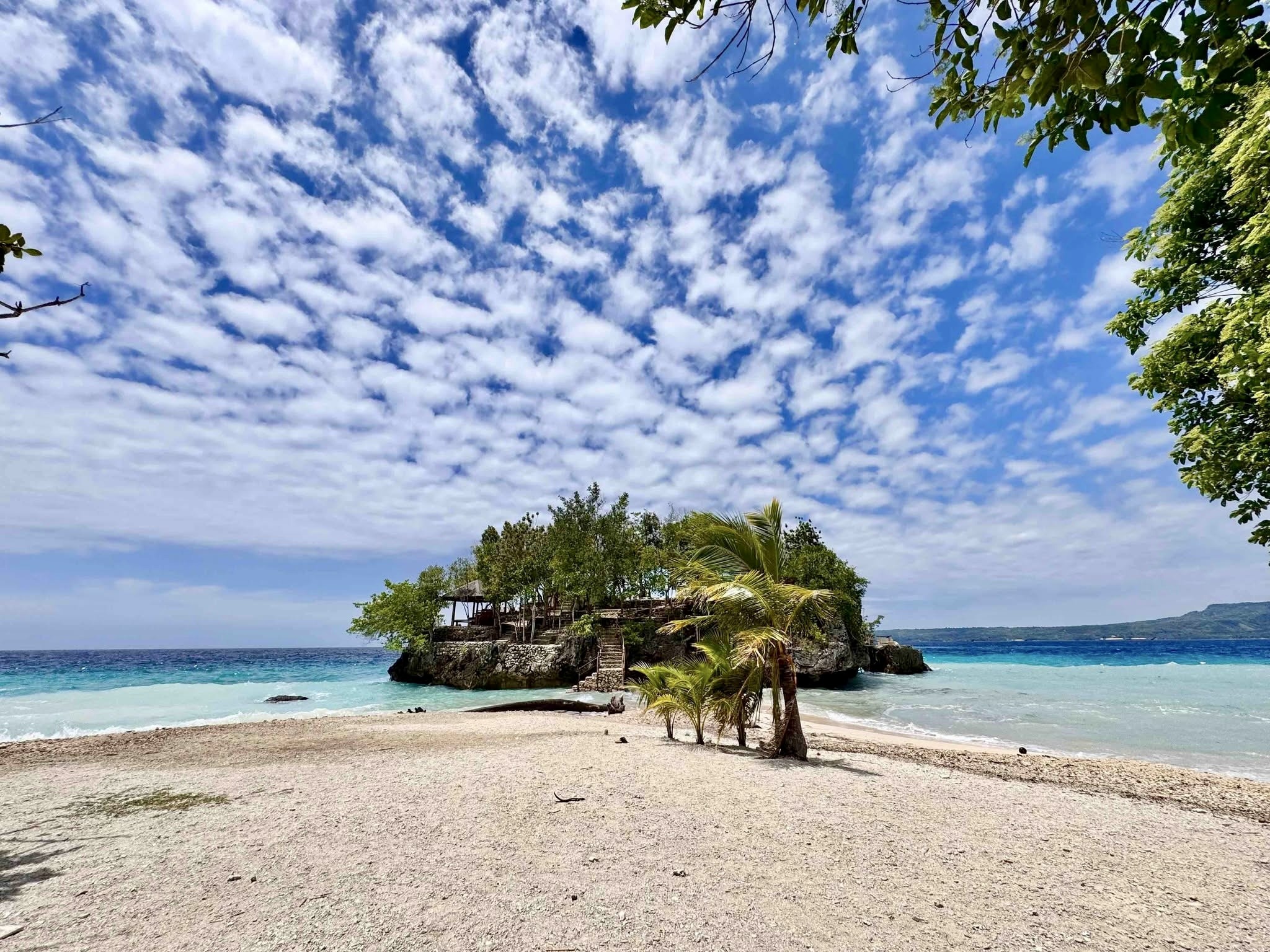
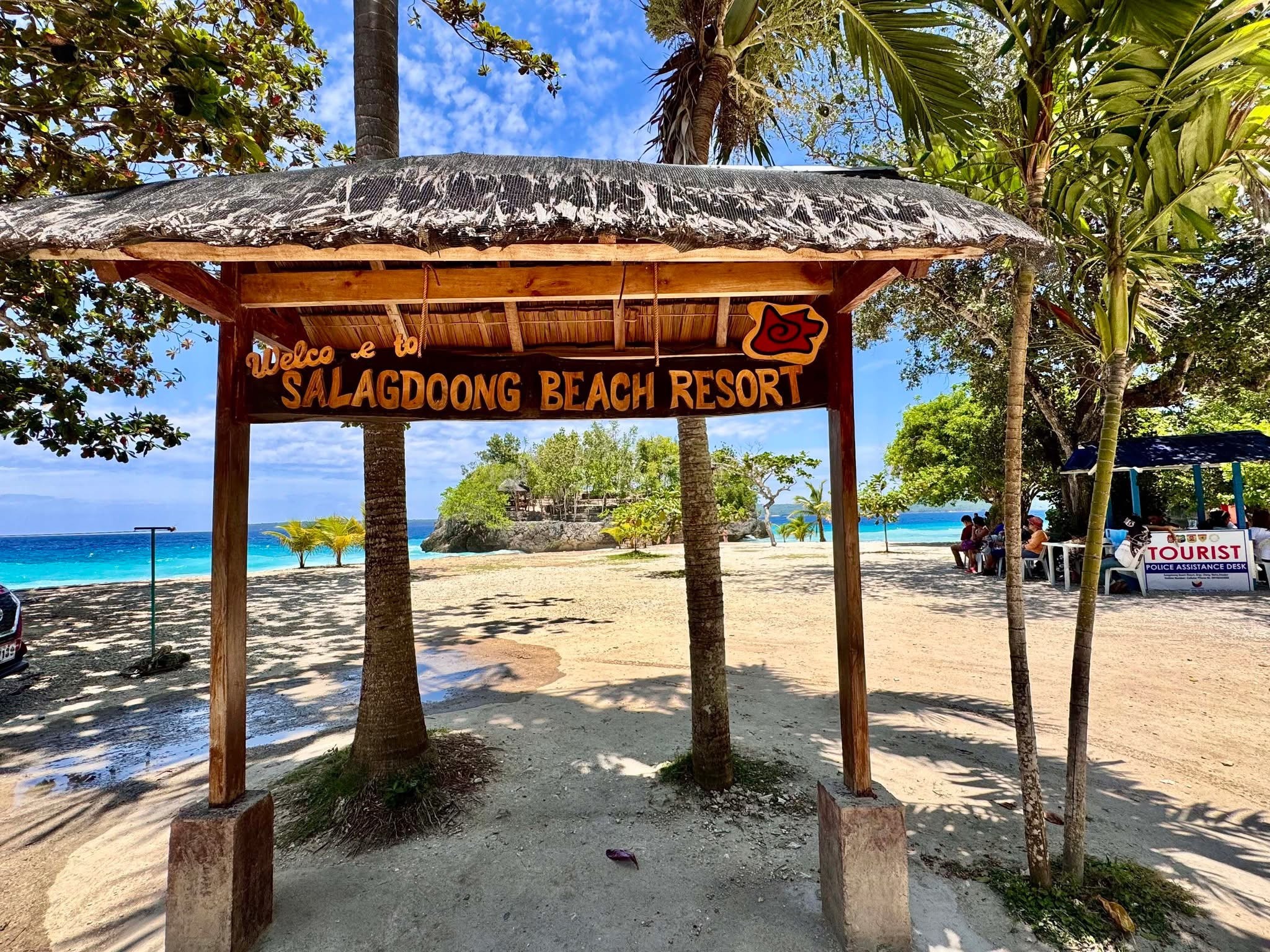
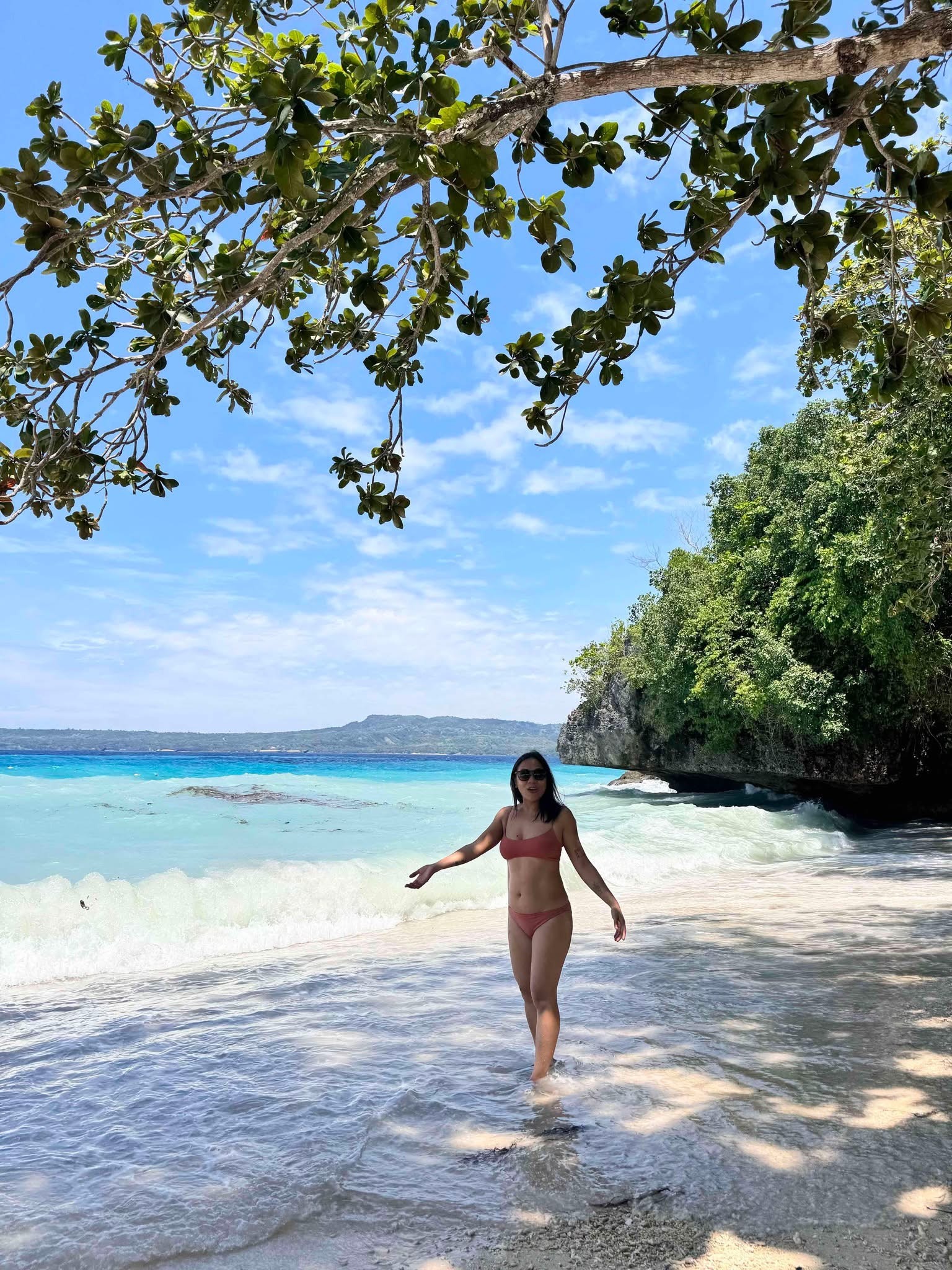
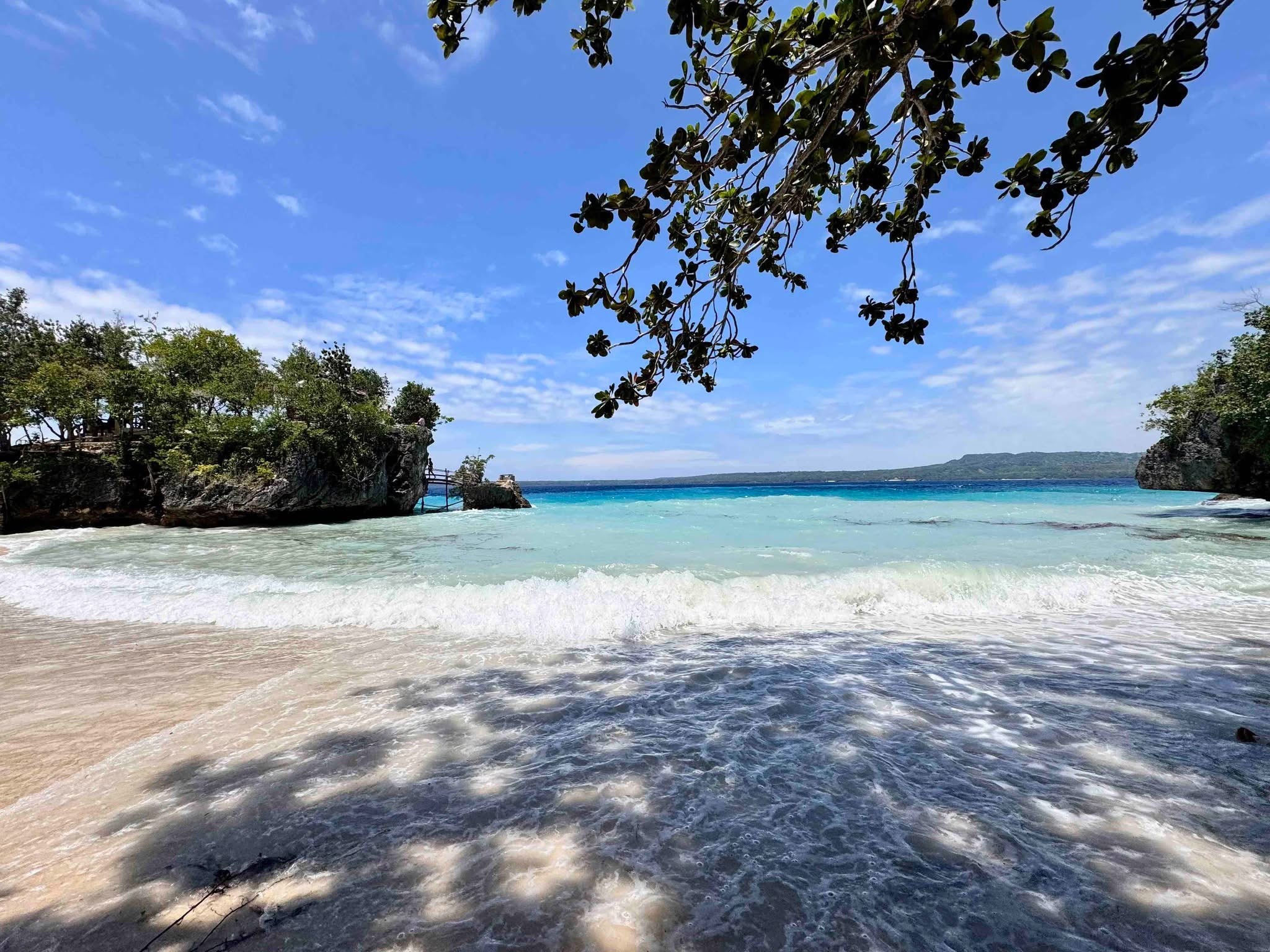
4th Stop: Salagdoong Beach
I was excited to visit Salagdoong because it looked stunning in photos, and it definitely didn’t disappoint in person. However, the current was way too strong for swimming (thanks, typhoon!). We just relaxed, took a quick dip, snapped some photos, and continued on with our journey.
Entrance fee to Salagdoong beach costs P50, while parking fee is around P20-P30.
5th Stop: Balete Tree
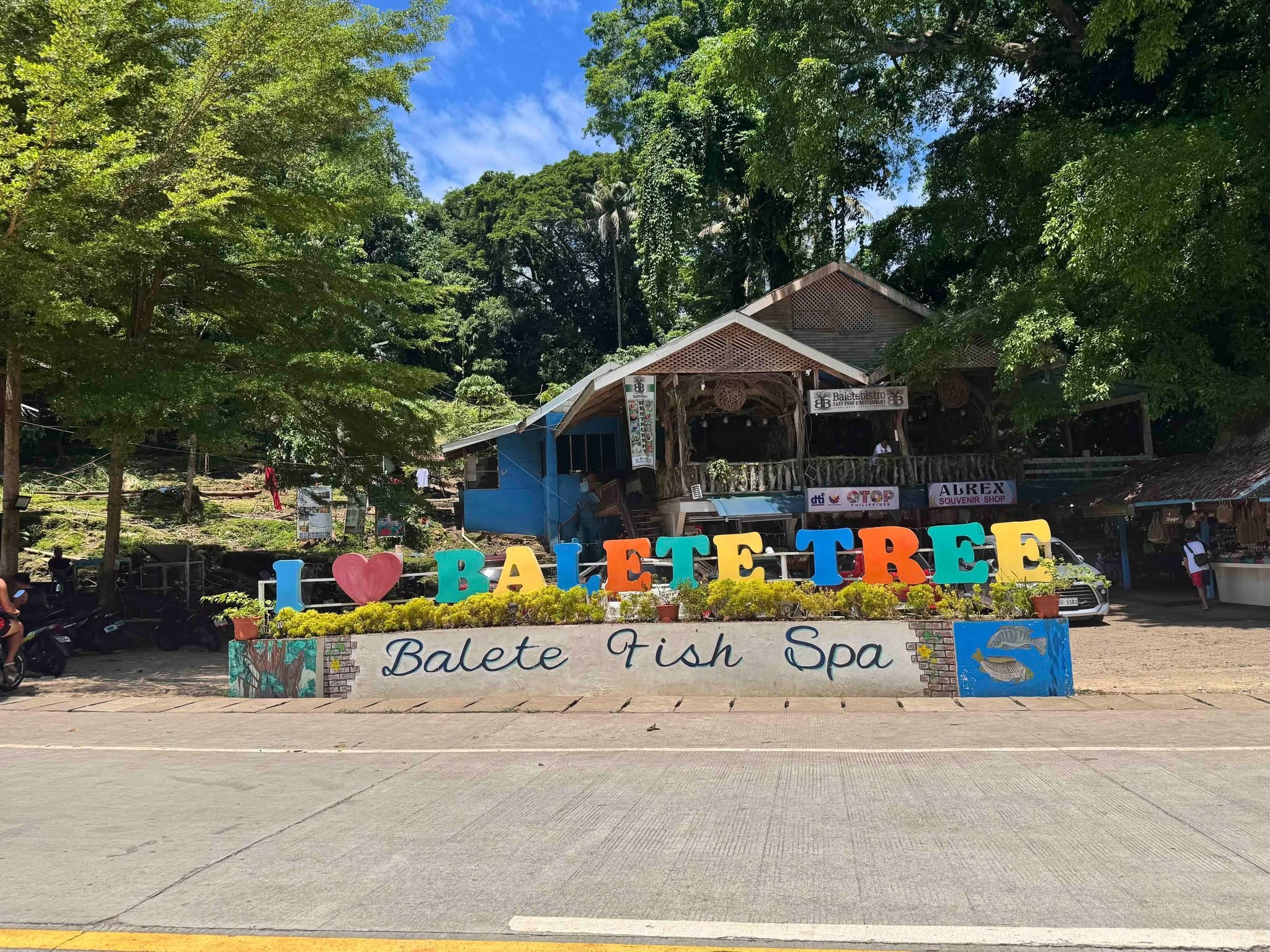
On our way back to San Juan, we passed by the famous 400-year-old Balete Tree. We didn’t stop to explore further, but if you decide to visit, there’s a small pond where you can try a fish spa. You can also grab lunch at a nearby restaurant while you’re there.
6th Stop: Bucafe
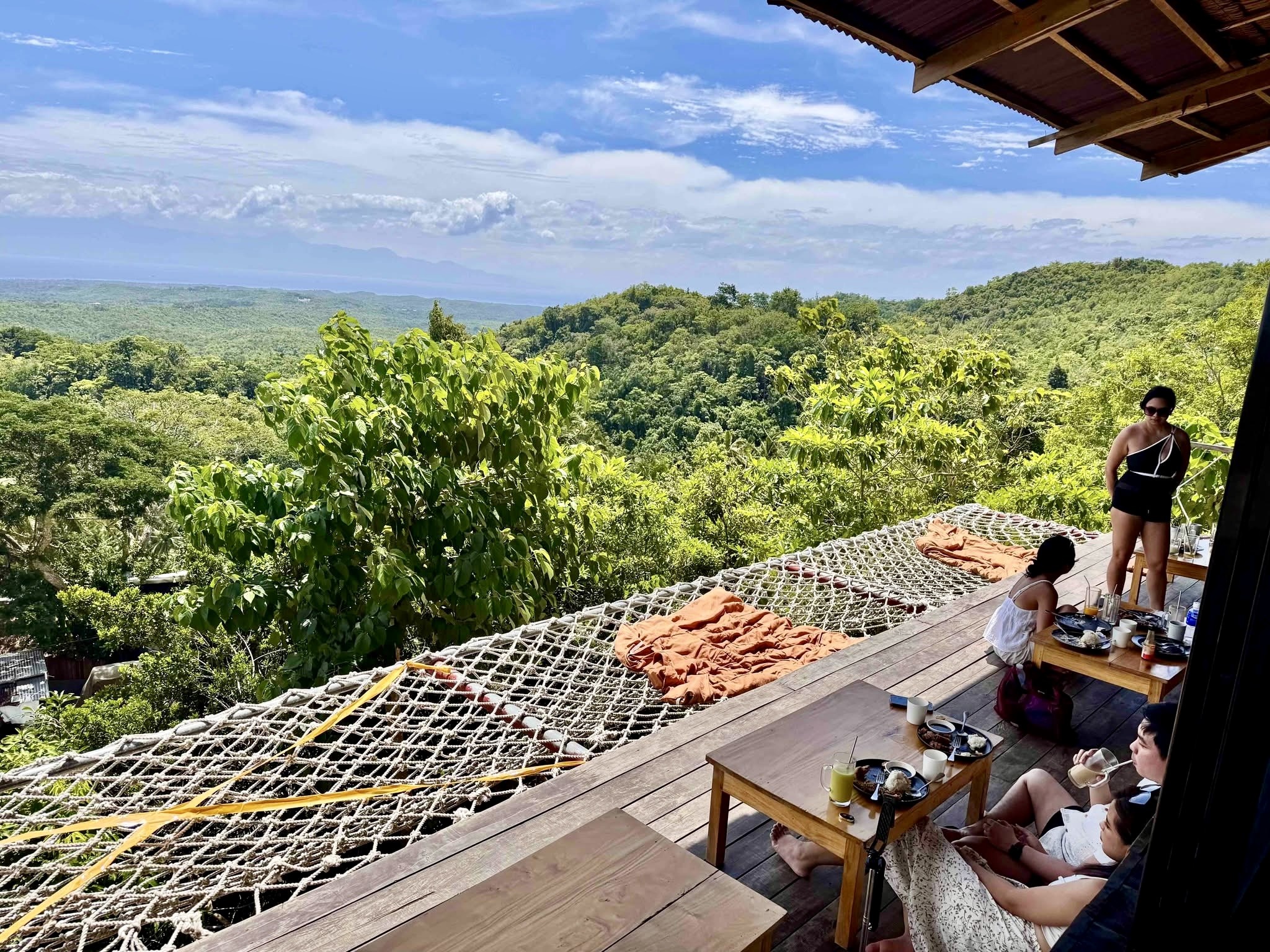
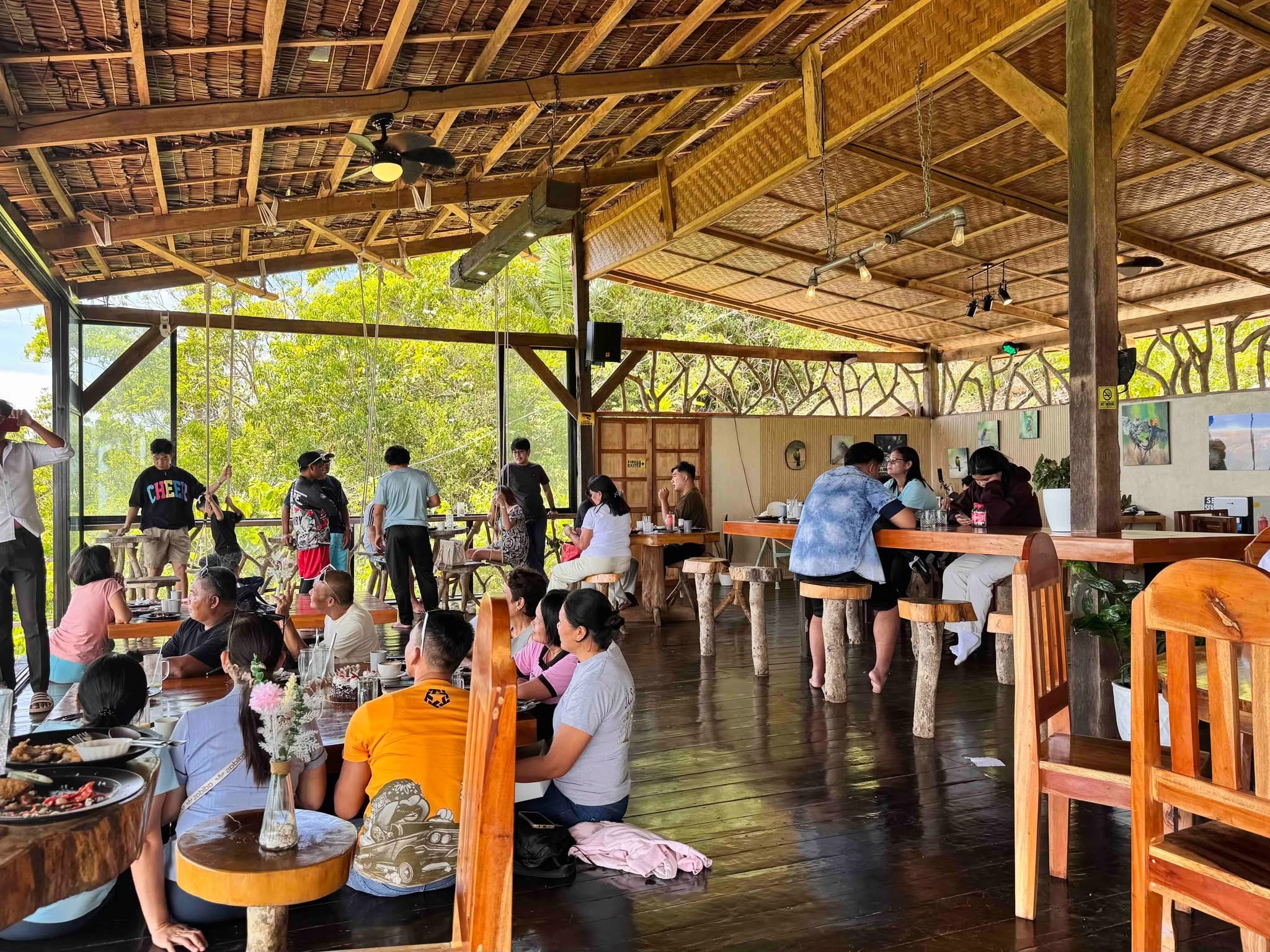
A lot of people end their tours at Bucafe, usually around sunset for the view. I didn’t find the view as spectacular when we visited after lunch, but maybe sunset would’ve made a difference. We did stop for a late lunch, though, and the food was great! It’s up in the mountains, so the drive offers a nice change of scenery, and the place has a really peaceful vibe.
Back to Coco Grove
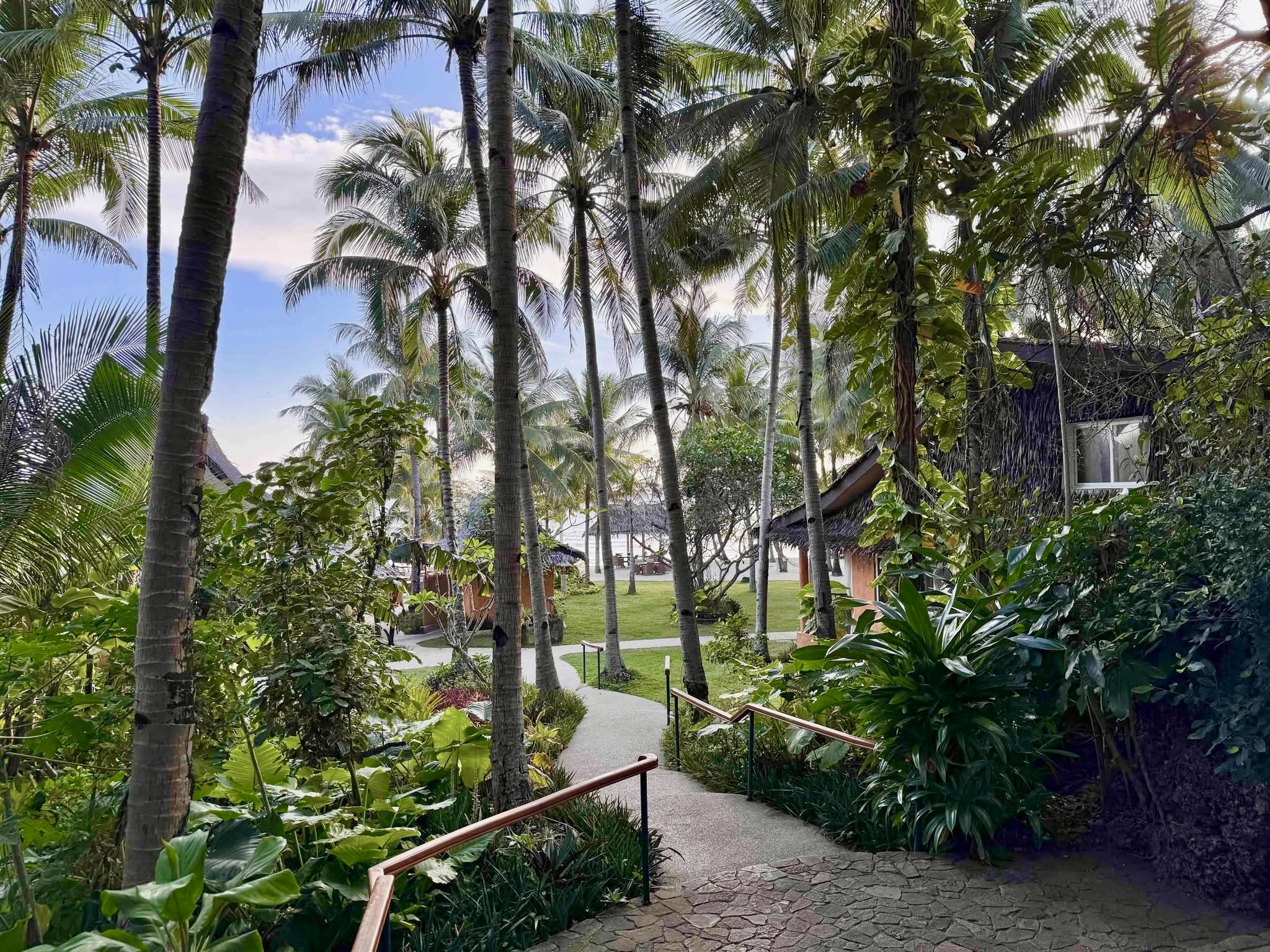
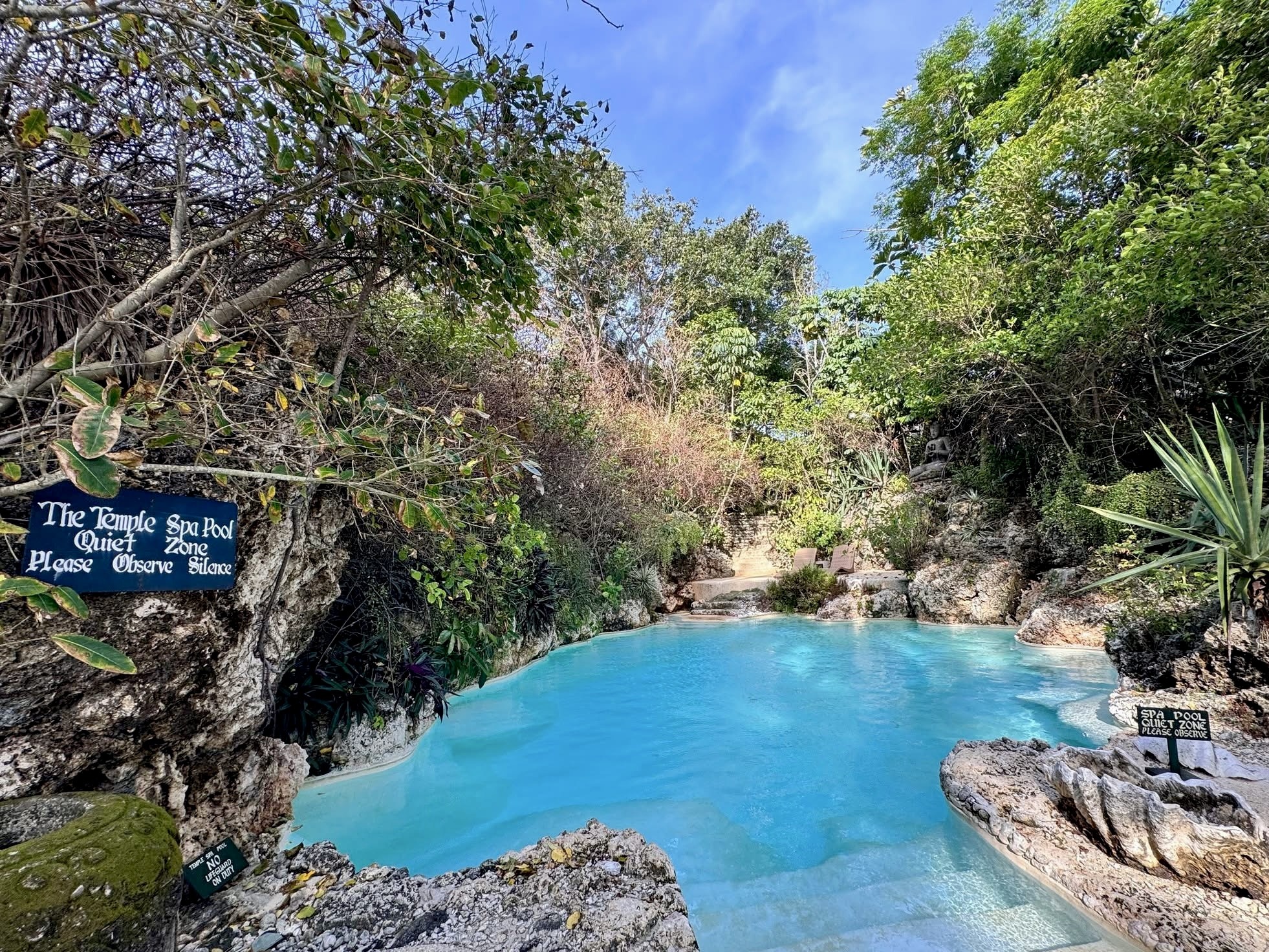
After Bucafe, we headed back to Coco Grove Beach Resort. We paid Kuya Ryan a total of P2,000 for the tour, which covered the tip and our initial downpayment. It had been a long (or maybe not-so-long) day, so we treated ourselves to a relaxing evening massage at the Temple Spa (rate starts at P1200), followed by dinner right by the beach.
My Takeaways
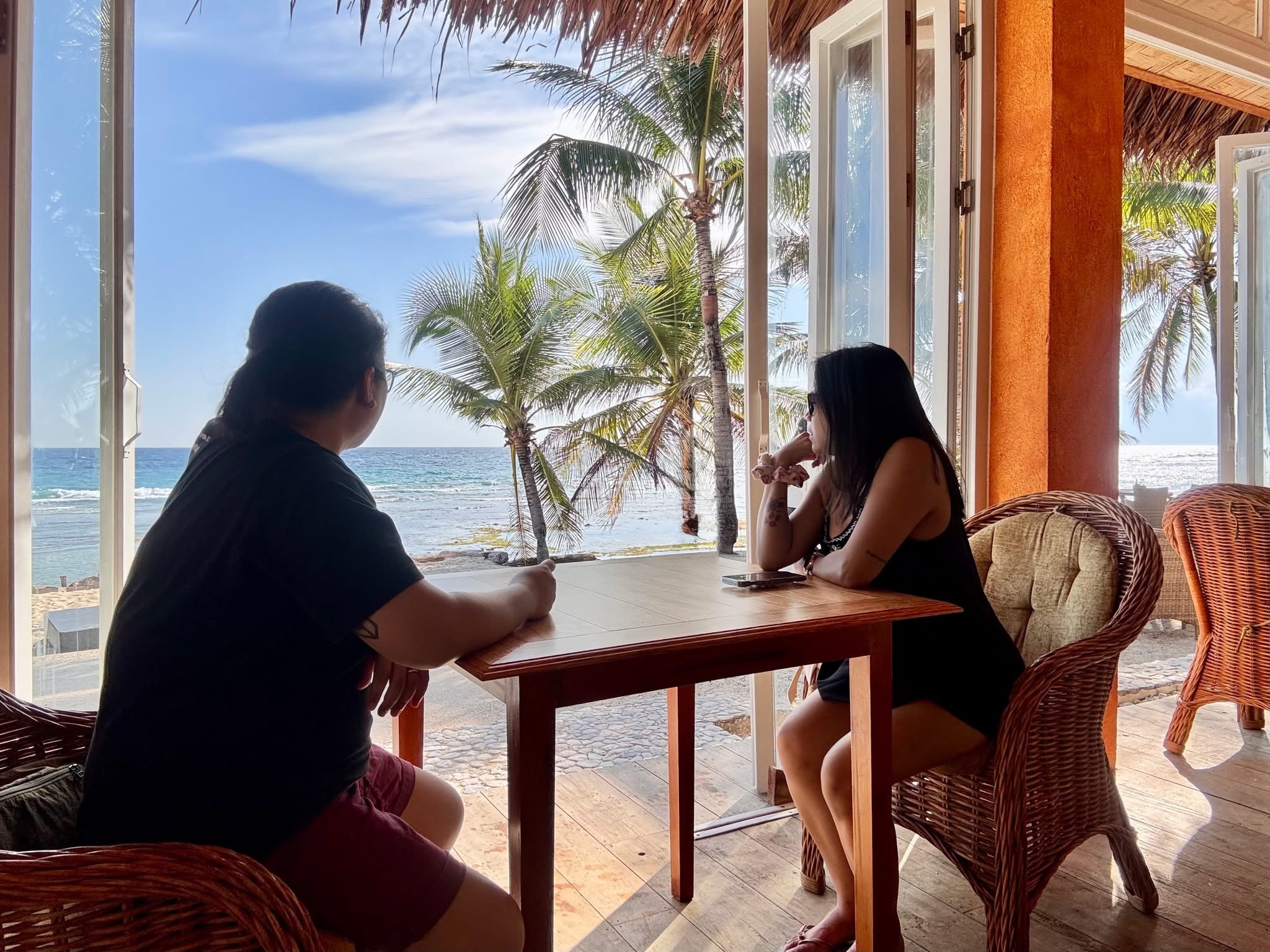
I haven’t fully seen all the best that Siquijor has to offer, but I definitely saw some of the top spots. What I didn’t get to do (but am totally planning for next time) was snorkel around the Tubod Marine Sanctuary—that’s a must for next time!
If you’re a waterfall lover, Cambugahay Falls will definitely win you over. As for cliff diving, not sure if it’s still allowed at Pitogo Cliff, but I’m sure there are other spots in Siquijor for that. I think in Salagdoong Beach.
Food-wise, we didn’t explore as much as I would’ve liked, but Coco Grove and Bucafe were good enough for us. We were too busy soaking in the chill vibes to hunt for more eateries.
And finally, if you’re just looking to relax on the beach and let the world pass by, Siquijor has plenty of options. Just make sure you book a place with a generator, because, again, power outages can be pretty common, and you definitely don’t want that ruining your trip.
CAN’T WAIT TO BE BACK, SIQUIJOR!